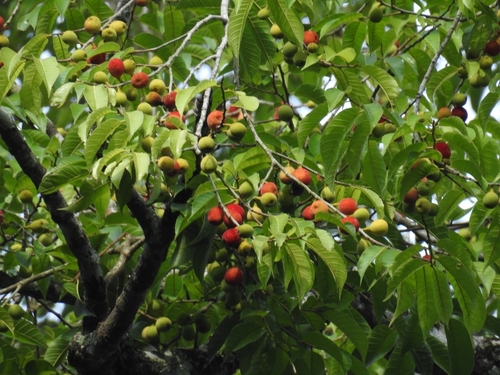
Dorstenia foetida
(Forssk.) Schweinf.
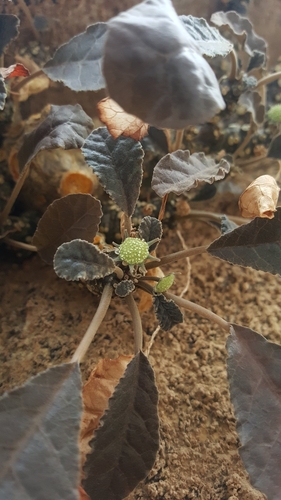
iNaturalist · cc-by-nc-sa
(c) Ateah Alfakih, some rights reserved (CC BY-NC-SA), uploaded by Ateah Alfakih
(c) Ateah Alfakih, some rights reserved (CC BY-NC-SA), uploaded by Ateah Alfakih
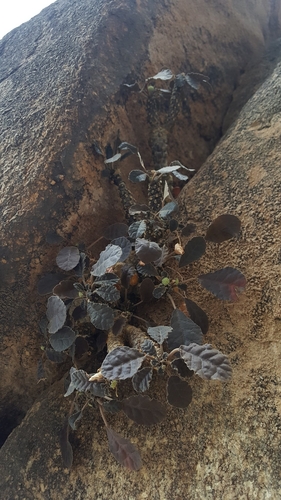
iNaturalist · cc-by-nc-sa
(c) Ateah Alfakih, some rights reserved (CC BY-NC-SA)
(c) Ateah Alfakih, some rights reserved (CC BY-NC-SA)
What to Eat
Edible parts: Stems, Leaves, Flowers
In Oman the tubers of Dorstenia foetida are cooked and eaten.
Where to Find It
It is a Mediterranean plant.
Middle East, Oman, Somalia,
How to Identify
A low succulent herb. The stems are swollen. They are 45 cm long. The leaves are alternate and crowded at the top of the stem in a ring. They are 2-18 cm long by 1-2.5 cm wide. The edges are divided and curl under. There are several male flowers around one female flower. They are sunk into a flat disk like receptacle. The fruit explodes.
Wikipedia
Source ↗Dorstenia foetida, also known as grendelion, is a succulent plant in the genus Dorstenia, which is native to Eastern Africa and Arabia. It is a very variable species with a wide distribution.
Names & Synonyms
Cambar
Dorstenia arabica Hemsl.Dorstenia crispa Engl.Dorstenia crispa var. lanceolata RendleDorstenia foetida subsp. lancifolia (Rendle) FriisDorstenia foetida var. obovata (A. Rich.) Engl.Dorstenia obovata Hochst.
Dorstenia phillipsiae Hook.f.Dorstenia radiata Lam.Korsaria forskalei Steud.Korsaria obovata Schweinf.
References (2)
- Marwah, R. G., et al, 2006, Antioxidant capacity of some edible and wound healing plants in Oman. Journal of Food Chemistry.
- Miller, A. G., Morris, M. & Stuart-Smith, S., 1988, Plants of Dhofar. The Southern Region of Oman, Traditional, Economic and Medicinal Uses. Sultanate of Oman. p 202