Convolvulus althaeoides
L.
Bindweed
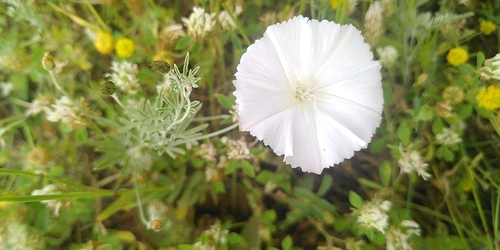
(c) Jean-Marc Vanel, some rights reserved (CC BY-NC)

(c) Manos Christofis, some rights reserved (CC BY-NC)
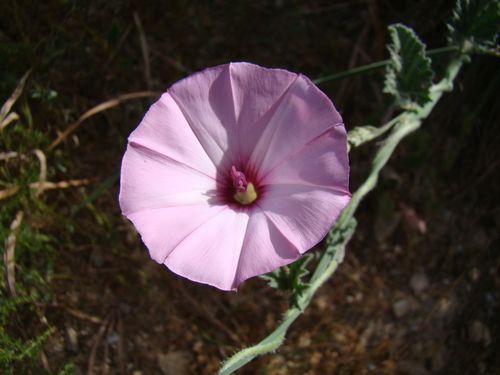
(c) en Tomeu ros roua, dels roues dels damunts, some rights reserved (CC BY-NC)
What to Eat
Edible parts: Flowers
The flowers are eaten raw.
Where to Find It
It will grow in most soils. It needs an open sunny position. It is resistant to frost and drought.
Australia, Cyprus, Mediterranean*,
How to Identify
A vine that keeps growing from year to year. It grows 1 m high. The stem is slender and woody. The leaves have deep lobes arranged like fingers on a hand. They are hairy. The flowers are funnel shaped and pink. They have 5 petals.
How to Grow
Plants are grown by seeds.
Wikipedia
Source ↗Convolvulus althaeoides is a species of morning glory known by the common names mallow bindweed and mallow-leaved bindweed. This flowering plant is native to the Mediterranean Basin, but it is occasionally seen in other areas of similar climate, such as California in the United States, where it has been introduced. This is a climbing perennial plant with solitary flowers on long peduncles. The flower is a funnel-shaped pink bloom three or four centimeters wide. The leaves are deeply divided into narrow, fingerlike lobes.
Names & Synonyms
Afka tis Perdikas
References (2)
- Bodkin, F., 1991, Encyclopedia Botanica. Cornstalk publishing, p 278
- Della, A., et al, 2006, An ethnobotanical survey of wild edible plants of Paphos and Larnaca countryside of Cyprus. J. Ethnobiol. Ethnomed. 2:34


