Rubus hirtus
Waldst. & Kit.
Kupina

Krzysztof Ziarnek, Kenraiz (via Wikimedia Commons)

Екатерина Полякова

(c) Benedict Gagliardi, some rights reserved (CC BY-NC), uploaded by Benedict Gagliardi
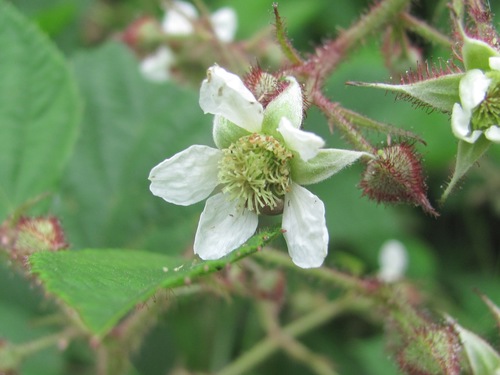
(c) Gennadiy Okatov, some rights reserved (CC BY-NC), uploaded by Gennadiy Okatov
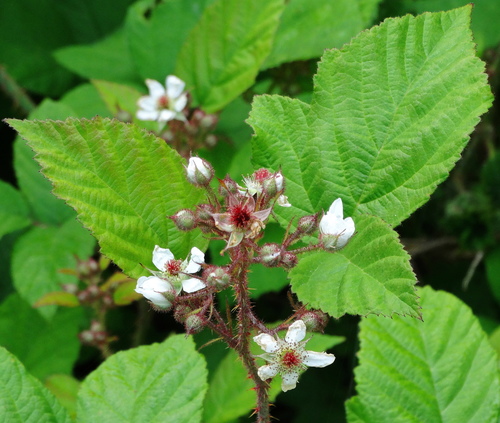
(c) Kostas Zontanos, some rights reserved (CC BY), uploaded by Kostas Zontanos
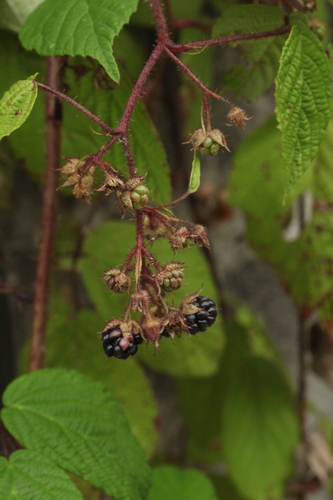
(c) Svetlana Nesterova, some rights reserved (CC BY-NC), uploaded by Svetlana Nesterova
What to Eat
Edible parts: Fruit, Leaves
The fruit are eaten raw or used to make jam. The leaves are dried and brewed as a drink.
Dangerous Lookalikes
This plant can be confused with the following toxic species. Always verify identification carefully before consuming any wild plant.


Red Baneberry: Short herbaceous plant (no thorns), berries on thick red stems, each berry has a single seed, compound sharply-toothed leaves.
Kupina: Thorny woody canes (brambles), aggregate berry made of many drupelets, berries pull easily from receptacle.
Where to Find It
It is a temperate plant.
Albania, Balkans, Bosnia, Croatia, Europe, Mediterranean, Poland, Turkey, Türkiye,
How to Identify
A temperate shrub in the Rosaceae family with edible fruit and leaves suitable for beverages.
Wikipedia
Source ↗Rubus hirtus is a species of flowering plant in the Rubus section (the blackberries) of the genus Rubus, family Rosaceae. It is native to most of southern and central Europe, as well as Belarus, Ukraine, the Caucasus and Turkey. A woodland species, its distribution largely corresponds to that of the beeches Fagus sylvatica and the closely related F. orientalis.
Names & Synonyms
Tunturuk
References (5)
- Ertug, F, Yenen Bitkiler. Resimli Türkiye Florası -I- Flora of Turkey - Ethnobotany supplement
- Łukasz Łuczaj and Wojciech M Szymański, 2007, Wild vascular plants gathered for consumption in the Polish countryside: a review. J Ethnobiol Ethnomedicine. 3: 17
- Pieroni, A. et al, 2014, Resilience at the border: traditional botanical knowledge among Macedonians and Albanian living in Gollobordo, Eastern Albania. Journal of Ethnobiology and Ethnomedicine. 10:31
- Purgar, D. D., et al, 2008, Wild Edible Species of Rubus at Nature Park Mednedvica (NW Croatia). Bulletin UASVM, Agriculture 65(1)/2008
- Redzic, S. J., 2006, Wild Edible Plants and their Traditional Use in the Human Nutrition in Bosnia-Herzegovina. Ecology of Food and Nutrition, 45:189-232
More from Rosaceae


