Aspidosperma quebracho-blanco
Schltdl.
White quebracho
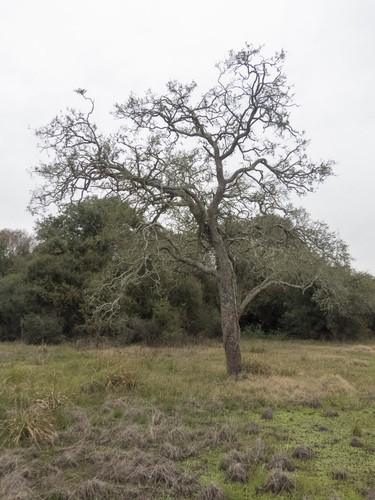
(c) Vinicius Espindola, some rights reserved (CC BY-NC), uploaded by Vinicius Espindola
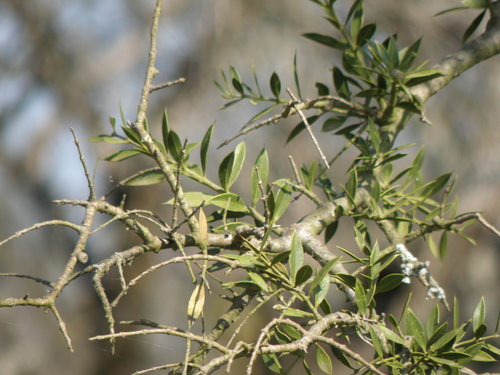
(c) juliansabattini, some rights reserved (CC BY-NC), uploaded by juliansabattini

(c) Norberto Muzzachiodi, some rights reserved (CC BY-NC), uploaded by Norberto Muzzachiodi
What to Eat
Edible parts: Ashes - salt, Fruit
None known
Known Hazards
Where to Find It
It is a temperate plant.
Argentina, Bolivia, Brazil, Paraguay, South America, Uruguay,
How to Identify
A tree. It grows 20 m tall. The broken parts have white latex. The leaves are in rings of three. They are oval and taper to both ends. The fruit are 7-12 cm long by 3-8 cm wide. There are about 15 seeds. These are 5-6 cm long by 3-5 cm wide.
How to Grow
Plants prefer a minimum temperature that does not fall below 15°c. Prefers a well-drained, sandy soil in a sunny position. Found in the wild on saline soils and chalky-clays.
Propagation: Seed - it has a very short viability and so is best sown as soon as ripe. Sow the seed in a nursery seedbed in a lightly shaded position. A germination rate in excess of 70% can be expected, with the seeds sprouting within a few days. Pot the seedlings up into individual containers when they are 4 - 6cm tall.
Medicinal Uses
Antispasmodic. Treats asthma and emphysema. Tonic. Reduces fever. Astringent - it has been used on burns and cuts. Contains yohimbine.
Other Uses
Wood - very hard. Special Uses
Wikipedia
Source ↗Aspidosperma quebracho-blanco, commonly known as Quebracho blanco, kebrako, or white quebracho, is a South American tree species, native to Brazil, northern Argentina, Bolivia, Paraguay, and Uruguay. It must not be confused with other species also known as quebracho, but belonging to the genus Schinopsis.
Names & Synonyms
Arbl de la vaca, Cacha-cacha, Guairovia, Isteenik, Ixiraro, Kebrako, Lapacho, Naawa, Quebracho blanco, Quina, Quina-da-morraria, Willea, Yvyrarp
References (5)
- Arenas, P. and Scarpa, G. F., 2006, Edible wild plants of the Chorote Indians, Gran Chaco, Argentina. Botanical Journal of the Linnean Society. Vol. 153 (1): pp 73-85
- Bortolotto, I. M., et al, 2018, Lista preliminar das plantas alimenticias nativas de Mato Grosso do Sul, Brasil. Iheringia, Serie Botanica, Porto Alegre, 73 (supl.):101-116
- Grandtner, M. M. & Chevrette, J., 2013, Dictionary of Trees, Volume 2: South America: Nomenclature, Taxonomy and Ecology. Academic Press p 48
- Scarpa, G. F., 2009, Wild food plants used by the indigenous peoples of South American Gran Chaco: A general synopsis and intercultural comparison. Journal of Applied Botany and Food Quality 83:90-101
- World Checklist of Useful Plant Species 2020. Royal Botanic Gardens, Kew


