Dipcadi gracillimum
Baker
AsparagaceaeRoots

iNaturalist · cc-by-nc
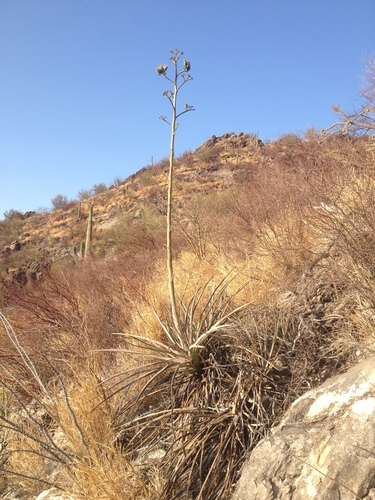
(c) Troos van der Merwe, some rights reserved (CC BY-NC), uploaded by Troos van der Merwe
(c) Troos van der Merwe, some rights reserved (CC BY-NC), uploaded by Troos van der Merwe

iNaturalist · cc-by-nc
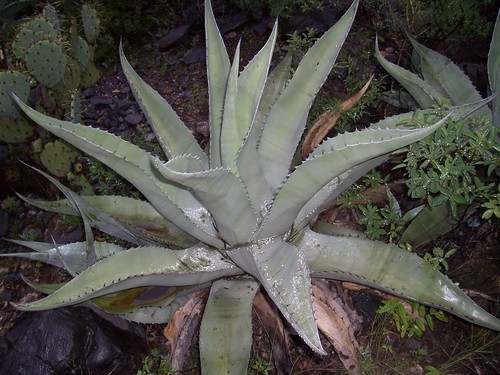
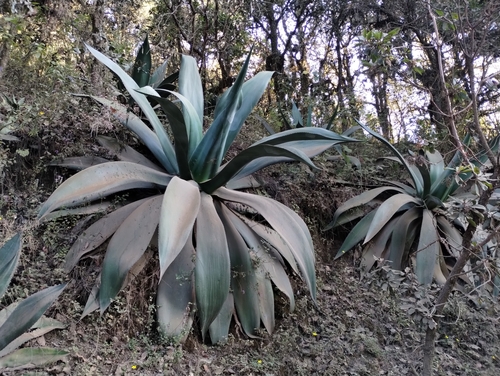
(c) Jane Trembath, some rights reserved (CC BY-NC)
(c) Jane Trembath, some rights reserved (CC BY-NC)
What to Eat
Edible parts: Bulb
The bulbs are edible.
Where to Find It
It is a tropical and subtropical plant. In Southern Africa it grows between 10-2,195 m above sea level.
Africa, Angola, Botswana, Central Africa, East Africa, Eswatini, Namibia, South Africa, Southern Africa, Swaziland, Zimbabwe,
Countries: Angola, Burkina Faso, Burundi, Benin, Botswana, Congo (DRC), Central African Republic, Congo (Republic), Cote d'Ivoire, Cameroon, Cape Verde, Djibouti, Algeria, Egypt, Eritrea, Ethiopia, Gabon, Ghana, Gambia, Guinea, Equatorial Guinea, Guinea-Bissau, Kenya, Comoros, Liberia, Lesotho, Libya, Morocco, Madagascar, Mali, Mauritania, Mauritius, Malawi, Mozambique, Namibia, Niger, Nigeria, Rwanda, Seychelles, Sudan, Sierra Leone, Senegal, Somalia, South Sudan, Sao Tome & Principe, Eswatini, Chad, Togo, Tunisia, Tanzania, Uganda, South Africa, Zambia, Zimbabwe
How to Identify
A bulb plant. It can be 60 cm tall. The bulb is oval and 1.5 cm across. There are 5-6 leaves. These are very slender. The leaves at the base are 25 cm long. The flower stalk is slender and taller. It is 10-15 cm long and has 2-5 flowers in a group.
Notes
It is also put in the family AsparagaceaeThey have also been put in the families Hyacinthaceae and Liliaceae.
Names & Synonyms
Ncamjolo, Umgcobane
Dipcadi polyphyllum BakerDipcadi dipcadioides BakerOrnithogalum dipcadoides Baker (1904)
References (1)
- Long, C., 2005, Swaziland's Flora - siSwati names and Uses http://www.sntc.org.sz/flora/