Capparis canescens
Banks ex DC.
Wild orange, Wild pomegranate, Orangewood, Grey capparis
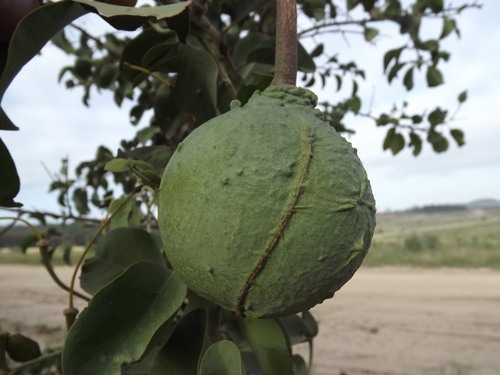
(c) Martin Bennett, some rights reserved (CC BY-NC), uploaded by Martin Bennett
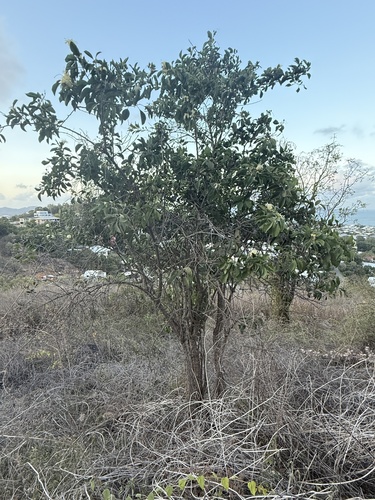
(c) james_peebles, some rights reserved (CC BY-NC)
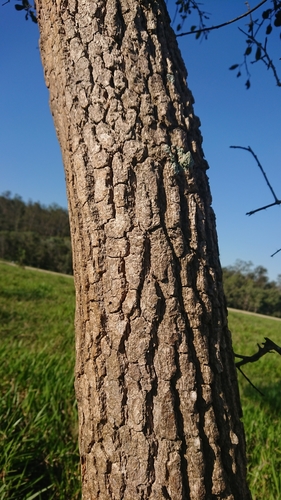
(c) Tina Raveneau, some rights reserved (CC BY-NC), uploaded by Tina Raveneau
What to Eat
Edible parts: Fruit, Seeds
Both the fruit and seeds are edible. Almost-ripe fruit are traditionally picked and buried for a day to ripen, which makes them sweeter before eating.
Where to Find It
A tropical plant. It is sensitive to cold. In north Queensland it grows from sea level to 840 m altitude. It grows on open woodlands and on a range of soils.
Australia*,
How to Identify
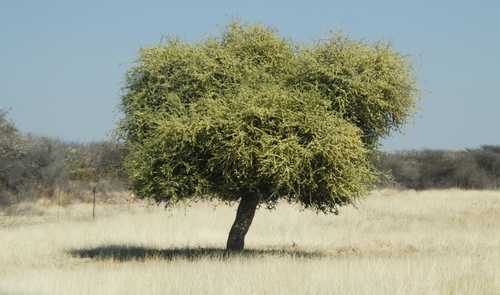
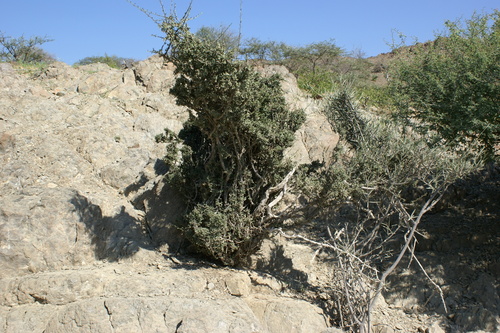
A small tree. It grows up to 4 m high. It spreads 1-2.5 m wide. There are thorns on young plant parts. The leaves have short felty hairs. The leaves are alternate and oval and 10 cm long. The buds have four ridges. The fruit can be smooth or warty. They grow to the size of an orange. They are 2-7 cm across. The fruit and seeds are edible.
Nutrition Score: 54/100
| Part | Moisture | kJ | kcal | Protein | Vit A | Vit C | Iron | Zinc |
|---|---|---|---|---|---|---|---|---|
| Fruit | 70.1 | 485 | 116 | 3.9 | — | 46 | 0.5 | 0.5 |
| Seeds | — | — | — | — | — | — | — | — |
How to Grow
Plants can be grown from fresh seed.
Wikipedia
Source ↗Capparis canescens, also known as wild orange, orangewood, native pomegranate, wild pomegranate or grey capparis, is a species of plant in the caper family. It is native to north-eastern Australia.
Notes
There are about 250 Capparis species. There are about 50 Capparis species in tropical America.
Names & Synonyms
Karn-doo-thal, Mondo, Nipan