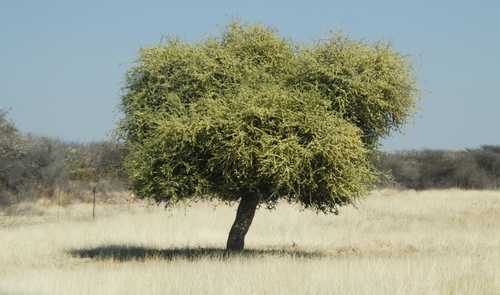
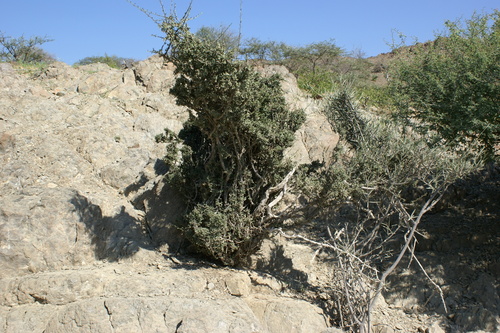
Capparis spinosa
Linn.
Coastal caper, Caper Bush
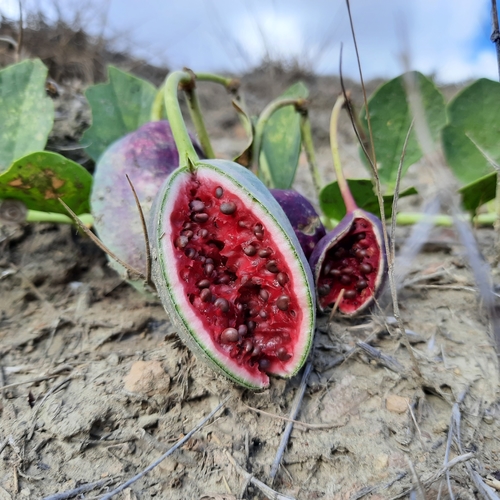
(c) Богдан Погадаев, some rights reserved (CC BY-NC), uploaded by Богдан Погадаев
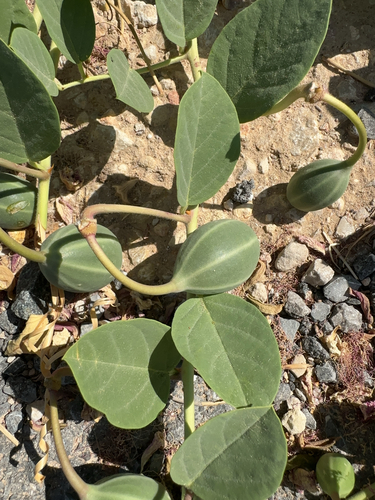
(c) diego1957, some rights reserved (CC BY-NC)
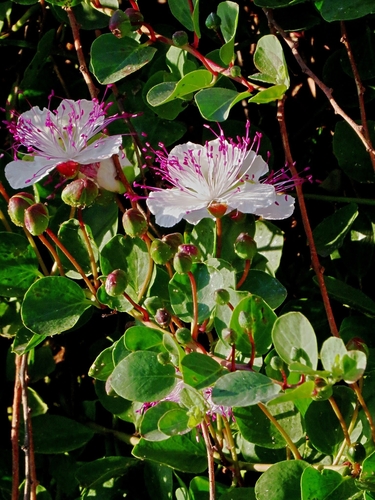
(c) Gianni Del Bufalo bygdb, some rights reserved (CC BY), uploaded by Gianni Del Bufalo bygdb
What to Eat
Edible parts: Flower buds, Fruit, Leaves, Herb, Spice, Vegetable, Seeds - flavouring
The flower buds are the classic caper of commerce — harvested in the early morning, wilted, then pickled in white vinegar and used as a flavouring in sauces, salads, and similar dishes. Young fruits and tender branch tips can also be pickled and used as a condiment. Young shoots are cooked and eaten like asparagus.
Known Hazards
Where to Find It
It is a tropical or Mediterranean plant. It grows along streams and in rocky coastal areas. In Nepal it grows up to 2000 m altitude. In the Indian Himalayas it grows between 3,000-3,700 m above sea level. It suits hardiness zones 9-12.
Afghanistan, Africa, Albania, Algeria, Armenia, Asia, Australia, Azerbaijan, Bahrain, Balkans, Bosnia, Caucasus, Central Africa, Central Asia, Chad, China, Crete, Cyprus, East Africa, Egypt, Europe, France, Georgia, Greece, Himalayas, India, Indochina, Iran, Iraq, Israel, Italy, Jordan, Kazakhstan, Kyrgyzstan, Lebanon, Libya, Macedonia, Madagascar, Malaysia, Mediterranean*, Middle East, Morocco, Myanmar, Nepal, North Africa, Pacific, Pakistan, Palestine, Philippines, Portugal, Qatar, Saudi Arabia, SE Asia, Sicily, Spain, Sudan, Syria, Tajikistan, Thailand, Tunisia, Turkey, Türkiye, Turkmenistan, United Arab Emirates, UAE, Ukraine, Uzbekistan, Vanuatu, Yemen, Yugoslavia,
How to Identify
A small dense shrub. It grows 1-2 m high. The branches are zigzag and spiny. The thorns are straight. The leaves are rounded and thick. They are dull green and 2-4 cm across. They are covered with a white covering. The flowers are in the axils of leaves. The flowers are white. They have 3 petals. They are about 6 cm across. The fruit is a round berry. It is about 3 cm long. It bursts open when ripe.
Nutrition Score: 48/100
| Part | Moisture | kJ | kcal | Protein | Vit A | Vit C | Iron | Zinc |
|---|---|---|---|---|---|---|---|---|
| Fruit | 79.6 | 379 | 91 | 4.6 | — | 23 | 0.9 | 0.4 |
| Leaves-dry wt | — | — | 17.9 | — | — | 72 | — | — |
| Leaves | — | — | — | — | — | — | — | — |
| Sprouts | — | — | — | — | — | — | — | — |
How to Grow
Requires a hot, well-drained dry position in full sun. Plants are tolerant of drought. Tolerates a pH in the range 6.3 to 8.3. This species is not hardy in the colder areas of the country, it tolerates temperatures down to between -5 and -10°c. A perennial species, this plant produces annual stems from a woody base. The flowers open in the early morning and fade by midday. Capers are often cultivated in tropical and sub-tropical zones for their aromatic flower buds, which are used as a condiment, they are also frequently gathered from the wild. There are some named varieties, the most commonly cultivated form tends to be the spineless C. spinosa inermis. Common caper plants are relatively slow to establish but can grow moderately once established, reaching heights of about 1 meter (3 feet) and spreading outwards as a bushy shrub. Capers are usually harvested in late spring to early summer when the flower buds are still immature and unopened. Capparis spinosa flowers primarily from late spring to early summer.
Propagation: Seed is best sown as soon as it is ripe in a greenhouse. Prick seedlings out into individual pots of well-drained soil when large enough to handle. Grow young plants through at least their first winter under glass and plant out in late spring or early summer. Cuttings of half-ripe wood can be taken in July or August and rooted in sand in a cold frame.
Medicinal Uses
The root bark is analgesic, anthelmintic, antihaemorrhoidal, aperient, deobstruent, depurative, diuretic, emmenagogue, expectorant, tonic, and vasoconstrictive. Internally it is used to treat gastrointestinal infections, diarrhoea, gout, and rheumatism. Externally it is applied to skin conditions, capillary weakness, and easy bruising. The bark is harvested in autumn and dried for later use. The stem bark is bitter and diuretic, and taken before meals it stimulates the appetite. The unopened flower buds are laxative, used internally for coughs and externally to treat eye infections. The buds are a rich source of aldose-reductase inhibitors, compounds shown to be effective in preventing cataract formation. Correctly prepared pickled buds are said to ease stomach pain. A decoction of the plant is used to treat vaginal thrush. Bruised leaves are applied as a poultice for gout.
Other Uses
An extract of the root is used as a cosmetic, particularly for treating rose-coloured rashes and capillary weakness. Capers are often used as a drought-resistant ground cover in arid and semi-arid areas, helping to improve soil structure and prevent erosion. The flowers are rich in nectar and pollen and attract pollinators including bees. The fruits (caper berries) provide food for birds, and the plant's low-growing, sprawling habit offers some shelter for small animals and insects. The dense sprawling growth can also provide shelter for invertebrates.
Wikipedia
Source ↗Evergreen shrub reaching 1 m tall by 2 m wide, growing at fast rate. Hardy to UK zone 8. Year-round foliage. Hermaphrodite and self-fertile. Attracts wildlife. Grows in light, medium, or heavy well-drained soils with mildly acid to basic pH; tolerates very alkaline soils. Cannot grow in shade. Tolerates both dry and moist conditions and drought.
Production
The capers need to be harvested in the early morning, before sunrise. They are then allowed to wilt for a day. These are then put in salted wine vinegar to pickle.
Other Information
It is a commercially cultivated vegetable. It is sold in local markets.
Notes
There are about 250 Capparis species. There are about 50 Capparis species in tropical America.
Names & Synonyms
Alcaparra, Alcaparras, Alcaparro, Azaf, Baganchuwa, Bagh mukhe, Bagh mukwa, Barar, Cappero peloso, Cappero, Capre, Capres, Caprier, Chjapparini, Ci shan gan, Dabayee, Dikenli gebere, Flinders-rose, Gabbar, Gebere, Kabar, Kabbar, Kabra, Kakri, Kalavri, Kanap, Kapar, Kapari, Kapernstrauch, Kaur, Kebbar, Keepaa, Khawarg, Kiari, Kokilakshamu, Kywe-hna-kaung-gyeik, Lasaf, Melada, Mullukattari, Native Caper, Otsi dzmeruk, Panetro, Shefallah, Tapenera, Tapeno, Tapera, Taylalout, Tzalaph
References (102)
- Ali-Shtayeh, M. S., et al, 2008, Traditional knowledge of wild edible plants used in Palestine (Northern West Bank): A comparative study. J Ethnobiol Ethnomed. 4: 13
- Al-Sodany, Y. M., et al, 2013, Medicinal Plants in Saudi Arabia: I. Sarrwat Mountains at Taif, KSA. Academic Journal of Plant Sciences 6 (4): 134-145
- Ambasta S.P. (Ed.), 2000, The Useful Plants of India. CSIR India. p 102
- Anderson, E. F., 1993, Plants and people of the Golden Triangle. Dioscorides Press. p 205
- Arora, R. K., 2014, Diversity in Underutilized Plant Species - An Asia-Pacific Perspective. Bioversity International. p 60
- Battacharyya, A., 1991, Ethnobotanical Observations in the Ladakh Region of Northern Jammu and Kashmir State, India. Economic Botany, Vol. 45, No. 3, pp. 305-308
- Bidak, L. M., et al, 2015, Goods and services provided by native plants in desert ecosystems: Examples from the northwestern coastal desert of Egypt. Global Ecology and Conservation 3 (2015) 433–447
- Bianchini, F., Corbetta, F., and Pistoia, M., 1975, Fruits of the Earth. Cassell. p 208
- Bircher, A. G. & Bircher, W. H., 2000, Encyclopedia of Fruit Trees and Edible Flowering Plants in Egypt and the Subtropics. AUC Press. p 81
- Biscotti, N. et al, 2018, The traditional food use of wild vegetables in Apulia (Italy) in the light of Italian ethnobotanical literature. Italian Botanist 5:1-24
- Biscotti, N. & Pieroni, A., 2015, The hidden Mediterranean diet: wild vegetables traditionally gathered and consumed in the Gargano area, Apulia, SE Italy. Acta Societatis Botanicorum Poloniae 84 (3): 327-338
- Blamey, M and Grey-Wilson, C., 2005, Wild flowers of the Mediterranean. A & C Black London. p 59
- Bodkin, F., 1991, Encyclopedia Botanica. Cornstalk publishing, p 211
- Boesi, A., 2014, Traditional knowledge of wild food plants in a few Tibetan communities. Journal of Ethnobiology and Ethnomedicine 10:75
- Brown, D., 2002, The Royal Horticultural Society encyclopedia of Herbs and their uses. DK Books. p 153
- Burkill, H. M., 1985, The useful plants of west tropical Africa, Vol. 1. Kew.
- Burkill, I.H., 1966, A Dictionary of the Economic Products of the Malay Peninsula. Ministry of Agriculture and Cooperatives, Kuala Lumpur, Malaysia. Vol 1 (A-H) p 448
- Cheifetz, A., (ed), 1999, 500 popular vegetables, herbs, fruits and nuts for Australian Gardeners. Random House p 120
- Ciftcioglu, C. G., 2015, Sustainable wild-collection of medicinal and edible plants in Lefke region of North Cyprus. Agroforest Syst. Springer
- Davis, S.D., Heywood, V.H., & Hamilton, A.C. (eds), 1994, Centres of plant Diversity. WWF. Vol 2. p 340
- Cribb, A.B. & J.W., 1976, Wild Food in Australia, Fontana. p 24
- Cundall, P., (ed.), 2004, Gardening Australia: flora: the gardener's bible. ABC Books. p 326
- Della, A., et al, 2006, An ethnobotanical survey of wild edible plants of Paphos and Larnaca countryside of Cyprus. J. Ethnobiol. Ethnomed. 2:34
- Dobriyal, M. J. R. & Dobriyal, R., 2014, Non Wood Forest Produce an Option for Ethnic Food and Nutritional Security in India. Int. J. of Usuf. Mngt. 15(1):17-37
- Dogan, Y., et al, 2004, The Use of Wild Edible Plants in Western and Central Anatolia (Turkey). Economic Botany 58(4) pp. 684-690 (Also as Capparis ovata)
- Dorjey, K., et al, 2012, Ethnobotanical observations in Trans-Himalayan Region of Ladakh. Journal of Plant Development Sciences Vol. 4 (4): 459-464.
- Dorjey, K., 2015, Exploration of Plant based Traditional Knowledge from Sham region of Ladakh (J. & K.), India. Journal of Plant Development Sciences Vol. 7 (5) : 429-433.
- Ertug, F, Yenen Bitkiler. Resimli Türkiye Florası -I- Flora of Turkey - Ethnobotany supplement
- Esperanca, M. J., 1988. Surviving in the wild. A glance at the wild plants and their uses. Vol. 1. p 180
- Etherington, K., & Imwold, D., (Eds), 2001, Botanica's Trees & Shrubs. The illustrated A-Z of over 8500 trees and shrubs. Random House, Australia. p 180
- Everest, A. & Ozturk, E., 2005, Focusing on the ethnobotanical uses of plants in Mersin and Adana provinces (Turkey). Journal of Ethnobiology and Ethnomedicine 1:6
- Facciola, S., 1998, Cornucopia 2: a Source Book of Edible Plants. Kampong Publications, p 71
- Faran, M. 2014, Capparis spinosa - The PLant on the Wall, in Z. Yaniv, N. Dudai (eds.), Medicinal and Aromatic Plants of the Middle-East, Springer
- Flora of Pakistan. www.eFlora.org
- Gautam, R. S., et al, 2020, Wild Edible Fruits of Nepal. Int. J. Appl. Sci. Biotechnol. Vol 8(3): 289-304
- Gautam, R. S., et al, 2022, Ethnobotanical Review of Wild Edible Plants of Nepal. Journal of Natural History Museum Volume 32, 2021-22 p 109
- Geraci, A., et al, 2018, The wild taxa utilized as vegetables in Sicily (Italy): a traditional component of the Mediterranean diet. Journal of Ethnobiology and Ethnomedicine (2018) 14:14
- Ghanimi, R., et al, 2022, Ethnobotanical study on wild edible plants traditionally used by Messiwa people, Morocco. Journal of Ethnobiology and Ethnomedicine. 18:16
- Gurdal, B. & Kultur, S., 2014, The edible and miscellaneous useful plants in Marmaris (Southwest Turkey). İstanbul Ecz. Fak. Derg. / J. Fac. Pharm. Istanbul 44(1) 2014 pp.69-78
- Hadjichambis, A. C., et al, 2007, Wild and semi-domesticated food plant consumption in seven circum-Mediterranean areas. International Journal of Food Sciences and Nutrition. 2007, 1-32.
- Hardwick, G., 2001, Economically Useful Plants for Northern Australia: Master Species List. Crusader eBooks.
- Hedrick, U.P., 1919, (Ed.), Sturtevant's edible plants of the world. p 151
- Hemphill, I, 2002, Spice Notes. Macmillan. p 98
- Heywood, V. H. & Zohary, D.,1995, A Catalogue of the Wild Relatives of Cultivated Plants Native to Europe. Flora Mediterranea 5 - 1995, p 388
- Heywood, V.H., Brummitt, R.K., Culham, A., and Seberg, O. 2007, Flowering Plant Families of the World. Royal Botanical Gardens, Kew. p 85
- Hibbert, M., 2002, The Aussie Plant Finder 2002, Florilegium. p 59
- Hu, Shiu-ying, 2005, Food Plants of China. The Chinese University Press. p 423
- INFOODS:FAO/INFOODS Databases
- Jadhav, R., et al, 2015, Forest Foods of Northern Western Ghats: Mode of Consumption, Nutrition and Availability. Asian Agri-History Vol. 19, No. 4: 293-317
- Jadhav, V. D. et al, 2011, Documentation and ethnobotanical survey of wild edible plants from Kolhapur district. Recent Research in Science and Technology. 3(12): 58-63
- Joshi, N., et al, 2007, Traditional neglected vegetables of Nepal: Their sustainable utilization for meeting human needs. Tropentag 2007. Conference on International Agricultural Research for Development.
- Kargioglu, M. et al, 2010, Traditional Uses of Wild Plants in the Middle Aegean Region. Human Ecology 38:429-450 (Also as Capparis ovata)
- Kaul, M.K. et al, 1985, Ethno-botanic studies in North-West and Trans-Himalaya - contribution to the wild food plants of Ladakh. J.Econo. Tax. Bot. Vol. 6 No. 3 pp 523-527
- Kays, S. J., and Dias, J. C. S., 1995, Common Names of Commercially Cultivated Vegetables of the World in 15 languages. Economic Botany, Vol. 49, No. 2, pp. 115-152
- Khan, D. & Shaukat, S.S., 2006, The Fruits of Pakistan: Diversity, Distribution, Trends of Production and Use. Int. J. Biol. Biotech., 3(3):463-499
- Khan, M., et al, 2014, An Ethnobotanical Survey of Medicinal and Other Useful Plants of Khattak Tribe in Tehsil Karak, Khyber Pakhtunkhawa, Pakistan. Medicinal Plant Research 2014, Vol.4, No.8, 61-74
- Kiple, K.F. & Ornelas, K.C., (eds), 2000, The Cambridge World History of Food. CUP p 432, 1744
- Kybal, J., 1980, Herbs and Spices, A Hamlyn Colour Guide, Hamlyn Sydney p 62
- Lentini, F. and Venza, F., 2007, Wild food plants of popular use in Sicily. J Ethnobiol Ethnomedicine. 3: 15 (As Capparis ovata)
- Licata, M., et al, 2016, A survey of wild plant species for food use in Sicily (Italy) – results of a 3-year study in four Regional Parks. Journal of Ethnobiology and Ethnomedicine 12:12
- Lord, E.E., & Willis, J.H., 1999, Shrubs and Trees for Australian gardens. Lothian. p 156
- Mahklouf, M. H., 2019, Ethnobotanical Study of Edible Wild Plants in Libya. European Journal of Ecology. 5(2): 30-40
- Manandhar, N.P., 2002, Plants and People of Nepal. Timber Press. Portland, Oregon. p 132
- Mulherin, J., 1994, Spices and natural flavourings. Tiger Books, London. p 29
- Murugan, Pal M., et al, 2010, Phytofoods of Nubra valley, Ladakh - The cold desert. Indian Journal of Traditional Knowledge. Vol. 9(2): 303-308
- Nanagulyan, S., et al, 2020, Wild plants and fungi sold in the markets of Yerevan (Armenia). Journal of Ethnobiology and Ethnomedicine 16:26
- Nassif, F., & Tanji, A., 2013, Gathered food plants in Morocco: The long forgotten species in Ethnobotanical Research. Life Science Leaflets 3:17-54
- Oran, S. A. S., 2015, Selected wild plant species with exotic flowers from Jordan. International Journal of Bioversity and Conservation. Vol. 7(5), pp 308-320
- Paczkowska, G. & Chapman, A.R., 2000, The Western Australian Flora. A Descriptive Catalogue. Western Australian Herbarium. p 194
- Pasta, S., et al, 2020, An Updated Checklist of the Sicilian Native Edible Plants: Preserving the Traditional Ecological Knowledge of Century-Old Agro-Pastoral Landscapes. Frontiers in Plant Science. Volume 11|Article 388
- Peekel, P.G., 1984, (Translation E.E.Henty), Flora of the Bismarck Archipelago for Naturalists, Division of Botany, Lae, PNG. p 196, 197
- Perry, F., and Hay, R., 1982, Guide to Tropical and Subtropical Plants. Sun Books p 48
- Peter, K. V. (Ed.), 2004, Handbook of Herbs and Spices Vol. 2 Woodhead Publishing and CRC Press. p
- Phillips, D.C., 1988, Wild Flowers of Bahrain. A Field Guide to Herbs, Shrubs, and Trees. Privately published. p 58
- Plants for a Future database, The Field, Penpol, Lostwithiel, Cornwall, PL22 0NG, UK. http://www.scs.leeds.ac.uk/pfaf/
- Polunin, O., & Stainton, A., 2006, Flowers of the Himalaya, Oxford India Paperbacks. p 44
- PROSEA (Plant Resources of South East Asia) handbook, Volume 13, 1999, Spices.
- Raghavan, S., 2007, Handbook of Spices, Seasonings, and Flavourings. Second Edition. CRC Press p 77
- Recher, P, 2001, Fruit Spirit Botanical Gardens Plant Index. www.nrg.com.au/~recher/ seedlist.html p 1
- Redzic, S. J., 2006, Wild Edible Plants and their Traditional Use in the Human Nutrition in Bosnia-Herzegovina. Ecology of Food and Nutrition, 45:189-232
- Rigat, M et al, 2009, Ethnobotany of Food Plants in the High River Ter Valley (Pyrenees, catalonia, Iberian Peninsula): Non-Crop Food Vascular Plants and Crop Food Plants with medicinal Properties. Ecology of Food and Nutrition, 48:303-327
- Sansanelli, S., et al, 2017, Ethnobotanical survey of wild food plants traditionally collected and consumed in the Middle Agri Valley (Basilicata region, southern Italy). Journal of Ethnobiology and Ethnomedicine (2017) 13:50
- Segura, S., et al, 2018, The edible fruit species in Mexico. Genet Resour Crop Evol (2018) 65:1767–1793
- Self, M., 199, Phoenix Seeds catalogue. p 14
- Sharma, L. et al, 2018, Diversity, distribution pattern, endemism and indigenous uses of wild edible plants in Cold Desert Biosphere Reserve of Indian Trans Himalaya. Indian Journal of Traditional Knowledge. Vol 17(1) January 2018 pp 122-131
- Sinclair, V., 1992, The Floral Charm of Cyprus. Interworld Publications. p 152
- Singh, H.B., Arora R.K., 1978, Wild edible Plants of India. Indian Council of Agricultural Research, New Delhi. p 18
- Smith, N., Mori, S.A., et al, 2004, Flowering Plants of the Neotropics. Princeton. p 83
- Sp. pl. 1:503. 1753
- Sulamain, N., et al, 2023, The Importance of Becoming Tamed: Wild Food Plants as Possible Novel Crops in Selected Food-Insecure Regions. Horticulturae 2023,9,171.
- Tardio, J., et al, 2006, Ethnobotanical review of wild edible plants in Spain. Botanical J. Linnean Soc. 152, 27-71
- Townsend, K., 1994, Across the Top. Gardening with Australian Plants in the tropics. Society for Growing Australian Plants, Townsville Branch Inc. p 121
- Tronickova, E. & Krejcova, Z., 1987, Ortaggi, Instituto Geografico de Agostini, Cecoslovacchia. p 212
- Tyagi, R. K., et al, 2004, Conservation of Spices Germplasm in India. Indian J. Plant Genet. Resour. 17(3): 163-174
- Uprety, Y., et al, 2012, Diversity of use and local knowledge of wild edible plant resources in Nepal. Journal of Ethnobotany and Ethnomedicine 8:16
- van Wyk, B., 2005, Food Plants of the World. An illustrated guide. Timber press. p 115
- Wiersema, J. H. & Leon, B., 2013, World Economic Plants. A Standard Reference CRC Press. 2nd Ed. p 140
- World Checklist of Useful Plant Species 2020. Royal Botanic Gardens, Kew
- Youssef, R. S. A., 2013, Medicinal and non-medicinal uses of some plants found in the middle region of Saudi Arabia. Journal of Medicinal Plants Research. Vol. 7(34), pp. 2501-2517
- Zereen, A., et al, 2013, Ethnobotanical Studies of Wild Herbs of Central Punjab, Pakistan. Bangladesh J. Plant Taxon 20(1): 67-76
- Zeven, A. C. & de West, J. M. J., 1982, Dictionary of cultivated plants and their regions of diversity. Wageningen. p 104
- Zhang, Y. et al, 2020, Characteristics and utilization of plant diversity and resources in Central Asia. Regional Sustainability. Elsevier. p 6