Dracaena fragrans
(L.) Ker Gawler
Forest dracaena

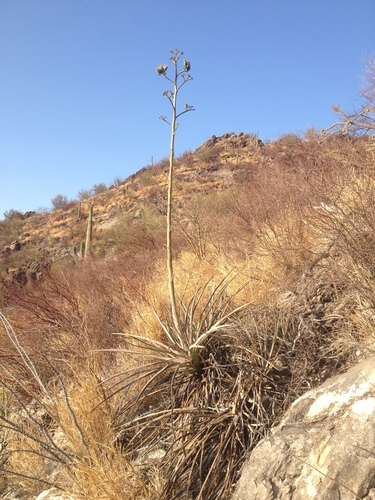
(c) Jan Ho, some rights reserved (CC BY-NC), uploaded by Jan Ho

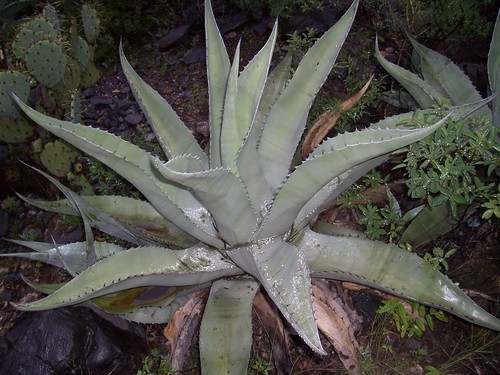
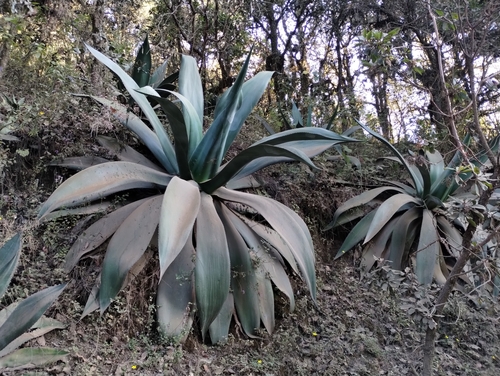
(c) budak, some rights reserved (CC BY-NC), uploaded by budak
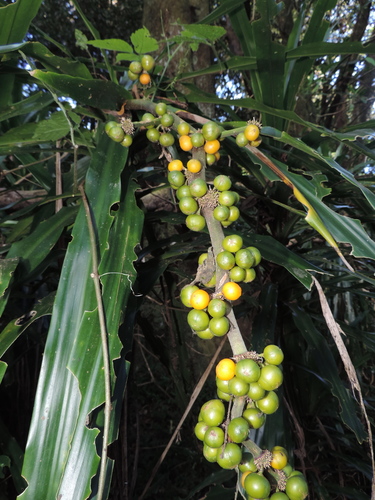
(c) Marco Schmidt, some rights reserved (CC BY-NC-SA), uploaded by Marco Schmidt
What to Eat
Edible parts: Fruit Poisonous
Known Hazards
Where to Find It
It is a tropical plant. It grows in the understorey in mountain forest. It grows between 600-2,250 m above sea level.
Africa*, Angola, Asia, Australia, Côte d'Ivoire, East Africa, Fiji, Indochina, Indonesia, Ivory Coast, Kiribati, Marquesas, Marshall Islands, Micronesia, Mozambique, Myanmar, Nigeria, Pacific, Rotuma, SE Asia, Sudan, Thailand, Tuvalu, Uganda, West Africa, Zimbabwe,
How to Identify
A shrub like plant. It is succulent. It grows 10 m tall. The stems are soft wooded and do not have branches. It can be erect or scrambling. The leaves are leathery and crowded in rings. The flowers are white to purple and are in groups at the top of the plant. The fruit are 1-2 cm across.
How to Grow
Plants can be grown from seeds or cuttings.
Wikipedia
Source ↗Dracaena fragrans (cornstalk dracaena), is a flowering plant species that is native to tropical Africa, from Sudan south to Mozambique, west to Côte d'Ivoire and southwest to Angola, growing in upland regions at 600–2,250 m (1,970–7,380 ft) altitude.
Notes
Also put in the family Dracaenaceae.
Names & Synonyms
Corn plant, Cornstalk dracaena, Dragon's blood plant, Sukulen darah naga, Ut, Zaw-gyi-taung-hmwe
References (7)
- Anderson, E. F., 1993, Plants and people of the Golden Triangle. Dioscorides Press. p 210
- Sukarya, D. G., (Ed.) 2013, 3,500 Plant Species of the Botanic Gardens of Indonesia. LIPI p 1011, 1104
- Thaman, R. R., 1987, Plants of Kiribati: A listing and analysis of vernacular names. Atoll Research Bulletin No. 296
- Thaman, R. R, 2016, The flora of Tuvalu. Atoll Research Bulletin No. 611. Smithsonian Institute p 34
- Vander Velde, N, 2003, The Vascular Plants of Majuro Atoll, Republic of the Marshall Islands. Atoll research Bulletin. No. 503. Smithsonian Institute. p 16
- Whitney, C. W., et al, 2017, Ethnobotany and Agrobiodiversity: Valuation of Plants in the Homegardens of Southwestern Uganda. Ethnobiology Letters 9(2):90–100
- World Checklist of Useful Plant Species 2020. Royal Botanic Gardens, Kew