Begonia macrocarpa
Warb.
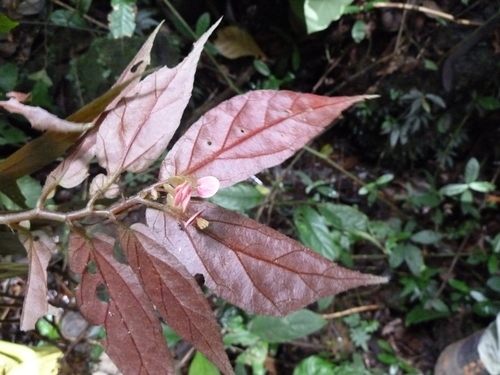
BegoniaceaeLeaves
iNaturalist · cc-by-nc
(c) Carel Jongkind, some rights reserved (CC BY-NC), uploaded by Carel Jongkind
(c) Carel Jongkind, some rights reserved (CC BY-NC), uploaded by Carel Jongkind
iNaturalist · cc-by-nc
(c) Carel Jongkind, some rights reserved (CC BY-NC)
(c) Carel Jongkind, some rights reserved (CC BY-NC)
What to Eat
Edible parts: Leaves, Vegetable
The leaves are cooked and eaten as an acid substitute for sorrel, typically served with fish or meat in stews.
Where to Find It
It is a tropical plant.
Africa, Angola, Benin, Cameroon, Central Africa, Congo, Côte d'Ivoire, Gabon, Guinea, Guinée, Ivory Coast, Liberia, Nigeria, Sierra Leone, Togo, West Africa,
Countries: Angola, Burkina Faso, Burundi, Benin, Botswana, Congo (DRC), Central African Republic, Congo (Republic), Cote d'Ivoire, Cameroon, Cape Verde, Djibouti, Algeria, Egypt, Eritrea, Ethiopia, Gabon, Ghana, Gambia, Guinea, Equatorial Guinea, Guinea-Bissau, Kenya, Comoros, Liberia, Lesotho, Libya, Morocco, Madagascar, Mali, Mauritania, Mauritius, Malawi, Mozambique, Namibia, Niger, Nigeria, Rwanda, Seychelles, Sudan, Sierra Leone, Senegal, Somalia, South Sudan, Sao Tome & Principe, Eswatini, Chad, Togo, Tunisia, Tanzania, Uganda, South Africa, Zambia, Zimbabwe
How to Identify
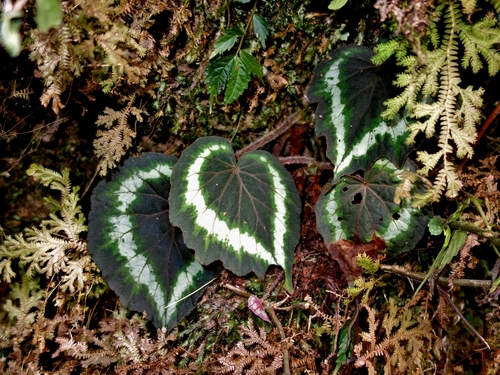
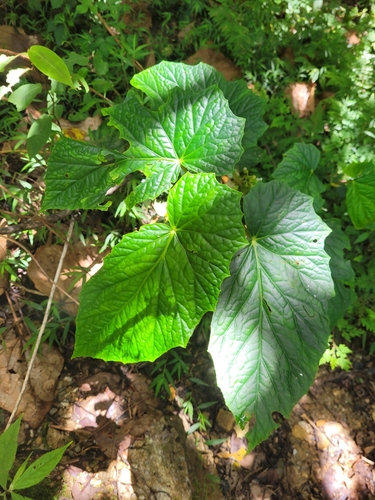
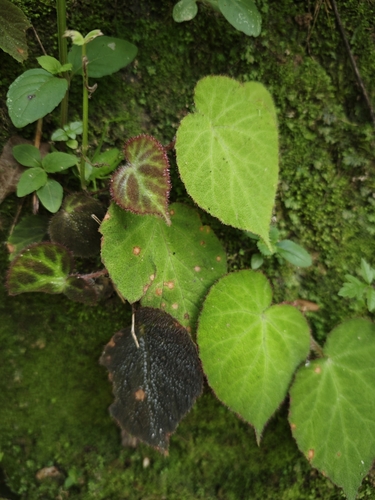
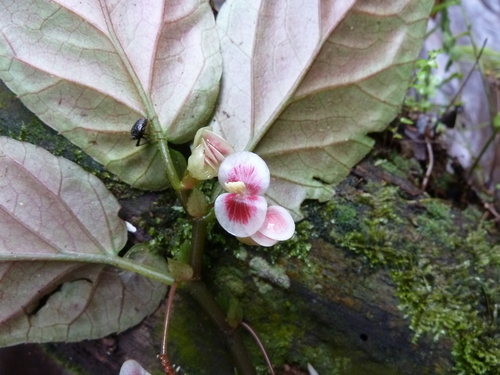
An erect herb. It keeps growing from year to year. It grows 110 cm tall. The stems are succulent and swollen at the nodes. The leaves are alternate and simple. They are 4-15 cm long by 3-6 cm wide. They are heart shaped at the base. The flowering stalks are in the axils of leaves and male and female flowers are separate. The fruit are winged capsules.
Other Information
It is a minor vegetable.
References (2)
- Grubben, G. J. H. and Denton, O. A. (eds), 2004, Plant Resources of Tropical Africa 2. Vegetables. PROTA, Wageningen, Netherlands. p 106
- World Checklist of Useful Plant Species 2020. Royal Botanic Gardens, Kew