Lathyrus graminifolius
(S. Wats) White
Grassleaf peavine
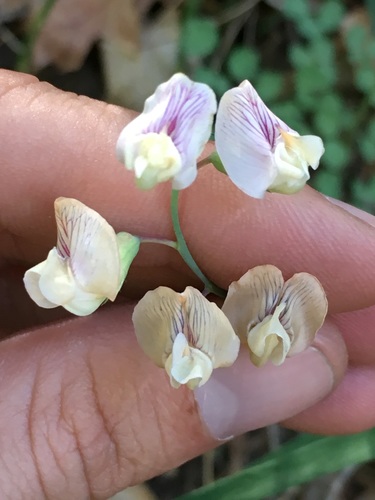
(c) Damon Tighe, some rights reserved (CC BY-NC), uploaded by Damon Tighe
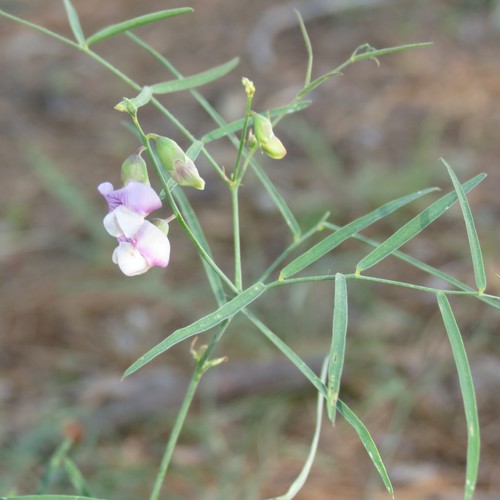
(c) C. Mallory, some rights reserved (CC BY-NC), uploaded by C. Mallory
What to Eat
The tender young leaves are eaten as greens in spring, both fresh and cooked, though they are generally small, sparse, and of modest food value — flavour is pea-pod-like but more bitter than commercial pea pods. The seedpods of this species are not reported edible. Flowers appear from April to September, with young pods following shortly after the blossoms. Yields can be unreliable as plants are prone to being eaten by animals or lost to disease before pods mature. The plant was reportedly eaten by the Karok Indians of the northwest, though plant distributions suggest possible species confusion in that record. All species in the genus contain toxic compounds called lathyrogens, which can cause neurolathyrism and osteolathyrism if consumed in large quantities or over long periods. Boiling reduces but does not completely eliminate these toxins.
Where to Find It
It is a temperate plant.
North America, USA,
How to Identify
A hardy perennial growing to 0.5 m tall and 0.4 m wide, reaching UK hardiness zone 5. This insect-pollinated plant adapts to well-drained light sandy, medium loamy, and heavy clay soils with mildly acidic to basic pH. It requires full sun and tolerates both dry and moist conditions with drought resistance.
How to Grow
Propagation: Pre-soak seed for 24 hours in warm water, then sow in early spring in a cold frame. Prick seedlings out into individual pots once large enough to handle and plant out in summer.
Medicinal Uses
None known.
Other Uses
The plant has a horizontal, spreading root system and shows excellent potential for erosion control along roadsides and gullies.
Wikipedia
A hardy perennial growing to 0.5 m tall and 0.4 m wide, reaching UK hardiness zone 5. This insect-pollinated plant adapts to well-drained light sandy, medium loamy, and heavy clay soils with mildly acidic to basic pH. It requires full sun and tolerates both dry and moist conditions with drought resistance.
References (1)
- Moerman, D. F., 2010, Native American Ethnobotany. Timber Press. p 298




