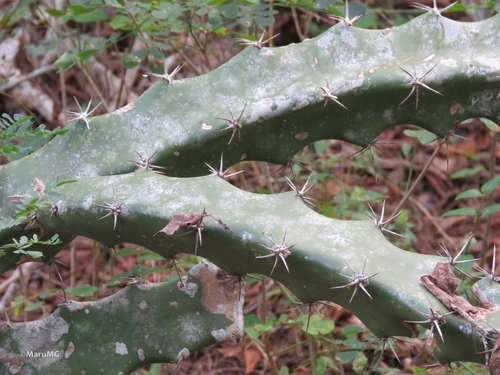
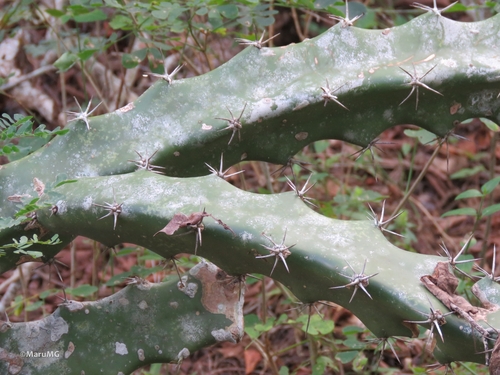
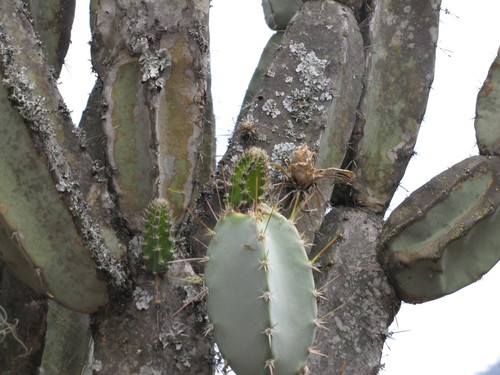
Austrocactus spiniflorus
(Phil.) F. Ritter
Cholla cactus
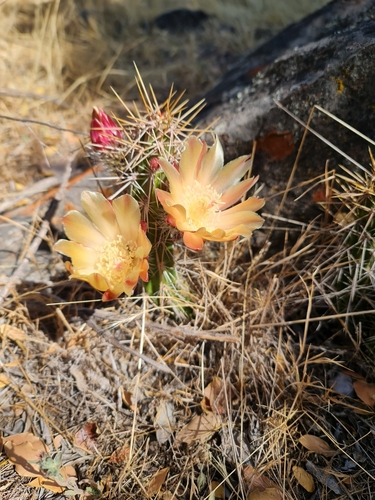
iNaturalist · cc-by
(c) Javier Conejeros Gastó, some rights reserved (CC BY), uploaded by Javier Conejeros Gastó
(c) Javier Conejeros Gastó, some rights reserved (CC BY), uploaded by Javier Conejeros Gastó

iNaturalist · cc-by-nc
(c) Martin Lowry, some rights reserved (CC BY-NC), uploaded by Martin Lowry
(c) Martin Lowry, some rights reserved (CC BY-NC), uploaded by Martin Lowry
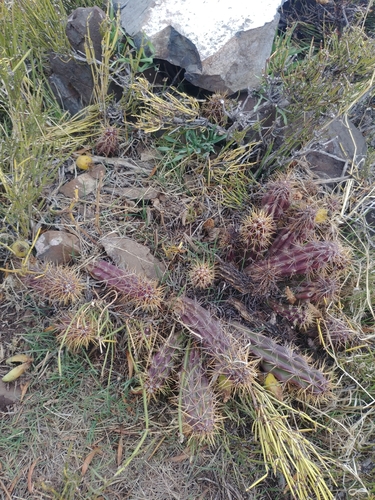
iNaturalist · cc-by-nc
(c) Vicente Pantoja, some rights reserved (CC BY-NC), uploaded by Vicente Pantoja
(c) Vicente Pantoja, some rights reserved (CC BY-NC), uploaded by Vicente Pantoja
What to Eat
Edible parts: Stems, Fruit
The stems and fruit are roasted and eaten when food is scarce.
Where to Find It
It is a subtropical plant.
Mexico, North America, USA,
Countries: Antigua & Barbuda, Barbados, Bahamas, Belize, Canada, Costa Rica, Cuba, Dominica, Dominican Republic, Grenada, Guatemala, Honduras, Haiti, Jamaica, St Kitts & Nevis, St Lucia, Mexico, Nicaragua, Panama, Puerto Rico, El Salvador, Trinidad & Tobago, United States, St Vincent
How to Identify
A subtropical cactus (Cactaceae) used as a famine food.
Other Information
It is a famine food.
Names & Synonyms
Corryocactus spiniflorus (Phil.) HutchisonEchinocereus clavatus K. Schum.Echinocereus hypogaeus (F. A. C. Weber ex Regel) A. A. Weber ex K. Schum.Echinocereus hypogaeus RumplerErdisia spinifolora (Phil.) Britton & RoseEulychnia clavata Phil. ex K. Schum.Opuntia bicolor Phil.Opuntia clavata Engelm.Opuntia spiniflora Phil.
References (2)
- Kermath, B. M., et al, 2014, Food Plants in the Americas: A survey of the domesticated, cultivated and wild plants used for Human food in North, Central and South America and the Caribbean. On line draft. p 584 (As Opuntia clavata)
- Moerman, D. F., 2010, Native American Ethnobotany. Timber Press. p 365 (As Opuntia clavata)