Rubus arizonensis
Focke
Arizona dewberry
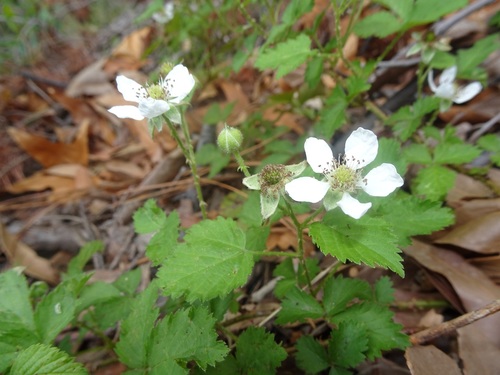
(c) Ethan, some rights reserved (CC BY-NC), uploaded by Ethan
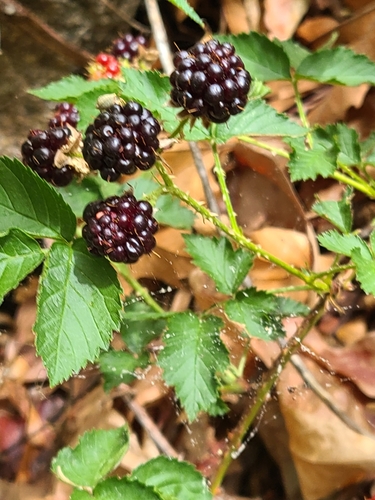
(c) esophiea, some rights reserved (CC BY-NC), uploaded by esophiea
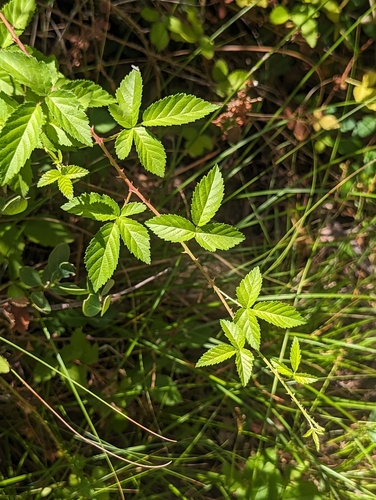
(c) Jaxon Lane, some rights reserved (CC BY-NC), uploaded by Jaxon Lane
What to Eat
Edible parts: Fruit
The fruits are eaten fresh or pressed into pulpy cakes for storage.
Dangerous Lookalikes
This plant can be confused with the following toxic species. Always verify identification carefully before consuming any wild plant.


Red Baneberry: Short herbaceous plant (no thorns), berries on thick red stems, each berry has a single seed, compound sharply-toothed leaves.
Arizona dewberry: Thorny woody canes (brambles), aggregate berry made of many drupelets, berries pull easily from receptacle.
Where to Find It
It is a temperate plant.
North America, USA,
How to Identify
A creeping herb in the Rosaceae family native to temperate regions, capable of growing up to 2 m long and producing berries.
Wikipedia
Source ↗Rubus arizonensis, called Arizona dewberry, is a North American species of dewberry in Section Procumbentes of the genus Rubus, a member of the rose family. It is endemic to the Arizona Upland of Arizona and northern Sonora, Mexico.
Names & Synonyms
References (2)
- Desert Survivors Online Plant Database
- Moerman, D. F., 2010, Native American Ethnobotany. Timber Press. p 487
More from Rosaceae


