Spiraea alba
Du Roi
White meadowsweet
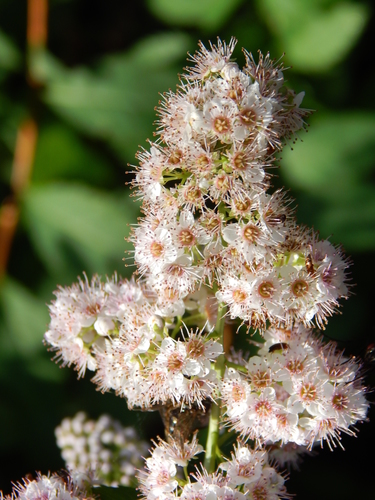
(c) Hubert Szczygieł, some rights reserved (CC BY-NC), uploaded by Hubert Szczygieł

(c) Ashley M Bradford, some rights reserved (CC BY-NC), uploaded by Ashley M Bradford
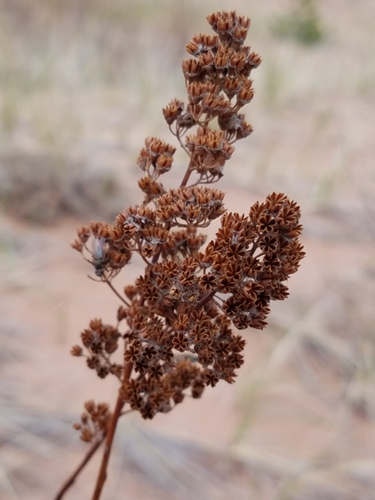
(c) Sarah Johnson, some rights reserved (CC BY), uploaded by Sarah Johnson
What to Eat
Edible parts: Leaves - tea, Leaves
An infusion of the leaves makes a beverage that tastes like China tea.
Where to Find It
It is a temperate plant. It grows in swamps and marshes.
Asia, Europe, North America, Slovenia, USA,
How to Identify
A shrub. It forms clumps. They grow in groups. It grows 1-2 m tall. The leaves are alternate and 8 cm long by 2 cm wide. They are narrowly oval and have sharp teeth along the edge. Leaves are pale green underneath. The flowers are 6 mm across and have 5 white petals. There are 20 or more stamens.
How to Grow
Tolerates most soils, but prefers a good loamy soil, abundant moisture and full sunlight. This species is closely related to S. salicifolia and is often treated as no more than a variety of it. Hybridizes freely with other members of this genus.
Propagation: Sow seed as soon as it is ripe in a cold frame where possible. Stratification is likely required before germination, so stored seed should be sown in a cold frame as early in the year as received. Prick out seedlings into individual pots when large enough to handle and grow on in a cold frame for the first winter, then plant out in late spring or early summer the following year. Take half-ripe cuttings in July/August in a light sandy soil in a frame. Take cuttings of mature wood from the current season's growth, 15cm long, in October/November in an outdoor frame (September has also been reported as suitable). Divide suckers in early spring and plant directly into permanent positions.
Medicinal Uses
An infusion of the leaves is valued as a restorative tonic.
Other Uses
None known.
Wikipedia
Source ↗Spiraea alba, commonly known as meadowsweet, white meadowsweet, narrowleaf meadowsweet, the botanical pale bridewort, or pipestem, is native to the wet soils of the Allegheny Mountains and other portions of eastern North America, but is currently endangered in the state of Missouri. It is naturalized in other parts of the world.
Names & Synonyms
Bela medvejka
References (3)
- http://www.botanic-gardens-ljubljana.com/en/plants
- Moerman, D. F., 2010, Native American Ethnobotany. Timber Press. p 541 (As Spiraea alba var. latifolia)
- www.wildediblefood.com (As Spiraea alba)
More from Rosaceae


