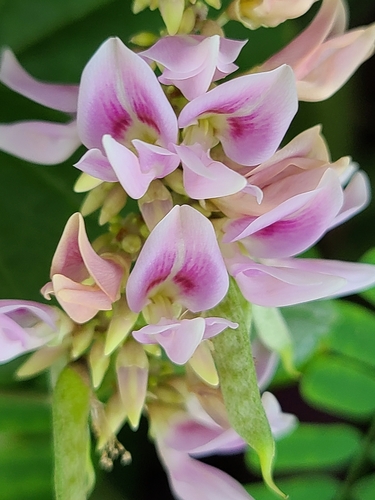
Trifolium ciliolatum
Benth.
Foothill clover

(c) Steve Matson, some rights reserved (CC BY), uploaded by Steve Matson
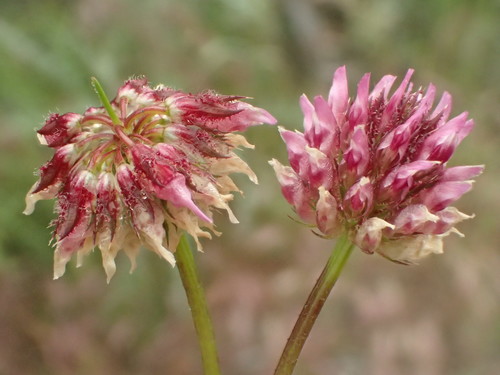
(c) Ron Vanderhoff, some rights reserved (CC BY-NC), uploaded by Ron Vanderhoff

(c) Steve Matson, some rights reserved (CC BY), uploaded by Steve Matson
What to Eat
Edible parts: Leaves, Seeds
The seeds and vegetation of this plant were a common food of many local Native American groups.
Where to Find It
It is a temperate plant.
North America, USA,
How to Identify
A clover herb.
Wikipedia
Source ↗Trifolium ciliolatum is a species of clover known by the common name foothill clover. It is native to western North America from Washington to Baja California. It is a common plant of many regions, including disturbed habitat. It is an annual herb growing erect in form, with hairless herbage. The leaves are made up of toothed oval leaflets and have bristle-tipped stipules. The inflorescence is a head of flowers 1 or 2 centimeters wide, the flowers often spreading out or drooping. The flower has a calyx of bristle-like sepals lined with hairs and a pinkish or purplish corolla.
Names & Synonyms
Trebol, Trevo
References (2)
- Kermath, B. M., et al, 2014, Food Plants in the Americas: A survey of the domesticated, cultivated and wild plants used for Human food in North, Central and South America and the Caribbean. On line draft. p 875
- Moerman, D. F., 2010, Native American Ethnobotany. Timber Press. p 566