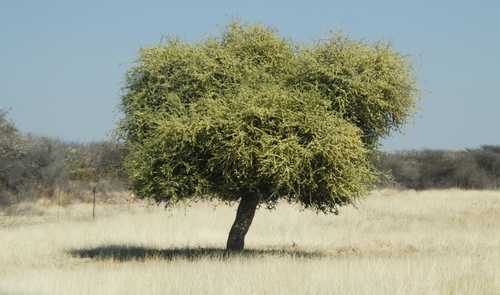
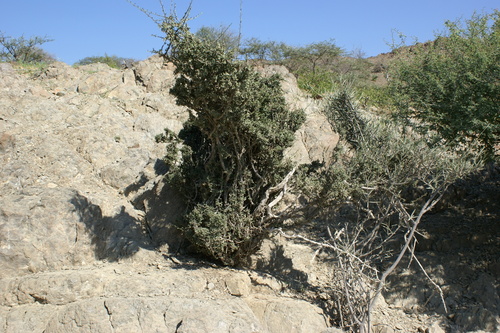
Capparis tenera
Dalzell
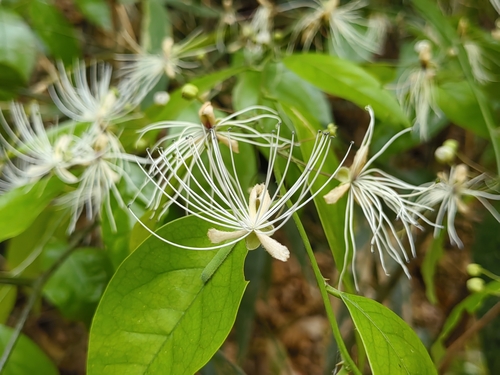
iNaturalist · cc-by-nc
(c) guanhong, some rights reserved (CC BY-NC)
(c) guanhong, some rights reserved (CC BY-NC)
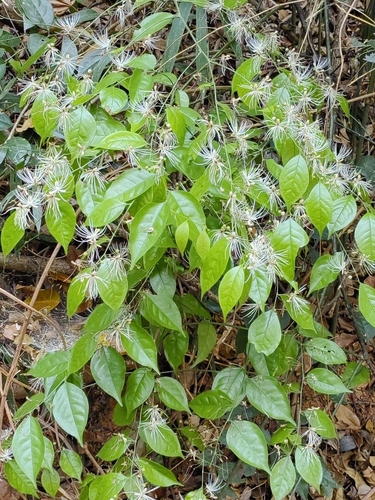
iNaturalist · cc-by-nc
(c) guanhong, some rights reserved (CC BY-NC)
(c) guanhong, some rights reserved (CC BY-NC)
iNaturalist · cc-by-nc
(c) guanhong, some rights reserved (CC BY-NC)
(c) guanhong, some rights reserved (CC BY-NC)
What to Eat
Edible parts: Fruit, Leaves
Both the leaves and fruit are edible; leaves are cooked as a vegetable.
Where to Find It
It is a tropical plant. In China it grows between 1,200-2,000 m above sea level. In Yunnan.
Africa, Asia, China, India, Indochina, Northeastern India, Myanmar, SE Asia, Sri Lanka, Thailand,
Countries: United Arab Emirates, Afghanistan, Armenia, Angola, Azerbaijan, Bangladesh, Burkina Faso, Bahrain, Burundi, Benin, Brunei, Bhutan, Botswana, Congo (DRC), Central African Republic, Congo (Republic), Cote d'Ivoire, Cameroon, China, Cape Verde, Djibouti, Algeria, Egypt, Eritrea, Ethiopia, Gabon, Georgia, Ghana, Gambia, Guinea, Equatorial Guinea, Guinea-Bissau, Indonesia, Israel, India, Iraq, Iran, Jordan, Japan, Kenya, Kyrgyzstan, Cambodia, Comoros, North Korea, South Korea, Kuwait, Kazakhstan, Laos, Lebanon, Sri Lanka, Liberia, Lesotho, Libya, Morocco, Madagascar, Mali, Myanmar, Mongolia, Mauritania, Mauritius, Maldives, Malawi, Malaysia, Mozambique, Namibia, Niger, Nigeria, Nepal, Oman, Philippines, Pakistan, Qatar, Rwanda, Saudi Arabia, Seychelles, Sudan, Singapore, Sierra Leone, Senegal, Somalia, South Sudan, Sao Tome & Principe, Syria, Eswatini, Chad, Togo, Thailand, Tajikistan, Timor-Leste, Turkmenistan, Tunisia, Turkey, Taiwan, Tanzania, Uganda, Uzbekistan, Vietnam, Yemen, South Africa, Zambia, Zimbabwe
How to Identify
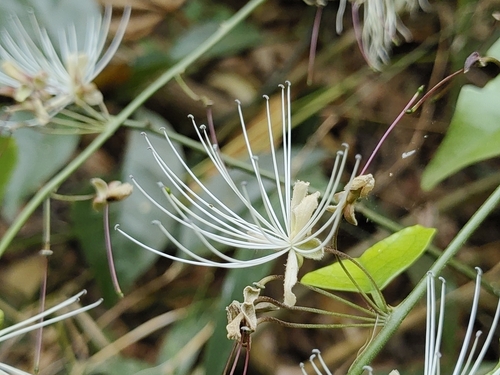
A shrub or vine. It grows 3 m tall. The twigs have thin spines. The leaf blade is narrowly oval and 4-7 cm long by 2 cm wide. The fruit are round and red when ripe. They are 7-10 mm across. There are 1 or 2 seeds per fruit.
Names & Synonyms
Alolay, Bak lep maeo, Lamaw juriu, Mani-thanlyet, Mark muay, Pa da jiu
Capparis disticha KurzCapparis oxyphylla Wall.Capparis tetrasperma Thwaitesand others
References (4)
- Price, L. L., 1997, Wild Plant Food in Agricultural Environments: A Study of Occurrence, management and gathering Rights in Northeast Thailand. Human Organization. 56(2)
- Somnasang, P., et al, 2000, Knowing gathering and eating: Knowledge and attitudes about wild food in an Isan Village in north eastern Thailand. Journal of Ethnobiology 20(2):197-216
- www.efloras.org Flora of China Volume 7
- Xu, You-Kai, et al, 2004, Wild Vegetable Resources and Market Survey in Xishuangbanna, Southwest China. Economic Botany. 58(4): 647-667.