Lannea amaniensis
Engl. & K. Krause

Conveyor Belt

Conveyor Belt
What to Eat
Edible parts: Fruit
The fruit are eaten raw. They can be dried and stored.
Where to Find It
It is a tropical plant. It grows in the lowlands and the highlands. It grows up to 1,100 m above sea level. It is often in swampy areas in forests. In Ethiopia it grows in areas with an annual rainfall of 1,500-2,000 mm.
Africa, Angola, Congo DR, Côte d'Ivoire, East Africa, Ethiopia, Ivory Coast, Tanzania,
How to Identify
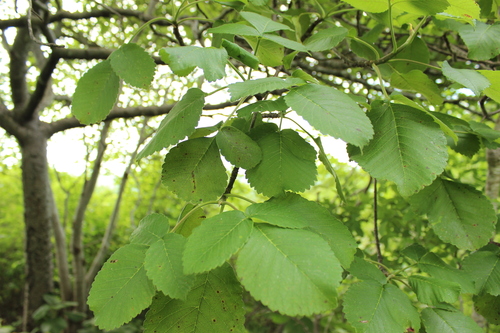
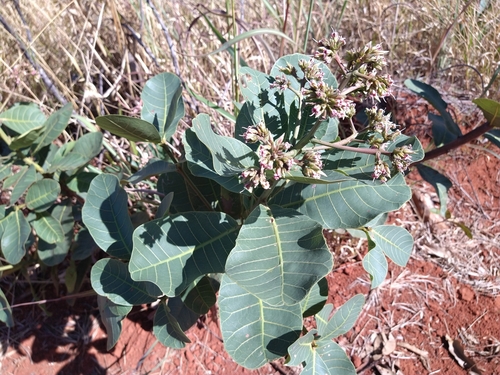
A tree. It grows 30 m tall. The trunk can be 100 cm across. It has a spreading crown. Plants are separately male and female. Fruit are 6-7 mm long and flattened and black.
How to Grow
Plants can be grown from fresh seed. Trees can be cut back and used as hedges and live fences.
Production
It is fast growing.
Other Information
It is a cultivated plant.
Notes
An unresolved name in The Plant List. Possibly a synonym of Lannea welwitschii
Names & Synonyms
Mumbu
References (3)
- Burkill, H. M., 1985, The useful plants of west tropical Africa, Vol. 1. Kew. (Also as Lannea amaniensis)
- http://www.fao.org/forestry/25323-096344a3de335832e8f363c3ac5184a66.pdf (As Lannea amaniensis)
- PROTA (As Lannea amaniensis)