Cleistocactus sepium
(Kunth) A. Weber
CactaceaeFruit
iNaturalist · cc-by-nc
(c) jefferson_uemmm, some rights reserved (CC BY-NC)
(c) jefferson_uemmm, some rights reserved (CC BY-NC)
iNaturalist · cc-by-nc
(c) jefferson_uemmm, some rights reserved (CC BY-NC)
(c) jefferson_uemmm, some rights reserved (CC BY-NC)

iNaturalist · cc-by-nc
(c) lesliesolis2710, some rights reserved (CC BY-NC)
(c) lesliesolis2710, some rights reserved (CC BY-NC)
What to Eat
Edible parts: Fruit
The fleshy pulp of the fruit is eaten fresh.
Where to Find It
It is a tropical plant. In Ecuador it grows between 1,300-3,200 m above sea level.
Andes, Colombia, Ecuador, Peru, South America,
How to Identify
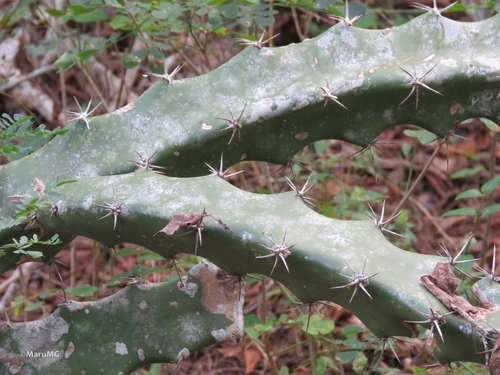
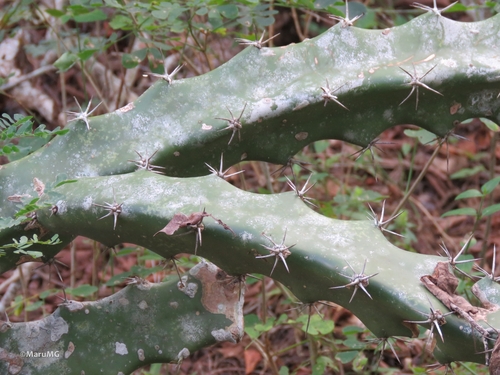
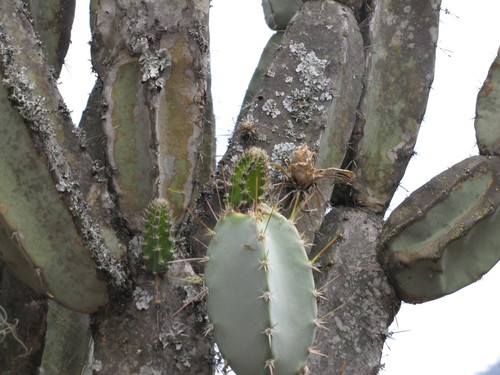
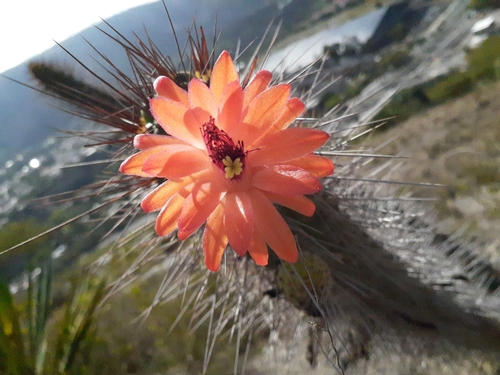
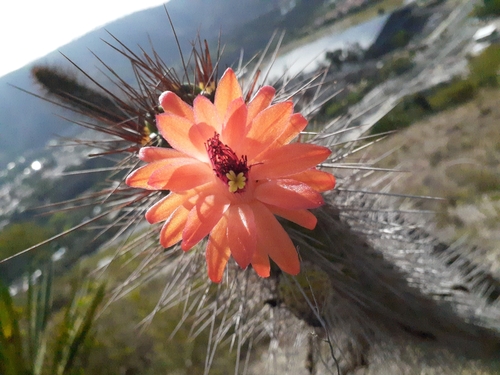
A cactus. It is unbranched and has spines. The flowers are medium sized and tube shaped. They have red and yellow petals. The fruit is a round berry. It has fleshy pulp. Now Borzicactus sepium
Names & Synonyms
Muyusa
Borzicactus aequatorialis Backeb.Borzicactus morleyanus Britton & RoseBorzicactus sepium (Kunth) Britton & RoseCactus sepium KunthCereus chotaensis (Weber) VaupelCereus japoianus Backeb.Cleistocactus chotaensis A. WeberEchinocactus weberbaueri VaupelLoxanthocereus jajoianus (Backeb.) Backeb.Matucana weberbaueri (Vaupel) Backeb.
References (4)
- Kermath, B. M., et al, 2014, Food Plants in the Americas: A survey of the domesticated, cultivated and wild plants used for Human food in North, Central and South America and the Caribbean. On line draft. p 242
- Martin, F. W., et al, 1987, Perennial Edible Fruits of the Tropics. USDA Handbook 642 p 84 (As Borzicactus sepium)
- Quintana, C. M., 2010, Wild Plants in the Dry Valleys Around Quito Ecuador. An Illustrated Guide. Publicationes del Harbario, QCA p 75 (As var. ventimigliae)
- Roa, J. A. G. & Boada, D. S. G., 2018, Fundación para el Fortalecimiento de la Fruticultura y Plantas Alimenticias no Convencionales en Colombia.