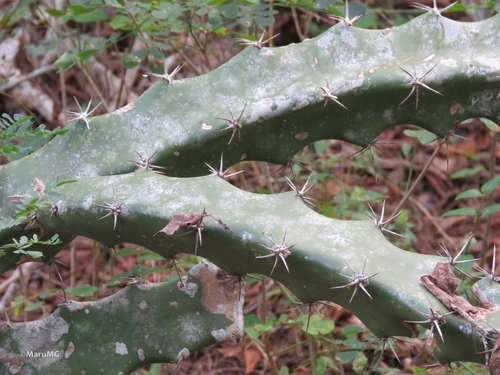
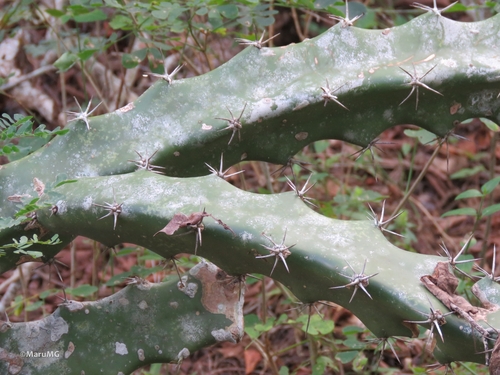
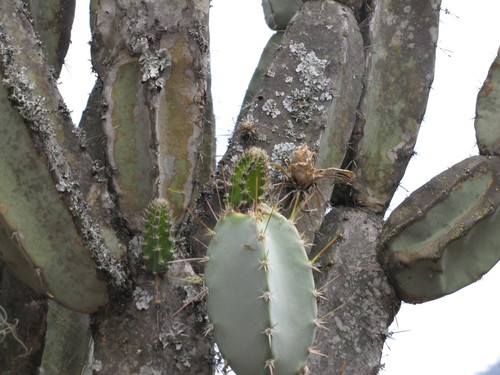
Disocactus ackermannii
(Haw.) Ralf Bauer

(c) almaangel, some rights reserved (CC BY-NC)
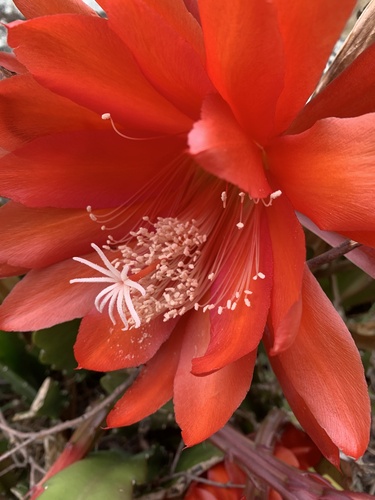
(c) anna_lindstrand, some rights reserved (CC BY-NC)
What to Eat
Edible parts: Fruit
Fruit - raw. A whitish-pink pulp. The ovoid to oblong, green to brownish red fruit is around 40mm long and 20 - 25mm in diameter.
Where to Find It
It is a subtropical plant.
Mexico, North America,
How to Identify
A subtropical cactus in the Cactaceae family.
How to Grow
The species is a strict epiphyte. It requires a high humidity, a position that is shaded during the hottest part of the day and a pH lower than 6.
Propagation: Seed - The species is easily propagated vegetatively.
Wikipedia
Source ↗Disocactus ackermannii commonly called red orchid cactus is an epiphytic cactus from tropical forests in the states of Veracruz and Oaxaca, Mexico. In cultivation, it has been confused with Disocactus × jenkinsonii, a hybrid between D. phyllanthoides and D. speciosus.
Names & Synonyms
Beni-kujaku
References (2)
- Kermath, B. M., et al, 2014, Food Plants in the Americas: A survey of the domesticated, cultivated and wild plants used for Human food in North, Central and South America and the Caribbean. On line draft. p 570 (As Nopalaxochia ackermannii)
- Martin, F. W., et al, 1987, Perennial Edible Fruits of the Tropics. USDA Handbook 642 p 88 (As Nopalaxochia ackermannii)