Eschweilera compressa
(Vell.) Miers
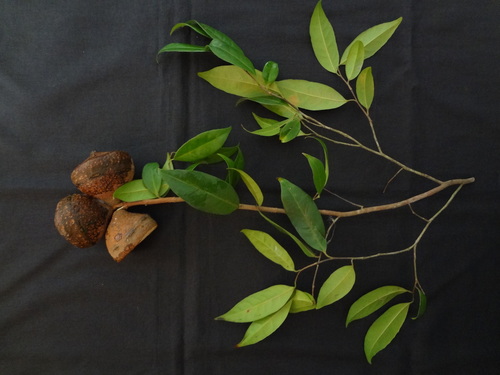
(c) Geovane Siqueira, some rights reserved (CC BY-NC), uploaded by Geovane Siqueira
What to Eat
Edible parts: Seeds - oil
The seeds are used for oil.
Where to Find It
It is a tropical plant.
Brazil, South America,
How to Identify
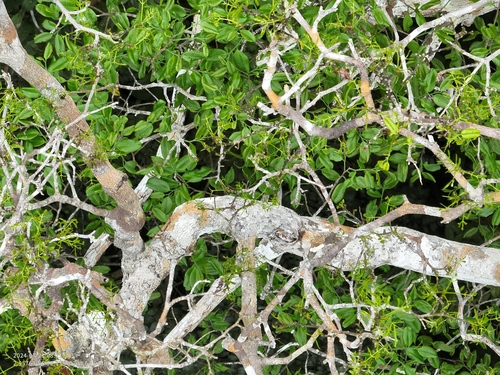
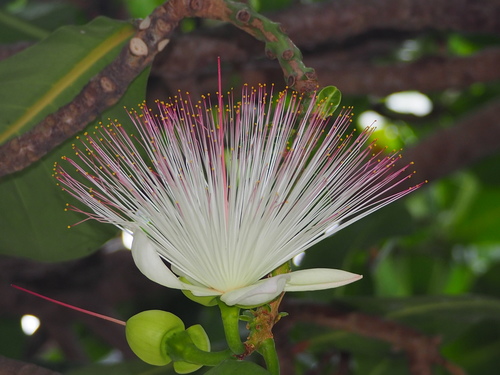
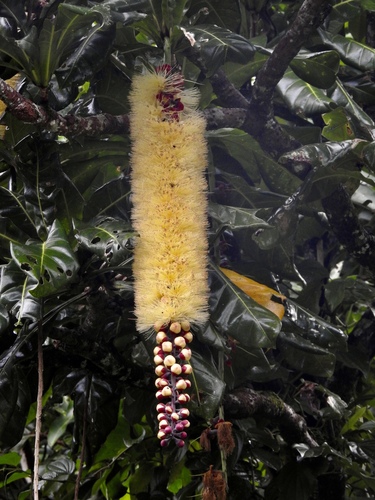
A tropical tree in the Lecythidaceae family.
Other Uses
We do not have any specific information for this species, but the general description for the wood of this genus is as follows:- The heartwood of most species is light brown, grayish-brown, reddish-brown, or brownish-buff, sometimes with black streaks; it is usually distinct from the yellowish sapwood. The texture is fine and uniform; the grain typically straight; lustre is low; there is no distinctive odour or taste. Depending on the species, silica content may be as high as 2.4%. Most species are highly resistant to attack by both brown-rot and white-rot fungi. Also most of the species have gained wide recognition for their high degree of resistance to marine-borer attack. Resistance to dry-wood termite attack is variable, depending on species. The wood is rated as fairly difficult to air season, drying rates are slow to moderate. Warp and checking are rated as slight to moderate, depending on species. Most of the species are difficult to work because of the high density and high silica content (excepting E. Tenax); specially tipped cutters are suggested. They can be used for purposes such as marine and other heavy construction, industrial flooring, pulpmill equipment, railroad crossties, piling, and turnery.
Wikipedia
Source ↗Eschweilera compressa is a species of woody plant in the family Lecythidaceae. It is found only in Brazil and is threatened by habitat loss.
Names & Synonyms
Sapucaia-mirim
References (2)
- Kermath, B. M., et al, 2014, Food Plants in the Americas: A survey of the domesticated, cultivated and wild plants used for Human food in North, Central and South America and the Caribbean. On line draft. p 348
- Martin, F. W., et al, 1987, Perennial Edible Fruits of the Tropics. USDA Handbook 642 p 98 (As Lecythis angustifolia)