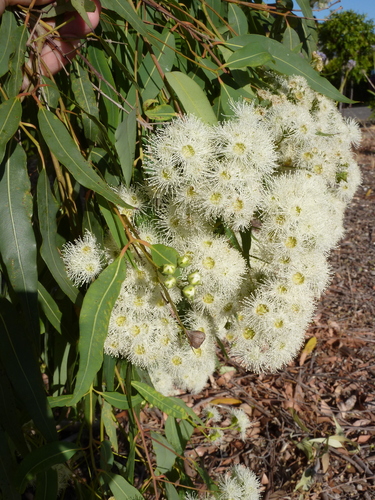
Myrcia sylvatica
(G. Mey.) DC.
Christmas tree
MyrtaceaeFruit

iNaturalist · cc-by-nc
(c) Guillaume Léotard, some rights reserved (CC BY-NC), uploaded by Guillaume Léotard
(c) Guillaume Léotard, some rights reserved (CC BY-NC), uploaded by Guillaume Léotard

iNaturalist · cc-by-nc
(c) Guillaume Léotard, some rights reserved (CC BY-NC), uploaded by Guillaume Léotard
(c) Guillaume Léotard, some rights reserved (CC BY-NC), uploaded by Guillaume Léotard

iNaturalist · cc-by-nc
(c) Guillaume Léotard, some rights reserved (CC BY-NC), uploaded by Guillaume Léotard
(c) Guillaume Léotard, some rights reserved (CC BY-NC), uploaded by Guillaume Léotard
What to Eat
Edible parts: Fruit
The ripe fruit are eaten fresh.
Where to Find It
It is a tropical plant. It grows in secondary shrub land on white sand.
America, Colombia, Guiana, Guianas, Guyana, South America, Suriname, Venezuela,
How to Identify
A small tree. The leaves are small. The flowers are white. The fruit are red to black berries. They are 5 mm across.
Names & Synonyms
Ibibanaro
References (2)
- Andel T. van, Non-timber forest products of the North-West District of Guyana. Part 2. A Field Guide. Tropenbos-Guyana Programme. p 295
- Roa, J. A. G. & Boada, D. S. G., 2018, Fundación para el Fortalecimiento de la Fruticultura y Plantas Alimenticias no Convencionales en Colombia.