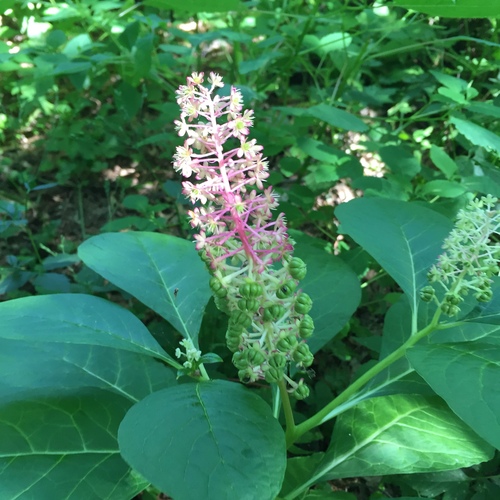
Trichostigma octandrum
(L.) H. Walter
Basket vine

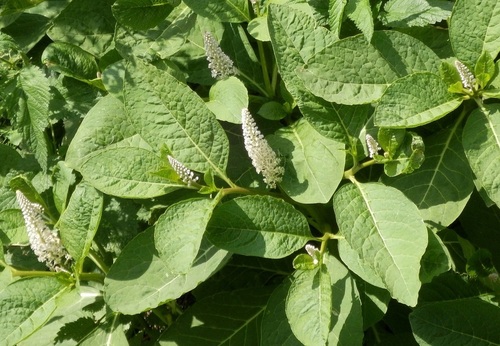
(c) Barry Hammel, some rights reserved (CC BY-NC-SA)
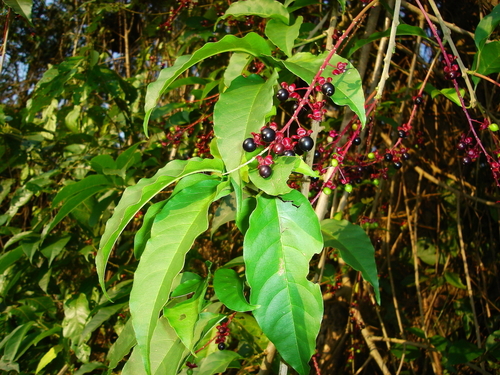
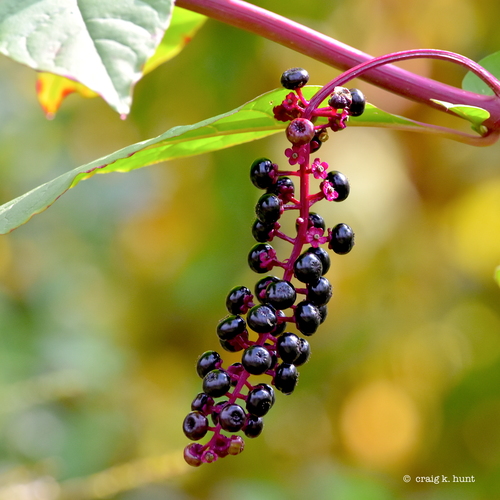
(c) Germaine Alexander Parada, some rights reserved (CC BY-NC), uploaded by Germaine Alexander Parada
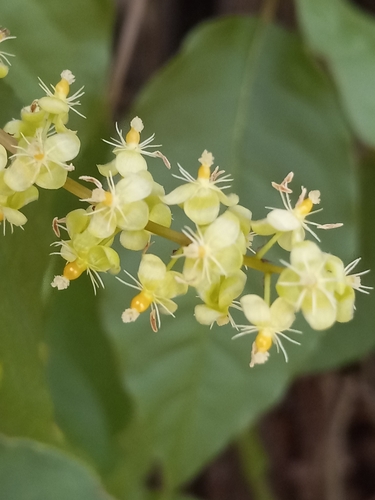
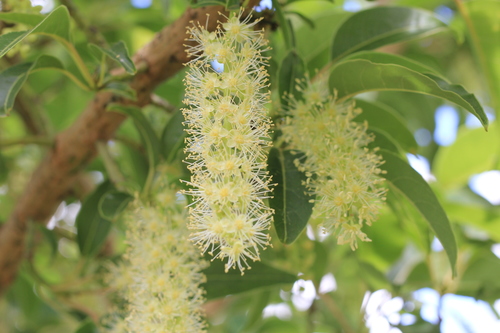
(c) Martin Reith, some rights reserved (CC BY-NC), uploaded by Martin Reith
What to Eat
Edible parts: Leaves
The leaves are eaten.
Where to Find It
It is a tropical plant. ECHO
Dominican Republic, Guiana, Haiti, North America, Puerto Rico, South America, USA, Venezuela, West Indies,
How to Identify
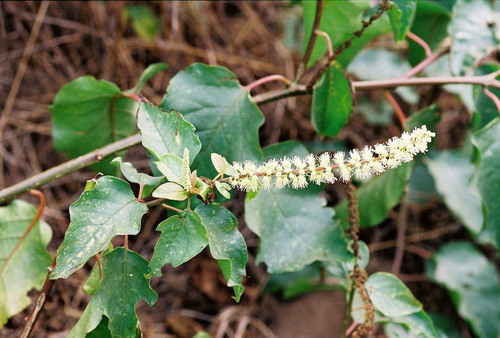
A clambering shrub or creeper. It grows 5-10 m long or longer. The branches hang down. The stems are cylinder shaped and 5-15 cm across. The leaves are alternate and papery and narrowly oval. They are 4-9 cm long by 2-4 cm wide. They are dull dark green on the upper surface and dull light green underneath. The fruit are round and fleshy and 5-7 mm long. They are purple.
How to Grow
Plants are grown by cuttings.
Medicinal Uses
Both the split stems and bast fibers have been used to make barrel hoops, baskets, bent furniture and crafts. Young leaves may be boiled and eaten as vegetables, discarding the bitter water. It is grown ornamentally and is a large sturdy plant that may be trained into bowers and enclosures. The purple juice from the berries stains, and may form a dye. Vegetative parts may be used for heart palpitations. A powder of the bark may be used to treat colds and water retention. Colombians use the leaves to help cure wounds. Hispaniolans use a tea to help with asthma or choking. The fruits are also used in medicines. Related genera Petivera and Phytolacca are known to have many bioactive compounds.
Wikipedia
Source ↗Trichostigma octandrum is a species of flowering plant in the family Petiveriaceae. It was formerly placed in the pokeweed family, Phytolaccaceae. It is native to the Neotropics. It is known in English as hoopvine (Florida), black basket wythe, cooper's wythe, basket wiss or basket with, and hoop with. Common French names include liane pannier or liane a barques ('basket vine' or 'barrel vine'). Spanish names include bejuco canesta, sotacaballo, and pabello, (Puerto Rico, Central America, basket vine, substitute horse, or pavilion). The plant has medicinal and fiber uses.
Names & Synonyms
Basket wiss, Bejuco de nasa, Bejuco de palma, Bejuco de paloma, Black wiss, Hoopvine, Liann panye
References (1)
- ECHO Global farm. List of Crop Plants Appropriate for Haiti