Xanthophyllum ecarinatum
Chodat

President and Fellows of Harvard College

President and Fellows of Harvard College

President and Fellows of Harvard College
What to Eat
Edible parts: Fruit
The flesh of the fruit is eaten raw.
Where to Find It
It is a tropical plant. It grows in mixed forest up to 1300 m above a level. It can be on hillsides or along rivers. It grows on clay soils. It grows in Borneo.
Asia, Brunei, Indonesia, Malaysia, SE Asia,
How to Identify
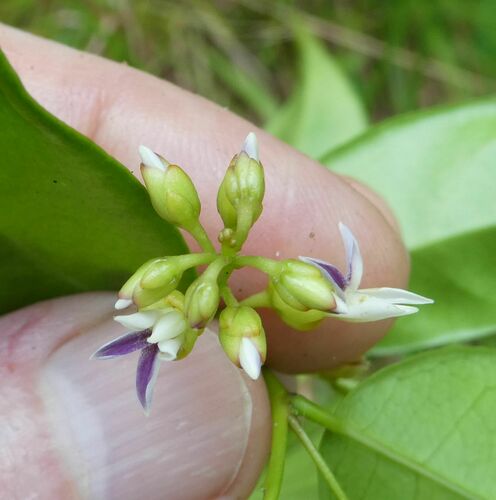
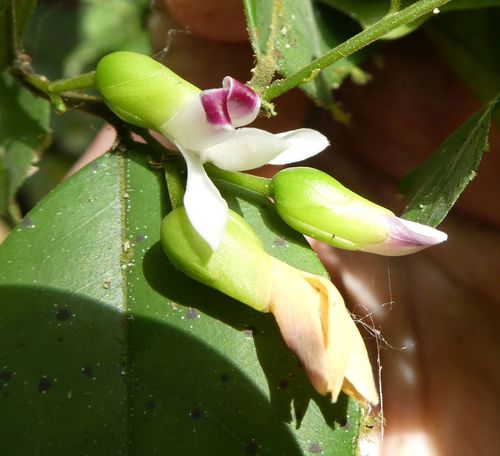
A tree. It grows to about 20 m tall. The leaves are alternate and simple. The flowers are 13 mm across. They are white to yellow. The fruit are about 7 cm across. They are green to yellow. They contain many seeds.
How to Grow
Usually found on clay soils in the wild.
Wikipedia
Source ↗Xanthophyllum ecarinatum is a tree in the family Polygalaceae. The specific epithet ecarinatum is from the Latin meaning 'not keeled', referring to the fact that the petals do not form the shape of a boat (or carina).
Notes
They have also been put in the family Xanthophyllaceae.
Names & Synonyms
Buah uco, Minyak beruk, Nyalin, Langgir
References (2)
- Shaffiq, A. M., A., et al, 2013, Marketable wild fruits of Sarawak, Borneo: Their mode of consumption, uses and sugar profiles. Indian Journal of Traditional Knowledge. Vol 12(2): 195-201
- Slik, F., www.asianplant.net