Xanthophyllum rufum
A. W. Bennet
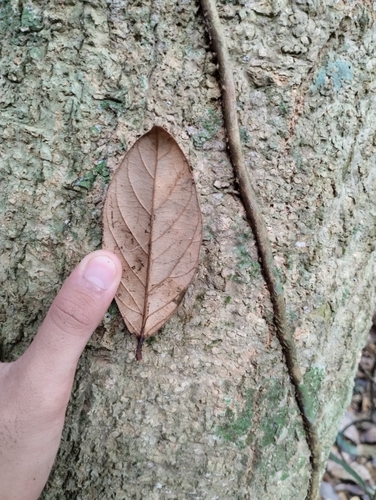
(c) Akmal Idham, some rights reserved (CC BY-NC), uploaded by Akmal Idham
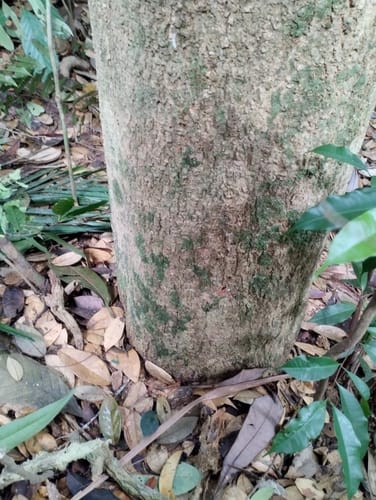
(c) Akmal Idham, some rights reserved (CC BY-NC)
What to Eat
Edible parts: Fruit
The fruit are edible.
Where to Find It
It is a tropical plant. It grows in open forests up to 300 m above sea level. It grows in hillsides. It can be on sandy, clay or limestone soils.
Asia, Brunei, Indonesia, Malaysia, SE Asia,
How to Identify
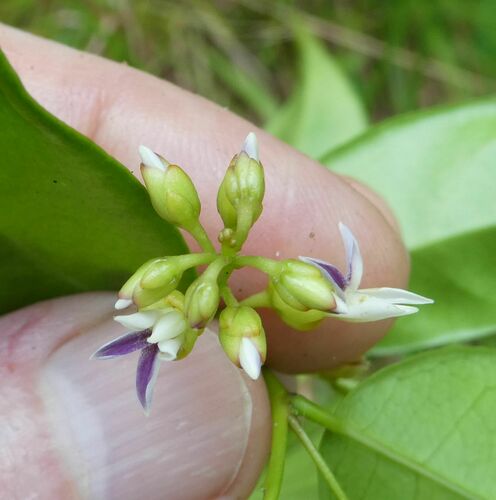
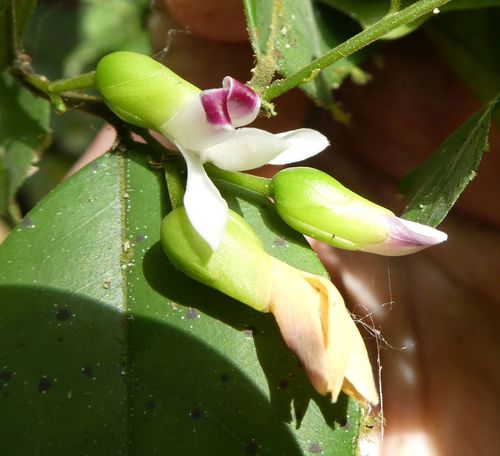
A tree. It grows 40 m tall. The leaves are alternate and simple. They are hairy underneath. The flowers are 2 cm across. They are yellow to red. They are in groups. The fruit are about 2 cm across. They are greenish-brown. The seeds have a fleshy layer or aril around them.
How to Grow
A plant of the moist, lowland tropics. Grows in the wild on a range of soils from sandy to clayey.
Other Uses
The leaves, when spread over agricultural fields, deter pests. The wood is used locally.
Wikipedia
Source ↗Xanthophyllum rufum is a plant in the family Polygalaceae. The specific epithet rufum is from the Latin meaning 'reddish', referring to the colour of the twig hairs.
Notes
Also put in the Xanthophyllaceae family.
Names & Synonyms
Kayu ampang, Medang, Nyalin, Sembayang
References (2)
- Slik, F., www.asianplant.net
- World Checklist of Useful Plant Species 2020. Royal Botanic Gardens, Kew