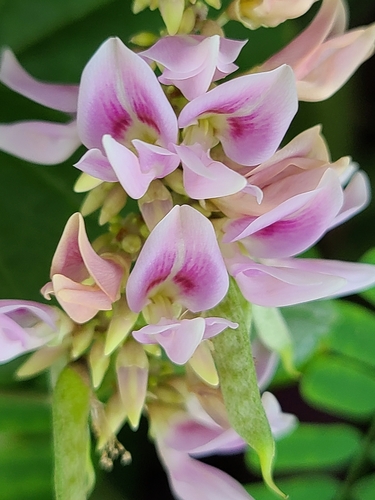
Inga auristellae
Harms
Sapo shimbillo, Goldenstar inga
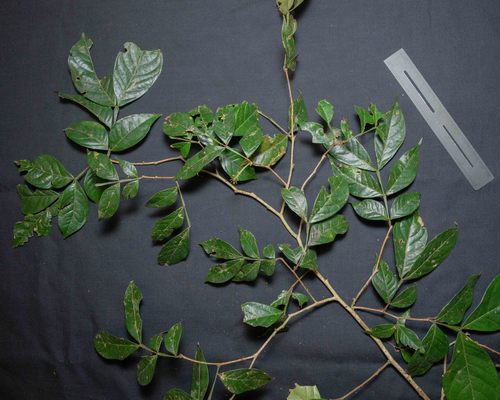
(c) Riley Fortier, some rights reserved (CC BY-NC), uploaded by Riley Fortier
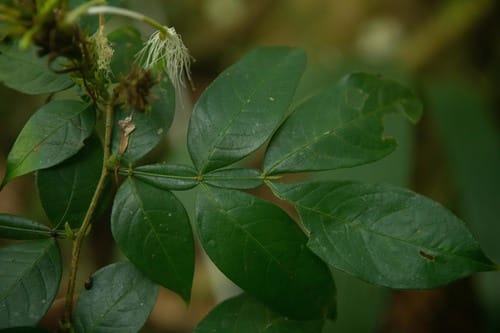
(c) Riley Fortier, some rights reserved (CC BY-NC)
What to Eat
Edible parts: Fruit - aril
The white pulp (aril) surrounding the seeds is eaten fresh from the pod.
Where to Find It
It is a tropical plant. It grows in the wetlands in Peru. In the Amazon basin it grows up to about 700 m above sea level.
Amazon, Bolivia, Brazil, Colombia, Ecuador, French Guiana, Guianas, Guyana, Peru*, South America, Suriname, Venezuela,
How to Identify
A tree. It grows about 12 m tall. The pods are green and 10-12 cm long by about 2 cm wide. There are about 9 seeds surrounded by white pulp. The pulp is edible.
How to Grow
Plants grow easily from seeds. Seeds germinate in 1-2 weeks given moisture and shade.
Production
Pods are collected during the rainy season.
Notes
Also as Mimosaceae.
Names & Synonyms
Chichiku pakay, Estralador, Kina kachi, Mimonkawe, Mimotahue, Momontan, Pilingas, Sisi pene, Son'yio
References (6)
- Grandtner, M. M. & Chevrette, J., 2013, Dictionary of Trees, Volume 2: South America: Nomenclature, Taxonomy and Ecology. Academic Press p 319
- Kermath, B. M., et al, 2014, Food Plants in the Americas: A survey of the domesticated, cultivated and wild plants used for Human food in North, Central and South America and the Caribbean. On line draft. p 436
- Philips, O., 1992, The potential for harvesting fruits in tropical rainforests: new data from Amazonian Peru. Biodiversity and Conservation 2, 18-38
- Roa, J. A. G. & Boada, D. S. G., 2018, Fundación para el Fortalecimiento de la Fruticultura y Plantas Alimenticias no Convencionales en Colombia.
- Smith, N., et al, 2007, Amazon River Fruits. Flavors for Conservation. Missouri Botanical Gardens Press. p 115
- Torre, de la, L., et al, 2008, Enciclopedia de las Plantas Útiles del Ecuador. Herbario QCA. Pontificia Universidad Católica del Ecuador. p 342