Lonchocarpus capassa
Rolfe
Northern omupanda
FabaceaeLeaves
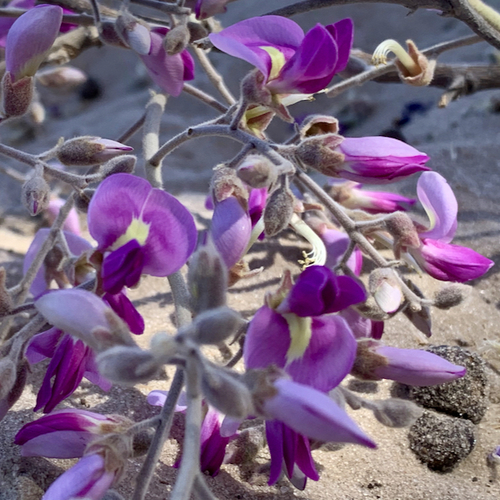
iNaturalist · cc-by-nc
(c) Riana Fourie, some rights reserved (CC BY-NC)
(c) Riana Fourie, some rights reserved (CC BY-NC)

iNaturalist · cc-by
(c) Alan Manson, some rights reserved (CC BY)
(c) Alan Manson, some rights reserved (CC BY)

iNaturalist · cc-by
(c) Alan Manson, some rights reserved (CC BY)
(c) Alan Manson, some rights reserved (CC BY)
What to Eat
Edible parts: Vegetable
Vegetables are prepared from this plant.
Where to Find It
It is a tropical plant. In Brisbane Botanical Gardens.
Africa, Australia, East Africa, Malawi, Mozambique,
Countries: Angola, Australia, Burkina Faso, Burundi, Benin, Botswana, Congo (DRC), Central African Republic, Congo (Republic), Cote d'Ivoire, Cameroon, Cape Verde, Djibouti, Algeria, Egypt, Eritrea, Ethiopia, Gabon, Ghana, Gambia, Guinea, Equatorial Guinea, Guinea-Bissau, Kenya, Comoros, Liberia, Lesotho, Libya, Morocco, Madagascar, Mali, Mauritania, Mauritius, Malawi, Mozambique, Namibia, Niger, Nigeria, Rwanda, Seychelles, Sudan, Sierra Leone, Senegal, Somalia, South Sudan, Sao Tome & Principe, Eswatini, Chad, Togo, Tunisia, Tanzania, Uganda, South Africa, Zambia, Zimbabwe
How to Identify
A tropical tree in the Fabaceae family found in Brisbane Botanical Gardens.
Names & Synonyms
Mpakasa
Capassa violacea KlotzschPhilenoptera violacea (Klotsch) Schrire(Separate species in The Plant List)
References (2)
- PROTA (As Lonchocarpus capassa)
- World Checklist of Useful Plant Species 2020. Royal Botanic Gardens, Kew




