Dysosma pleiantha

(Hance) Woodson

Chinese may apple

BerberidaceaeFruitPotential hazards — see below
Caution — Parts of this plant may be toxic or require specific preparation. Verify with multiple sources before consuming.
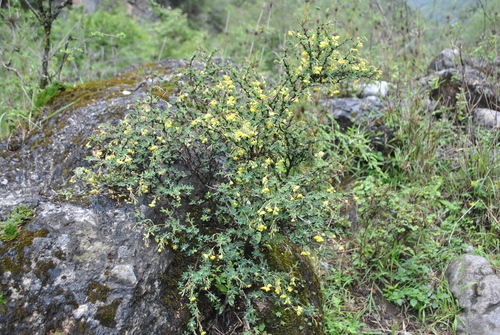
Dysosma pleiantha
iNaturalist · cc-by-nc-sa
(c) Chung-Yen, some rights reserved (CC BY-NC-SA), uploaded by Chung-Yen
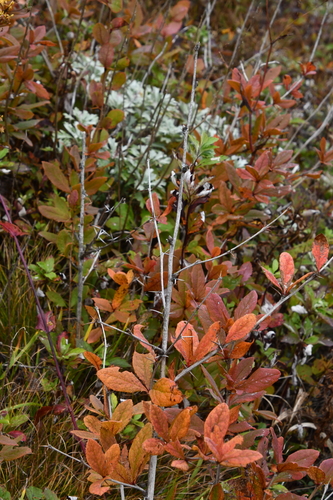
Dysosma pleiantha
iNaturalist · cc-by
(c) teresa lo, some rights reserved (CC BY)
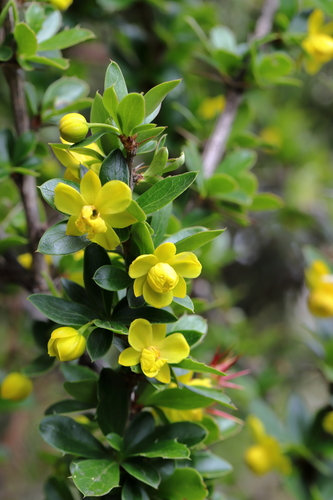
Dysosma pleiantha
iNaturalist · cc-by-nc
(c) annstro, some rights reserved (CC BY-NC)

What to Eat

Edible parts: Fruit, Caution

The ripe fruit are possibly eaten.

Known Hazards

Caution advised for fruit consumption.

Where to Find It

It is a warm temperate plant. It cannot tolerate frost. It can grow in light shade. It is best in moist acid soil. In southern China it grows between 400-1,600 m above sea level. It suits hardiness zones 6-8. In Sichuan.

Asia, China, North America, Taiwan, Tasmania, USA,

Countries: United Arab Emirates, Afghanistan, Antigua & Barbuda, Armenia, Australia, Azerbaijan, Barbados, Bangladesh, Bahrain, Brunei, Bahamas, Bhutan, Belize, Canada, China, Costa Rica, Cuba, Dominica, Dominican Republic, Grenada, Georgia, Guatemala, Honduras, Haiti, Indonesia, Israel, India, Iraq, Iran, Jamaica, Jordan, Japan, Kyrgyzstan, Cambodia, St Kitts & Nevis, North Korea, South Korea, Kuwait, Kazakhstan, Laos, Lebanon, St Lucia, Sri Lanka, Myanmar, Mongolia, Maldives, Mexico, Malaysia, Nicaragua, Nepal, Oman, Panama, Philippines, Pakistan, Puerto Rico, Qatar, Saudi Arabia, Singapore, El Salvador, Syria, Thailand, Tajikistan, Timor-Leste, Turkmenistan, Turkey, Trinidad & Tobago, Taiwan, United States, Uzbekistan, St Vincent, Vietnam, Yemen

How to Identify

A herb. It keeps growing from year to year. It grows 45 cm high and spreads 30 cm wide. It forms clumps. Each plant has a single stem and one or two large leaves at the top. These have 6-10 shallow lobes. The leaves are umbrella shaped and 30-40 cm wide. The flowers are in a cluster from the axil of the leaf. The flowers are deep red. The fruit are like berries. They can be yellow or red.

How to Grow

Plants can be grown from seeds. They also spread by rhizomes or underground stems.

Medicinal Uses

The roots have been used as an anticancer agent.

Notes

The roots have been used as an anticancer agent.

Names & Synonyms
Dysosma chengii (J. J. Chien) M. HiroeDysosma hispida (K. S. Hao) M. HiroePodophyllum chengii S. S. ChienPodophyllum hispidum K. S. HaoPodophyllum onzoi HayataPodophyllum pleianthum Hance
References (2)
  • Ferns, Plants For A Future
  • World Flora on LIne

More from Berberidaceae