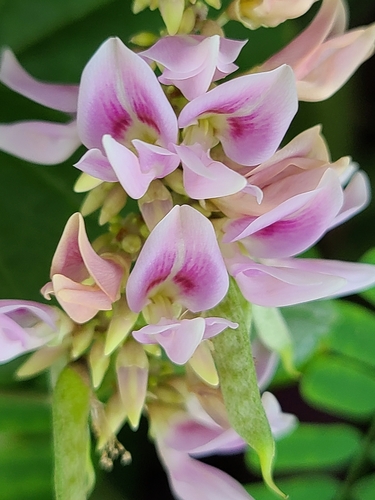
Inga stipularis
DC.
Guamita inga
(c) accidentalshrike, some rights reserved (CC BY-NC), uploaded by accidentalshrike
(c) accidentalshrike, some rights reserved (CC BY-NC), uploaded by accidentalshrike
(c) accidentalshrike, some rights reserved (CC BY-NC), uploaded by accidentalshrike
What to Eat
Edible parts: Fruit
Fruit - raw. The white pulp surrounding the seeds is eaten. The seedpod is up to 20cm long and 2cm wide.
Where to Find It
It is a tropical plant. It grows in rainforest and along the edges of marsh forests.
Amazon, Bolivia, Brazil, Colombia, Ecuador, French Guiana, Guianas, Guyana, Peru, South America, Suriname, Venezuela,
How to Identify
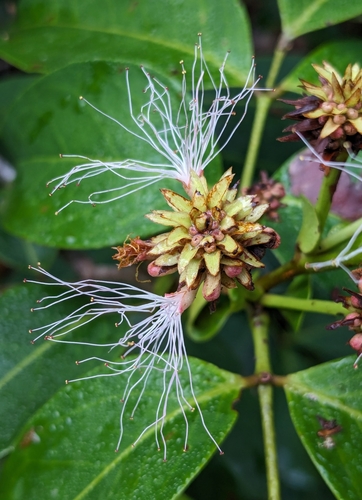
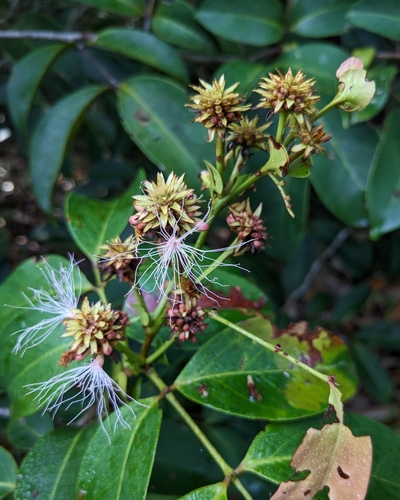
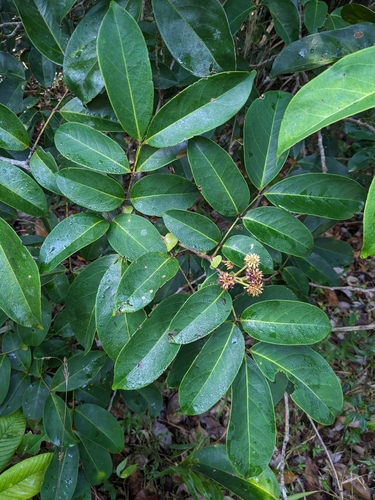
A tropical tree growing to 20 m tall, found in rainforests and along marsh forest edges. It produces elongated seed pods approximately 20 cm long by 2 cm wide containing seeds surrounded by edible pulp.
How to Grow
Plants are grown from seeds.
Other Uses
The wood of Inga species is generally attractive, but it has a coarse texture, is susceptible to attack by dry-wood termites and is not durable in the soil.
Other Information
It is a cultivated food plant.
Notes
Also as Mimosaceae.
Names & Synonyms
Guamita, Inga de orelha, Pois sucre, Swietieboontje, Warakosa, Warkusa
References (4)
- Fern, K., 2012, Tropical Species Database http://theferns.info/tropical/
- Grandtner, M. M. & Chevrette, J., 2013, Dictionary of Trees, Volume 2: South America: Nomenclature, Taxonomy and Ecology. Academic Press p 326
- INFOODSUpdatedFGU-list.xls
- Kew Plants of the World On line