Maytenus macrocarpa
(Ruiz & Pav.) Briq.
Staff tree
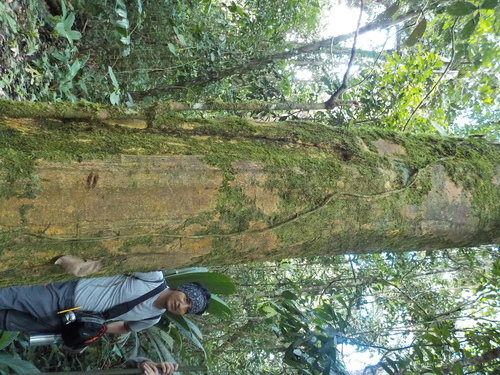
(c) Damian Zabala, some rights reserved (CC BY-NC), uploaded by Damian Zabala
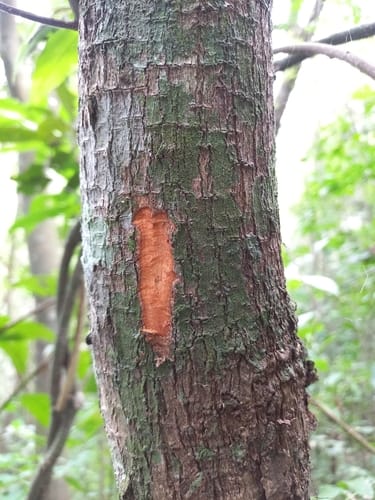
(c) Yetsin Vinces Rosillo, some rights reserved (CC BY-NC)
What to Eat
Edible parts: Bark - flavouring, Buds, Seeds - oil
The bark is boiled and chewed as a flavouring. Young buds are eaten. The seeds are processed to yield an edible oil.
Where to Find It
It is a tropical plant.
Bolivia, Brazil, Colombia, Ecuador, Peru, South America, Venezuela,
How to Identify
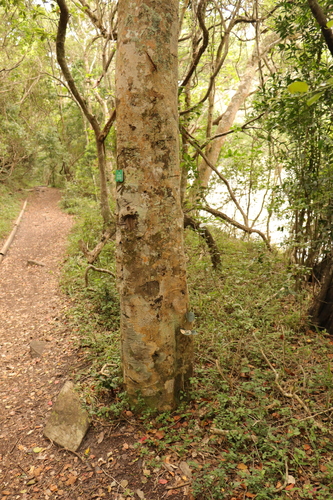
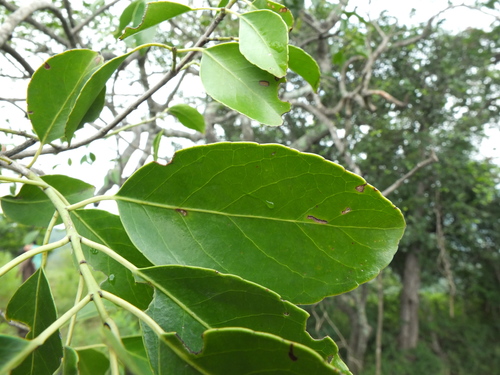
A tropical tree in the Celastraceae family.
Wikipedia
Source ↗Maytenus macrocarpa is a tree species native to the Amazon rainforest; it grows in Bolivia, Colombia, Ecuador, Peru, Venezuela, and northern Brazil. With a maximum recorded height of about 30 metres (98 ft), and leaves that span up to 30 centimetres (12 in) wide, this large tree contributes significantly to the forest canopy. In the Quechua languages the tree is called chuchuhuasi (alternately spelled chuchuasi) or chuchuhuasha (alternately spelled chucchu huashu, and sometimes shortened to chuchasha). This name in all its permutations means "trembling back", due to the bark's effectiveness in relieving back pain, as well as the discomforts of arthritis and rheumatism. Indigenous peoples of the Amazon drink decoctions and tinctures of the bark as an herbal tonic. Extracts of the bark of M. krukovii are antioxidant and somewhat antimutagenic. A person can chew the bark, but it tastes very bitter.
Names & Synonyms
Chuchuhuasi
References (3)
- Fl. peruv. 3:8, fig. 230b. 1802 (As Celastrus macrocarpus Ruiz. & Pav.)
- INFOODSUpdatedFGU-list.xls
- Kew Plants of the World Online