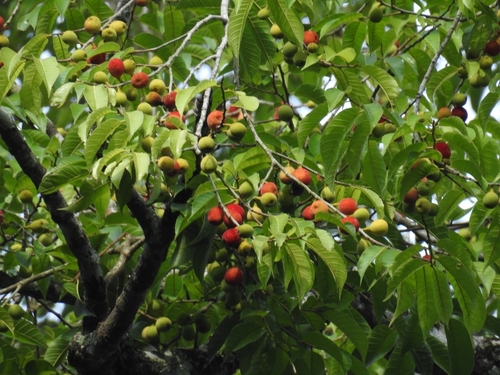
Ficus tsjahela
Burm. f.
MoraceaeBark/Sap
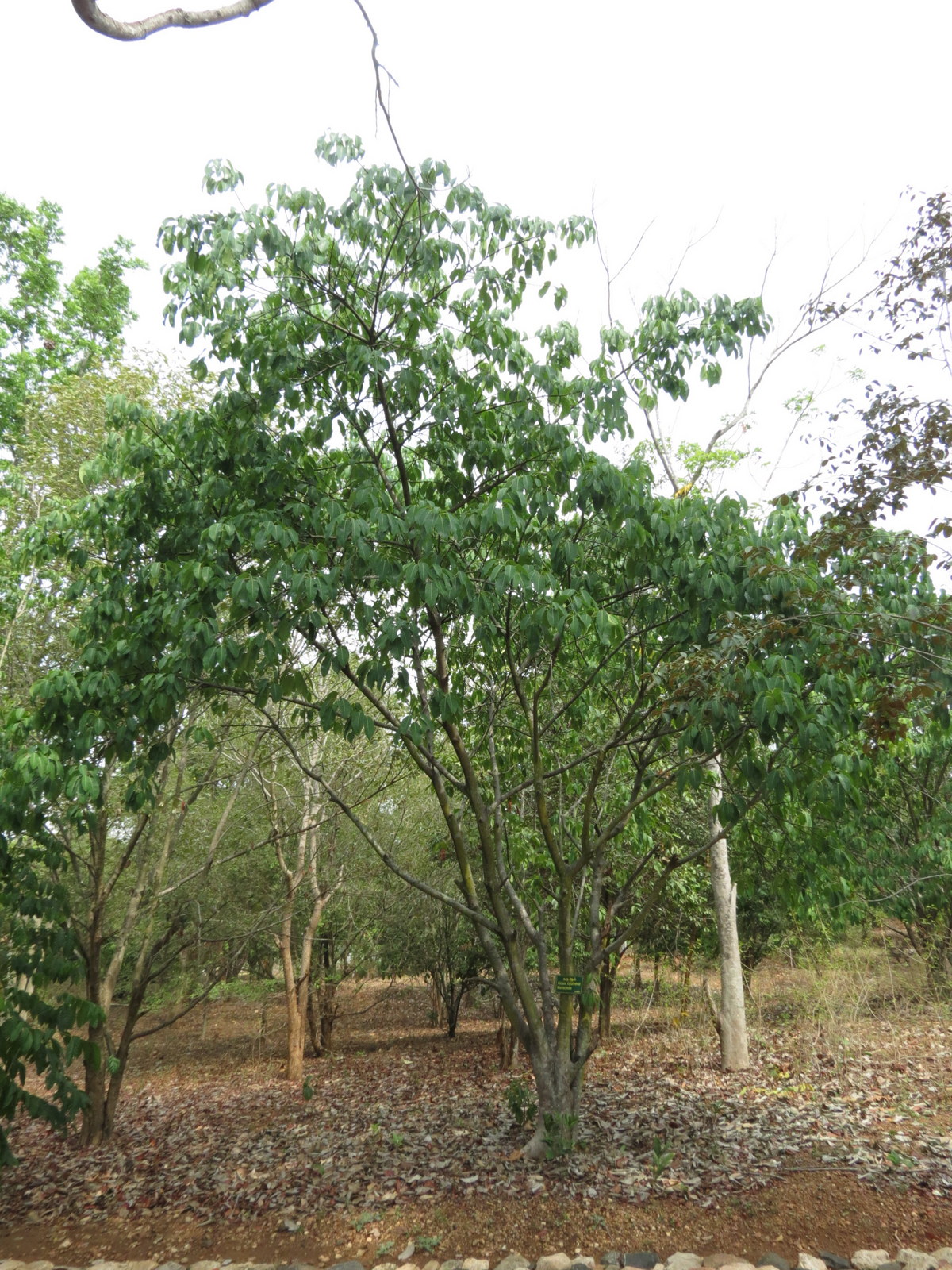
Wikipedia · cc-by-sa
Wikimedia Commons - Ficus_Tsjahela_15.JPG
Wikimedia Commons - Ficus_Tsjahela_15.JPG
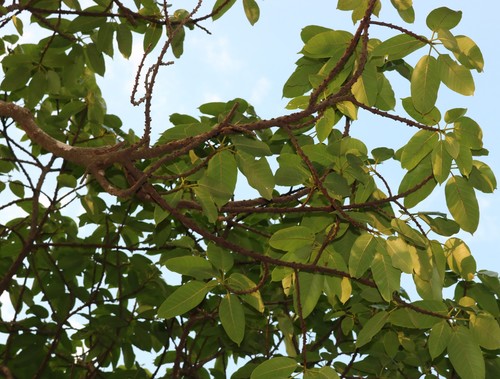
iNaturalist · cc-by-nc
(c) Shiwalee Samant, some rights reserved (CC BY-NC)
(c) Shiwalee Samant, some rights reserved (CC BY-NC)
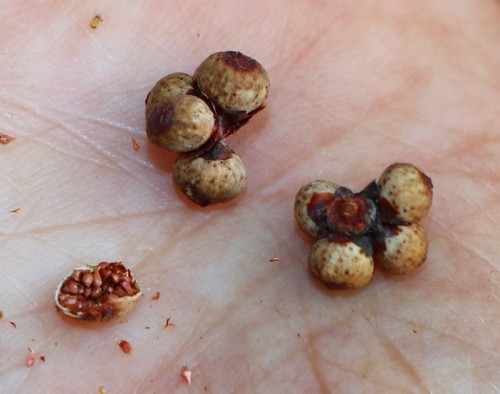
iNaturalist · cc-by-nc
(c) Shiwalee Samant, some rights reserved (CC BY-NC)
(c) Shiwalee Samant, some rights reserved (CC BY-NC)
What to Eat
Edible parts: Bark
The bark is chewed with betel leaves.
Where to Find It
It is a tropical plant. It grows in valleys and along streams in moist areas. It grows between 200-2,400 m above sea level.
Asia, China, India,
Countries: United Arab Emirates, Afghanistan, Armenia, Azerbaijan, Bangladesh, Bahrain, Brunei, Bhutan, China, Georgia, Indonesia, Israel, India, Iraq, Iran, Jordan, Japan, Kyrgyzstan, Cambodia, North Korea, South Korea, Kuwait, Kazakhstan, Laos, Lebanon, Sri Lanka, Myanmar, Mongolia, Maldives, Malaysia, Nepal, Oman, Philippines, Pakistan, Qatar, Saudi Arabia, Singapore, Syria, Thailand, Tajikistan, Timor-Leste, Turkmenistan, Turkey, Taiwan, Uzbekistan, Vietnam, Yemen
How to Identify
A fig. It is a shrub or small tree. It grows 4-6 m tall. The bark is coarse and greyish-brown. The leaves are oval and 3-12 cm long. The figs are in clusters at the base of the old stems. The figs are oval and 2-4 cm long by 2 cm wide.
Wikipedia
Source ↗Ficus tsjahela is a fig tree from the family Moraceae which is found in peninsular India and Sri Lanka. It is commonly known as the kaaral in Malayalam, kal-aal in Tamil and boviyamara in Kannada.
References (1)
- Narayanan, M. K., R., et al, 2011, Ethnobotanically important trees and their uses by Kattunaikka tribe in Wayanad Wildlife Sanctuary, Kerala, India. Journal of Medicinal Plants research. 5(4): 704-612