Cadaba fruticosa
(L.) Druce
Indian cadaba
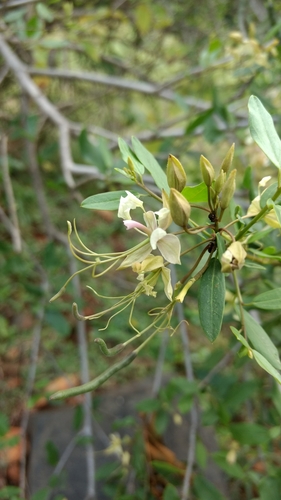
no rights reserved, uploaded by Ajit Ampalakkad

(c) Rama Aadhithan, some rights reserved (CC BY-NC)
What to Eat
Edible parts: Leaves, Fruit
The leaves are made into soup with added flavourings, and the fruit are pickled with lime juice.
Where to Find It
It is a tropical plant.
Asia, Bangladesh, India, Myanmar, Pakistan, SE Asia, Sri Lanka,
How to Identify
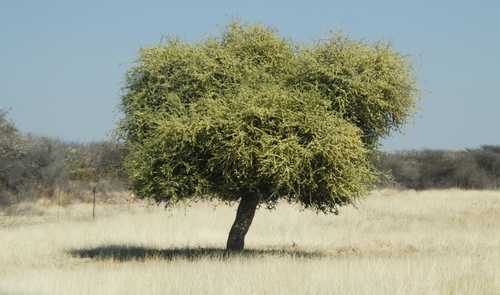
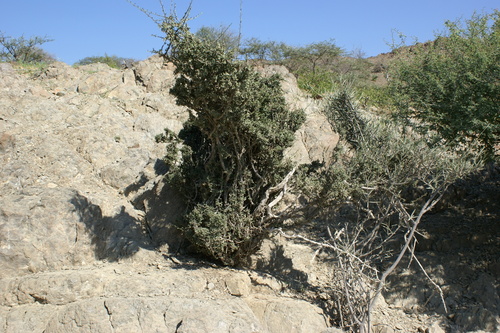
A climbing shrub. It grows 5 m tall. The leaves are alternate and oval with rounded tips. The flowers are in groups at the end of branches. The flowers have 4 petals. The fruit are cylinder shaped and leathery.
Medicinal Uses
Used in medicine with potential anticancer activity.
Wikipedia
Source ↗Cadaba fruticosa is a species of plant in the family Capparaceae. It is endemic on Indian Subcontinent: Bangladesh, India, Pakistan, Sri Lanka and Indo-China: Myanmar. Its habitat includes the dry parts of the Gangetic plain, down through the Vindhya range, to Deccan thorn scrub forests South India. It is threatened by habitat loss. It is known from Pakistan and Bangladesh to the Gangetic plains, south to Madhya Pradesh, Maharashtra and Telangana. It is found in Rayalaseema, central and eastern parts of Karnataka and south to Tamil Nadu, west to rainshadow regions around Palakkad and Punalur. In Tamil Nadu, Cadaba fruticosa is known as '"vizhuthi"(Tamil: விழுதி (viļuti)) and used in Siddha medicine for more than 2000 years. The juice of the leaves is especially used to cure gonorrhoea (Tamil: வெண்மேகம் (věṇmēkam)).
Notes
It is used in medicine. It has potential anticancer activity.
Names & Synonyms
Dabi, Habal, Kali taykay, Kodhab, Piluka, Vizhudhi
References (2)
- Prachi, K., et al, 2012, Underutilized wild fruits of North Maharashtra. Journal of Research in Plant Sciences. (2012) 1:071-076
- Tamil herbs, 2007, Edible Plants of the Tropical Dry Evergreen Forest.