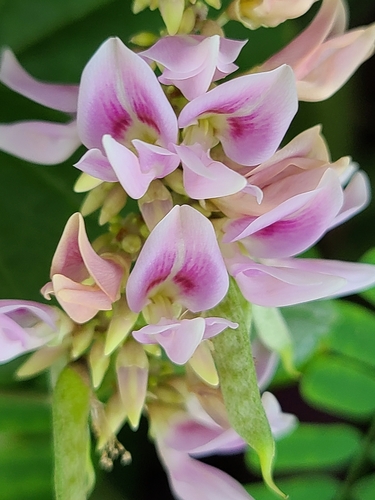
Stylosanthes biflora
(L.) Britton & al.

(c) endersmoothie, some rights reserved (CC BY-NC)
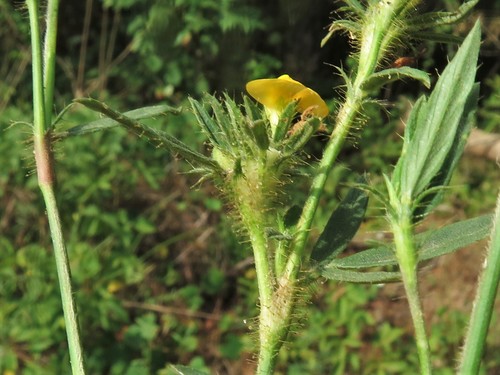
(c) jim_keesling, some rights reserved (CC BY-NC)
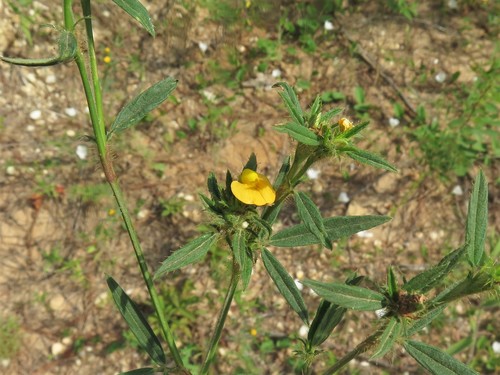
(c) jim_keesling, some rights reserved (CC BY-NC)
What to Eat
None known.
How to Identify
Stylosanthes biflora is a perennial growing to 0.5 m tall and wide at a fast rate, hardy to UK zone 5. Flowers are bee-pollinated and the plant fixes nitrogen. It grows in light sandy, medium loamy, and heavy clay soils, prefers well-drained conditions, and tolerates poor soil fertility. It thrives in mildly acidic or neutral soils, semi-shade (light woodland) or full sun, and tolerates both dry and moist soils with good drought resistance. The plant is noted for attracting wildlife.
How to Grow
Propagation: Propagate by seed.
Medicinal Uses
None known.
Other Uses
Stylosanthes biflora fixes nitrogen and provides shelter for insects and other arthropods. Its foliage is highly palatable to hoofed mammalian herbivores.
Wikipedia
Source ↗Stylosanthes biflora, known by the common names pencil flower, sidebeak pencilflower, and endbeak pencilflower, is a species of flowering plant in the Fabaceae (legume) family. It is native to the Southeastern United States where it is widespread in open areas of native vegetation. It produces yellow-orange flowers in the summer and fall. This species is highly variable throughout its range, and numerous species had previously been segregated out of it. However, their morphological differences have been found to be so overlapping that the former segregates are now considered the same species.
Names & Synonyms
References (1)
- Jackes, D. A., 2007, Edible Forest Gardens