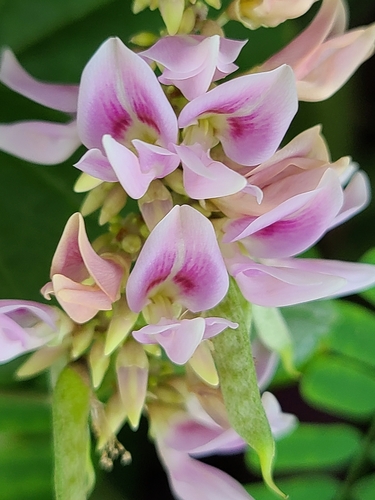
Vicia lutea
L.
FabaceaeSeeds/Nuts

iNaturalist · cc-by-nc
(c) Avelino Vieira, some rights reserved (CC BY-NC), uploaded by Avelino Vieira
(c) Avelino Vieira, some rights reserved (CC BY-NC), uploaded by Avelino Vieira
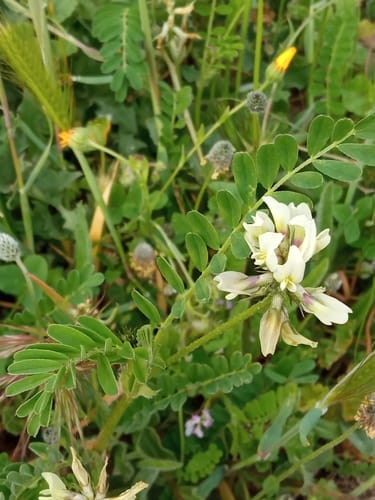
iNaturalist · cc-by-nc
(c) leticial, some rights reserved (CC BY-NC)
(c) leticial, some rights reserved (CC BY-NC)

iNaturalist · cc-by-nc
(c) Елена Миськова, some rights reserved (CC BY-NC)
(c) Елена Миськова, some rights reserved (CC BY-NC)
What to Eat
Edible parts: Seeds
The unripe seeds are eaten as a snack, and the ripe seeds are milled and mixed with wheat flour to make bread.
Where to Find It
It is a Mediterranean plant.
Europe, Luxembourg, Slovenia, Spain,
Countries: Andorra, Albania, Austria, Bosnia & Herzegovina, Belgium, Bulgaria, Belarus, Switzerland, Cyprus, Czechia, Germany, Denmark, Estonia, Spain, Finland, France, United Kingdom, Greece, Croatia, Hungary, Ireland, Iceland, Italy, Liechtenstein, Lithuania, Luxembourg, Latvia, Monaco, Moldova, Montenegro, North Macedonia, Malta, Netherlands, Norway, Poland, Portugal, Romania, Serbia, Russia, Sweden, Slovenia, Slovakia, San Marino, Ukraine
How to Identify
An herb of the Fabaceae family found in Mediterranean regions.
Wikipedia
Source ↗Vicia lutea (yellow vetch, smooth yellow vetch) is a species of flowering plant in the bean family Fabaceae.
Names & Synonyms
Alverja, Arveja, Rumena grašica, Veza
References (3)
- Gonzalez, J. A., et al, 2011, The consumption of wild and semi-domesticated edible plants in the Arribes del Duero (Salamanca-Zamora, Spain): an analysis of traditional knowledge. Genetic. Resour Crop Evolution 58:991-1006
- http://www.botanic-gardens-ljubljana.com/en/plants
- Tardio, J., et al, Ethnobotanical review of wild edible plants in Spain. Botanical J. Linnean Soc. 152 (2006), 27-71