Toxicodendron wallichii
(Hook. f.) Kuntze

iNaturalist · cc-by-nc
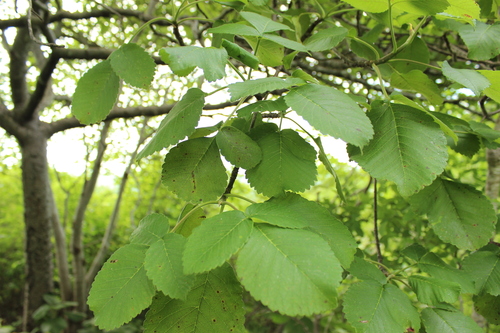
(c) Suresh Ghimire, some rights reserved (CC BY-NC), uploaded by Suresh Ghimire
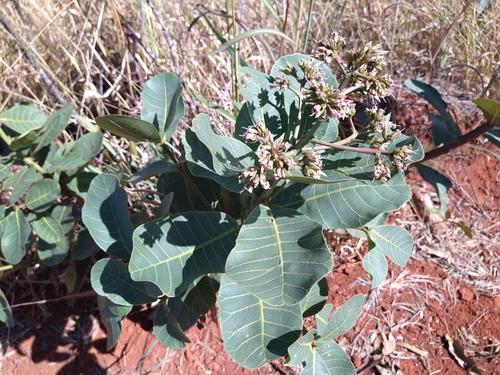
(c) Suresh Ghimire, some rights reserved (CC BY-NC), uploaded by Suresh Ghimire
iNaturalist · cc-by
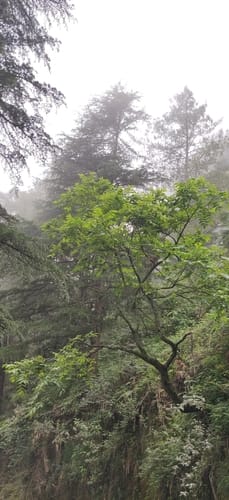
(c) T R Shankar Raman, some rights reserved (CC BY)
(c) T R Shankar Raman, some rights reserved (CC BY)
What to Eat
Edible parts: Fruit
The fruit pulp is eaten.
Known Hazards
Where to Find It
It is a temperate plant. In Yunnan. In Sikkim it grows between 500-2,000 m above sea level.
Asia, China, Himalayas, Nepal, Sikkim, Tibet,
Countries: United Arab Emirates, Afghanistan, Armenia, Azerbaijan, Bangladesh, Bahrain, Brunei, Bhutan, China, Georgia, Indonesia, Israel, India, Iraq, Iran, Jordan, Japan, Kyrgyzstan, Cambodia, North Korea, South Korea, Kuwait, Kazakhstan, Laos, Lebanon, Sri Lanka, Myanmar, Mongolia, Maldives, Malaysia, Nepal, Oman, Philippines, Pakistan, Qatar, Saudi Arabia, Singapore, Syria, Thailand, Tajikistan, Timor-Leste, Turkmenistan, Turkey, Taiwan, Uzbekistan, Vietnam, Yemen
How to Identify
A tree. It grows 5-7 m tall. The branches have a rusty coating. The leaves are compound with leaflets along the stalk and one at the end. The leaves are 30 cm long and there are 7-11 leaflets opposite each other. The leaflets are 10-13 cm long by 5-7 cm wide. There are rusty hairs underneath. The flowers are in a panicle 12-15 cm long. The flowers are pale yellow. The fruit is round and has small hairs. They are 8-10 mm across.
Names & Synonyms
Kag bhalayo, Valayo
Rhus junglandifolia Wall.Rhus wallichii Hook.f.
References (4)
- Dangol, D. R. et al, 2017, Wild Edible Plants in Nepal. Proceedings of 2nd National Workshop on CUAOGR, 2017.
- Gautam, R. S., et al, 2020, Wild Edible Fruits of Nepal. Int. J. Appl. Sci. Biotechnol. Vol 8(3): 289-304
- Gautam, R. S., et al, 2022, Ethnobotanical Review of Wild Edible Plants of Nepal. Journal of Natural History Museum Volume 32, 2021-22 p 103
- Uprety, Y., et al, 2012, Diversity of use and local knowledge of wild edible plant resources in Nepal. Journal of Ethnobotany and Ethnomedicine 8:16 (As Rhus wallichii)