Silene napuligera
Franch.
CaryophyllaceaeFlowers

gbif · cc-by-nc
Field Museum of Natural History - Botany Department
Field Museum of Natural History - Botany Department

gbif · cc-by-nc
Field Museum of Natural History - Botany Department
Field Museum of Natural History - Botany Department

gbif · cc-by-nc
Field Museum of Natural History - Botany Department
Field Museum of Natural History - Botany Department
What to Eat
Edible parts: Flowers - nectar
The flower nectar is consumed.
Where to Find It
It is a subtropical plant. In Sichuan and Yunnan. It grows between 1,500-3,600 m above sea level.
Asia, China, Himalayas, Tibet,
Countries: United Arab Emirates, Afghanistan, Armenia, Azerbaijan, Bangladesh, Bahrain, Brunei, Bhutan, China, Georgia, Indonesia, Israel, India, Iraq, Iran, Jordan, Japan, Kyrgyzstan, Cambodia, North Korea, South Korea, Kuwait, Kazakhstan, Laos, Lebanon, Sri Lanka, Myanmar, Mongolia, Maldives, Malaysia, Nepal, Oman, Philippines, Pakistan, Qatar, Saudi Arabia, Singapore, Syria, Thailand, Tajikistan, Timor-Leste, Turkmenistan, Turkey, Taiwan, Uzbekistan, Vietnam, Yemen
How to Identify
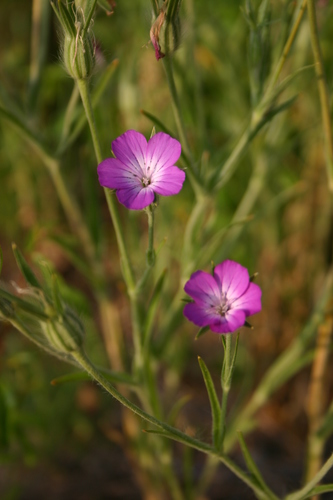
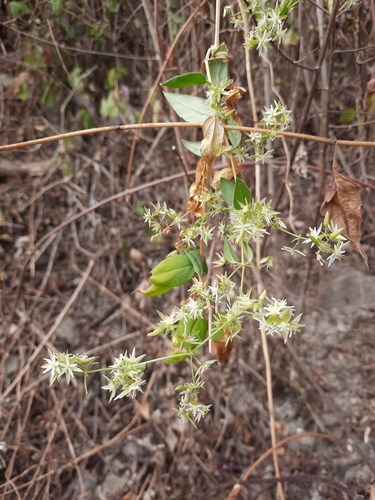
A herb. It keeps growing from year to year. The roots are in clusters. The stems are 20-50 cm tall. They are branched and hairy. The leaves are narrowly sword shaped and 2-6 cm long by 2-4 mm wide.
References (1)
- Weckerle, C. S., et al, 2006, Plant Knowledge of the Shuhi in the Hengduan Mountains, Southwest China. Economic Botany 60(1):2-23