Tridesmostemon omphalocarpoides
Engl.
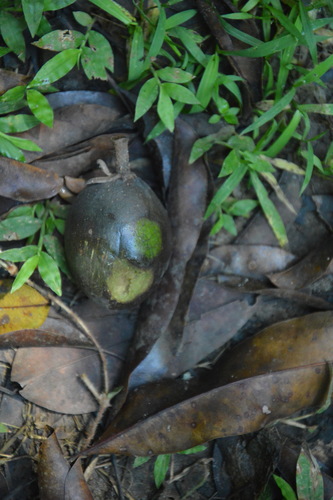
SapotaceaeFruit

iNaturalist · cc-by-nc
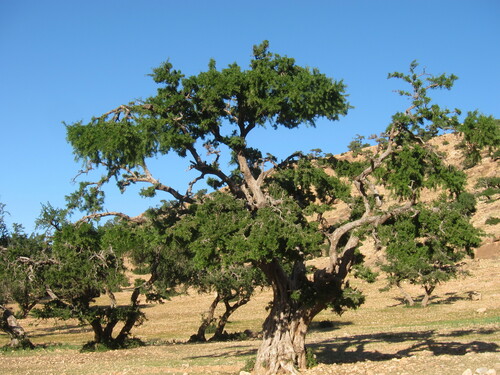
(c) Bart Wursten, some rights reserved (CC BY-NC), uploaded by Bart Wursten
(c) Bart Wursten, some rights reserved (CC BY-NC), uploaded by Bart Wursten

iNaturalist · cc-by-nc
(c) Bart Wursten, some rights reserved (CC BY-NC)
(c) Bart Wursten, some rights reserved (CC BY-NC)
What to Eat
Edible parts: Fruit
The fruit are eaten.
Where to Find It
It is a tropical plant.
Africa, Cameroon, Central Africa, Central African Republic, CAR, Congo DR, Gabon,
Countries: Angola, Burkina Faso, Burundi, Benin, Botswana, Congo (DRC), Central African Republic, Congo (Republic), Cote d'Ivoire, Cameroon, Cape Verde, Djibouti, Algeria, Egypt, Eritrea, Ethiopia, Gabon, Ghana, Gambia, Guinea, Equatorial Guinea, Guinea-Bissau, Kenya, Comoros, Liberia, Lesotho, Libya, Morocco, Madagascar, Mali, Mauritania, Mauritius, Malawi, Mozambique, Namibia, Niger, Nigeria, Rwanda, Seychelles, Sudan, Sierra Leone, Senegal, Somalia, South Sudan, Sao Tome & Principe, Eswatini, Chad, Togo, Tunisia, Tanzania, Uganda, South Africa, Zambia, Zimbabwe
How to Identify
A tropical tree in the Sapotaceae family that grows to approximately 25 m tall. It produces edible fruit.
Production
In Central African Republic flowers have been recorded in January and March and fruit in January and June.
Names & Synonyms
Sesenge
Sideroxylon gossweileri GrevesTridesmostemon claessensii De Wild.Tridesmostemon mortehani De Wild.
References (1)
- Liengola, I. B., 2001, A contribution to the study of native edible plants by the Turumbu and Lokele of the Tshopo District, Province Orientale, D. R. Congo. Syst. Geogr. Pl. 71:687-698