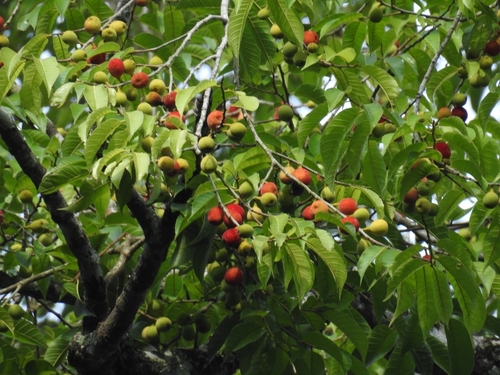
Ficus pyriformis
Hook. & Arn.
iNaturalist · cc-by-nc
(c) johnallcock, some rights reserved (CC BY-NC)
(c) johnallcock, some rights reserved (CC BY-NC)
iNaturalist · cc-by-nc
(c) johnallcock, some rights reserved (CC BY-NC)
(c) johnallcock, some rights reserved (CC BY-NC)
iNaturalist · cc-by-nc
(c) johnallcock, some rights reserved (CC BY-NC)
(c) johnallcock, some rights reserved (CC BY-NC)
Where to Find It
It is a subtropical plant. It grows up to 2,300 m above sea level. It grows in wet areas near streams.
Asia, China, Indochina, Laos, SE Asia, Thailand, Vietnam,
Countries: United Arab Emirates, Afghanistan, Armenia, Azerbaijan, Bangladesh, Bahrain, Brunei, Bhutan, China, Georgia, Indonesia, Israel, India, Iraq, Iran, Jordan, Japan, Kyrgyzstan, Cambodia, North Korea, South Korea, Kuwait, Kazakhstan, Laos, Lebanon, Sri Lanka, Myanmar, Mongolia, Maldives, Malaysia, Nepal, Oman, Philippines, Pakistan, Qatar, Saudi Arabia, Singapore, Syria, Thailand, Tajikistan, Timor-Leste, Turkmenistan, Turkey, Taiwan, Uzbekistan, Vietnam, Yemen
How to Identify
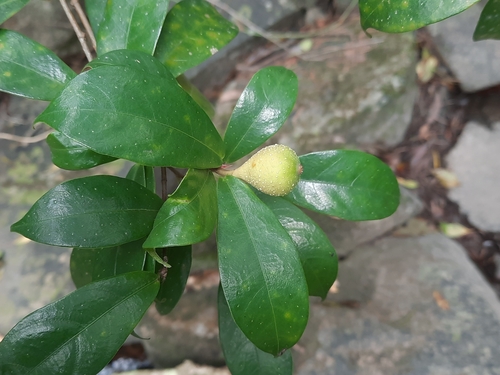
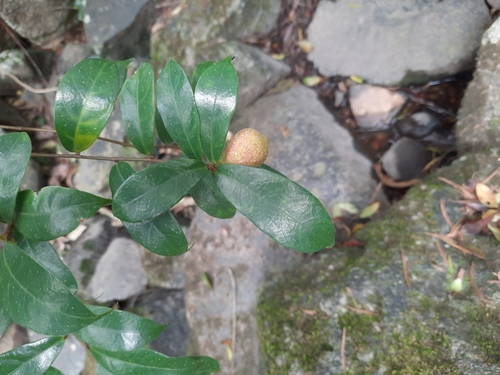
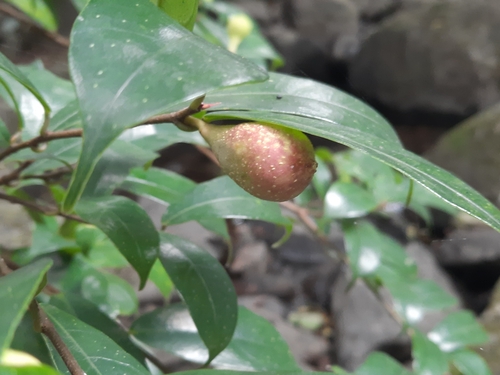
A fig. It is a shrub or small tree. It grows 1-2 m tall. The branches are hairy. The leaves have a long tapering tip. They are 4-11 cm long by 2-4 cm wide. They are papery. The figs are in the axils of leafy shoots.
Production
In southern China plants flower from December to June.
Names & Synonyms
Ficus milletii Miq.Ficus millettii Miq.Ficus pyriformis var. brevifolia Gagnep.Ficus pyriformis var. hirtinervis S. S. ChangFicus rectinervia Merr.
References (4)
- Gamble, J. S., 1878, List of trees, shrubs and climbers from Darjeeling.
- Kachenchart, B., et al, 2008, Phenology of Edible Plants at Sakaerat Forest. In Proceedings of the FORTROP II: Tropical Forestry Change in a Changing World. Bangkok, Thailand.
- Reis, S. V. and Lipp, F. L., 1982, New Plant Sources for Drugs and Foods from the New York Botanical Garden herbarium. Harvard. p 42
- Flora of China @ efloras.org Volume 5