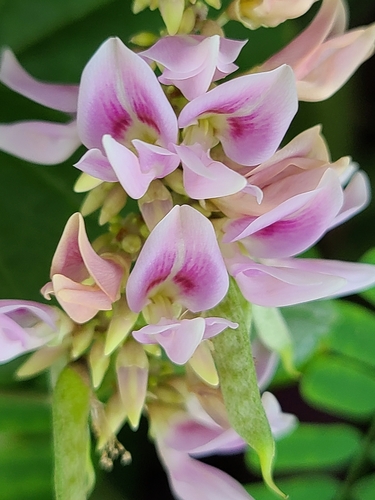
Saraca thaipingensis
Cantley ex Prain
Yellow saraca
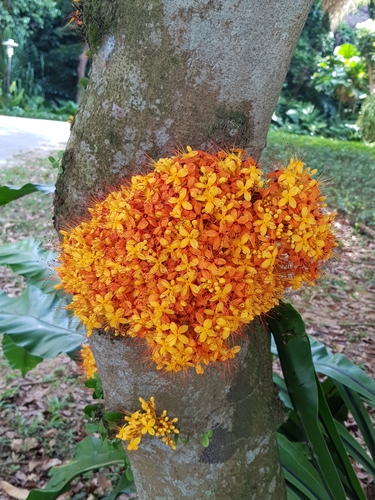
(c) Cheongweei Gan, some rights reserved (CC BY-NC), uploaded by Cheongweei Gan
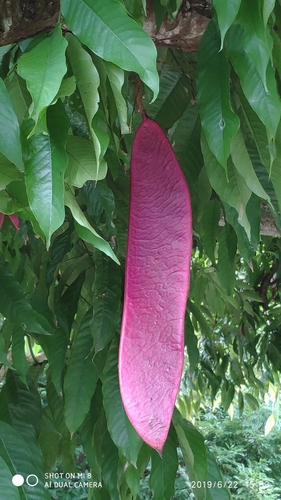
(c) SunGW, some rights reserved (CC BY-NC), uploaded by SunGW
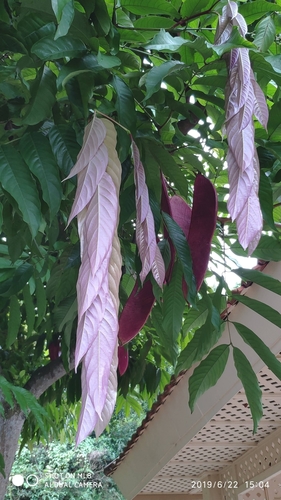
(c) SunGW, some rights reserved (CC BY-NC), uploaded by SunGW
What to Eat
Edible parts: Leaves, Seeds
Young leaves and leaf tips are eaten fresh, and seeds are cooked and eaten.
Where to Find It
It is a tropical plant. It grows in limestone areas. In Cairns BG. In Townsville Quuens BG.
Asia, Australia, Indochina, Malaysia, Myanmar, SE Asia, Singapore, Sri Lanka, Thailand, Vietnam,
How to Identify
A tropical tree 6–10 m tall with long leaves (30–50 cm) that grows in limestone areas. It is a cultivated plant found in botanical gardens.
Wikipedia
Source ↗Saraca thaipingensis is a tree species native to southeast Asia in the family Fabaceae. It has yellow flowers, borne on old wood, and is grown as an ornamental for floral effect. Common names include yellow ashoka and yellow saraca.
Other Information
It is a cultivated plant.
Notes
Also as Caesalpinaceae.
Names & Synonyms
Klaat, Vanganh malai
References (2)
- Ong, H., et al, 2012, Traditional knowledge and usage of edible plants among the Semai community of Kampung Batu 16, Tapah, Perak, Malaysia. Scientific Research and Essays Vol. 7(4), pp. 441-445, 30 January, 2012
- Thitiprasert, W., et al, 2007, Country report on the State of Plant Genetic Resources for Food and Agriculture in Thailand (1997-2004). FAO p 95