Opuntia quimilo
K. Schum.

(c) Nicolas Olejnik, some rights reserved (CC BY), uploaded by Nicolas Olejnik

(c) rocio2091, some rights reserved (CC BY-NC), uploaded by rocio2091

(c) Nicolas Olejnik, some rights reserved (CC BY), uploaded by Nicolas Olejnik
What to Eat
Edible parts: Fruit
The ripe fruit are eaten raw, and the fruit pulp is eaten as a vegetable in salads or cooked with other fruit.
Known Hazards
Where to Find It
It is a subtropical plant.
Argentina, Bolivia, Paraguay, South America,
How to Identify
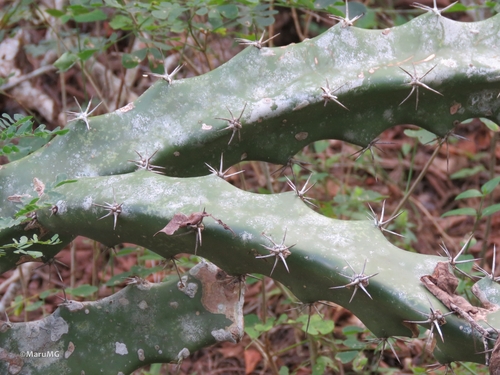
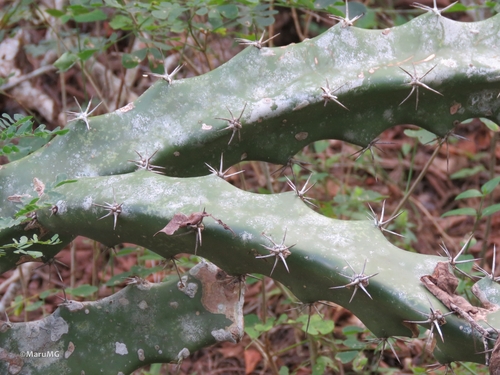
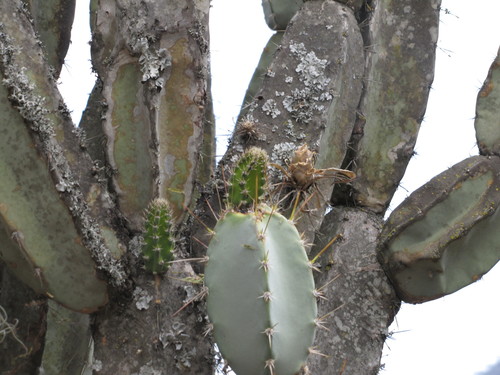
A tree-like cactus with flat pads and yellowish-green fruit. It is a subtropical species.
Medicinal Uses
We have no specific information on medicinal uses for this species, but the following notes are likely to apply universally to Opuntia species and other related genera. The flesh of tender young stem segments can be applied as a poultice to reduce inflammation. The mucilage and soluble fibre found in the flowers and stem segments have been shown to help control blood-sugar levels associated with adult-onset diabetes. There is clinical evidence that the soluble fibre in the stem segments helps reduce blood cholesterol levels.
Wikipedia
Source ↗Opuntia quimilo is a tree cactus and flowering plant species belonging to the Cactaceae family. It is found in north-central Argentina and is widespread in Bolivia.
Names & Synonyms
Anak hitioj, Kajutak, Kajwitak, Quimil, Quimiles, Quimilo, Tunilla
References (6)
- Arenas, P. and Scarpa, G. F., 2006, Edible wild plants of the Chorote Indians, Gran Chaco, Argentina. Botanical Journal of the Linnean Society. Vol. 153 (1): pp 73-85
- Kermath, B. M., et al, 2014, Food Plants in the Americas: A survey of the domesticated, cultivated and wild plants used for Human food in North, Central and South America and the Caribbean. On line draft. p 589
- Palmieri, V. S., et al, 2018, Aproximaciones etnobotánicas de las especies y prácticas de frutos nativos comestibles de la Actualidad. Aportes para la interpretación del pasado prehispánico de cerro colorado (Córdoba, Argentina). Bol. Soc. Argent. Bot. 53 (1): 115-133
- Palmeiri, V. S., & Geisa, M. G., 2019, Las plantas comestibles empleadas por las comunidades comechingonas de San Marcos Sierras (Córdoba, Argentina). Primeras aproximaciones. Bol. Soc. Argent. Bot. 54: 295-309.
- Polini, G., et al, Useful and edible plants of Paraguay Region of Chaco. p 44
- Scarpa, G. F., 2009, Wild food plants used by the indigenous peoples of South American Gran Chaco: A general synopsis and intercultural comparison. Journal of Applied Botany and Food Quality 83:90-101