Coluria geoides
(Pall.) Ledeb.
Siberian avens

(c) Aleksandr Ebel, some rights reserved (CC BY-NC), uploaded by Aleksandr Ebel
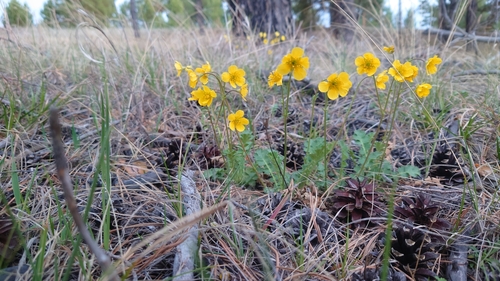
(c) Elena Shnayder, some rights reserved (CC BY-NC)
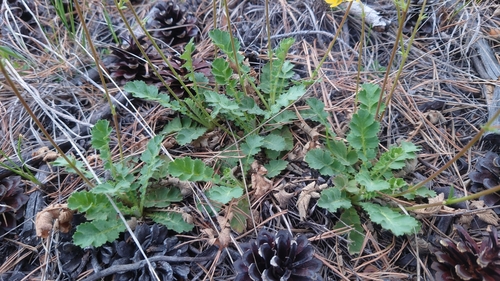
(c) Elena Shnayder, some rights reserved (CC BY-NC)
What to Eat
Edible parts: Root - spice
The root serves as a cinnamon substitute, with a strong smell and taste of cloves.
Where to Find It
It is a cold temperate plant.
Asia, Kazakhstan, Mongolia, Russia, Siberia, Ukraine,
How to Identify
A herb that keeps growing from year to year. It grows 30 cm tall and spreads 30 cm wide.
How to Grow
It can be grown by seed.
Propagation: Seed — sow in spring in a cold frame. Once large enough to handle, prick seedlings out into individual pots and grow on in the cold frame through their first winter, then plant out in late spring or early summer after the last expected frosts. Division is possible in spring or autumn and is very easy. Larger clumps can go directly into permanent positions, while smaller clumps are best potted up and grown on in a cold frame until rooting well, then planted out in summer or the following spring.
Medicinal Uses
None known
Other Uses
An essential oil is obtained from the plant (possibly from the root). The plant serves as a substitute for cloves (Eugenia caryophyllata).
Wikipedia
A low-growing perennial reaching 0.3 m tall and wide, suitable for light sandy, medium loamy, and heavy clay soils with good drainage. Tolerates mildly acid to basic pH and grows in semi-shade to full sun, preferring moist conditions. Flowers appear in June with seeds ripening in July. Hermaphroditic and self-fertile, pollinated by insects.
Names & Synonyms
References (3)
- Ferns, Plants For A Future
- Seidemann J., 2005, World Spice Plants. Economic Usage, Botany, Taxonomy. Springer. p 114
- Urgamal, M., Oyuntsetseg, B., Nyambayar, D. & Dulamsuren, Ch. 2014. Conspectus of the vascular plants of Mongolia. (Editors: Sanchir, Ch. & Jamsran, Ts.). Ulaanbaatar, Mongolia. “Admon“ Press. 334pp. (p. 143-158).
More from Rosaceae


