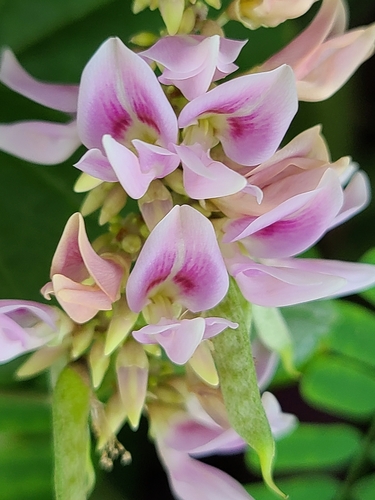
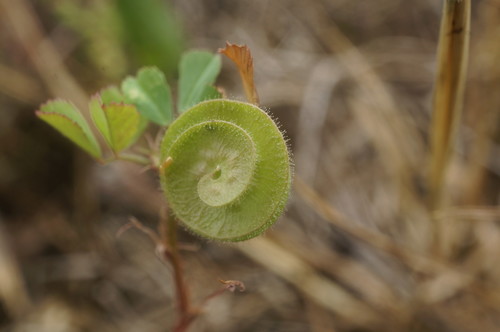
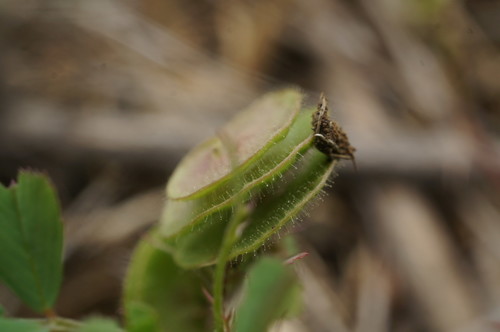
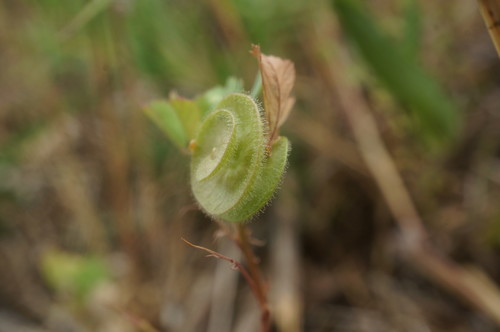
Medicago orbicularis
(L.) Bartal.
Flat podded medick
environmental engineeringfodder
iNaturalist · cc-by-nc
(c) Сергей, some rights reserved (CC BY-NC)
(c) Сергей, some rights reserved (CC BY-NC)
iNaturalist · cc-by-nc
(c) Сергей, some rights reserved (CC BY-NC)
(c) Сергей, some rights reserved (CC BY-NC)
iNaturalist · cc-by-nc
(c) Сергей, some rights reserved (CC BY-NC)
(c) Сергей, some rights reserved (CC BY-NC)
What to Eat
Edible parts: Fruit, Leaves - spice
The seed pods are edible and are foraged between March and May in Israel (Palestine).
Where to Find It
It is a Mediterranean climate plant.
Africa, Balkans, Central Asia, Jordan, Libya, Macedonia, Mediterranean, Middle East, Morocco, North Africa, Tajikistan, Turkey, Türkiye,
Countries: United Arab Emirates, Albania, Angola, Bosnia & Herzegovina, Burkina Faso, Bahrain, Burundi, Benin, Botswana, Congo (DRC), Central African Republic, Congo (Republic), Cote d'Ivoire, Cameroon, Cape Verde, Cyprus, Djibouti, Algeria, Egypt, Eritrea, Spain, Ethiopia, France, Gabon, Ghana, Gambia, Guinea, Equatorial Guinea, Greece, Guinea-Bissau, Croatia, Israel, Iraq, Iran, Italy, Jordan, Kenya, Kyrgyzstan, Comoros, Kuwait, Kazakhstan, Lebanon, Liberia, Lesotho, Libya, Morocco, Monaco, Montenegro, Madagascar, Mali, Mauritania, Malta, Mauritius, Malawi, Mozambique, Namibia, Niger, Nigeria, Oman, Qatar, Rwanda, Saudi Arabia, Seychelles, Sudan, Slovenia, Sierra Leone, Senegal, Somalia, South Sudan, Sao Tome & Principe, Syria, Eswatini, Chad, Togo, Tajikistan, Turkmenistan, Tunisia, Turkey, Tanzania, Uganda, Uzbekistan, Yemen, South Africa, Zambia, Zimbabwe
How to Identify
A herb.
Wikipedia
Source ↗Medicago orbicularis is a plant species found throughout the Mediterranean basin and along the European Black Sea coast. It forms a symbiotic relationship with the bacterium Sinorhizobium medicae, which is capable of nitrogen fixation. Common names include blackdisk medick, button clover, button medick, and round-fruited medick.
Names & Synonyms
Ennefla, Khbs al-rai, Paralik
References (3)
- Al-Qura'n, S. A., 2010, Ethnobotanical and Ecological Studies of Wild Edible Plants in Jordan. Libyan Agriculture Research Center Journal International 1(4):231-243
- Ertug, F, Yenen Bitkiler. Resimli Türkiye Florası -I- Flora of Turkey - Ethnobotany supplement
- Mahklouf, M. H., 2019, Ethnobotanical Study of Edible Wild Plants in Libya. European Journal of Ecology. 5(2): 30-40