Phyllodium pulchellum
(Benth) Desv.
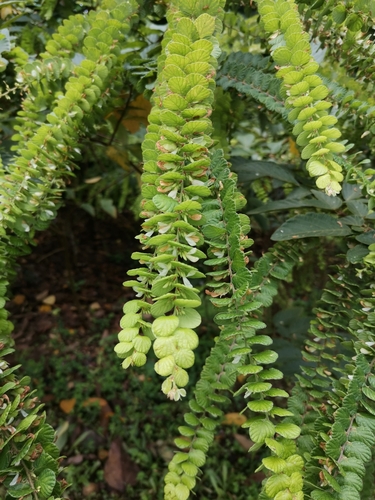
(c) lwy, some rights reserved (CC BY-NC)

(c) Stargazer, some rights reserved (CC BY-NC)

(c) Stargazer, some rights reserved (CC BY-NC)
What to Eat
Edible parts: Medicine
Where to Find It
It is a tropical plant. It grows in wasteland and mountain slopes between 200-2,000 m above sea level. In XTBG Yunnan.
Asia, Australia, China, Indochina, Laos, SE Asia, Taiwan, Thailand,
How to Identify
A shrub. It grows up to 2 m tall. The small branches have a white or grey coating. The leaves have leaflets and the end leaflet is oval and 6-10 cm long by 3-5 cm wide. The side leaflets are smaller. They are hairy underneath. The flowers are in groups of 5 or 6 with a pair of leaf like bracts around them. The flowers are white or pale yellow. The pods are 6 mm long by 3 mm wide.
How to Grow
This species has a symbiotic relationship with certain soil bacteria; these bacteria form nodules on the roots and fix atmospheric nitrogen. Some of this nitrogen is utilized by the growing plant but some can also be used by other plants growing nearby.
Medicinal Uses
The roots and leaves are used for reducing fever and as an antiphlogistic and diuretic. A decoction of the roots is used as a post partum protective medicine for mothers; to relieve liver dysfunctions; and also in the treatment of some psychotic symptoms, including delirium, fibrillation and weight loss, believed to be caused by black magic. The leaves are applied externally to treat pockmarks and ulcers. The whole plant is used in a post-partum treatment; to treat rheumatic fevers; to cure toothache; to help dissolve internal blood clots; and is also considered a remedy for convulsions in infants. A decoction of the bark is considered an antidote to poisoning, and is also used in the treatment of haemorrhages, diarrhoea, and to cure eye diseases. The flowers are used in the treatment of biliousness.
Wikipedia
Source ↗Phyllodium pulchellum is an Asian plant in the family Fabaceae.
Names & Synonyms
References (1)
- Khumgratok, S., Edible Plants in Cultural Forests of Northeastern Thailand. Mahasarakham University Thailand.




