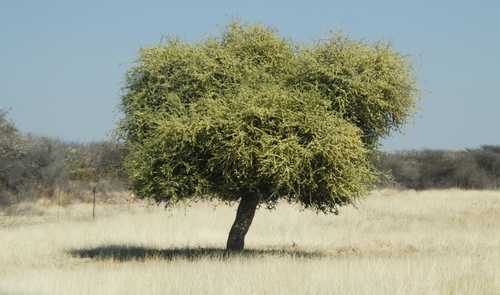
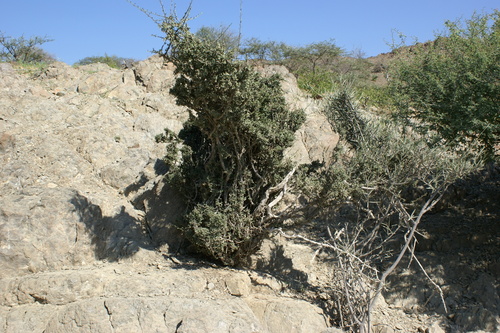
Capparis urophylla
F. Chun
CapparaceaeLeaves
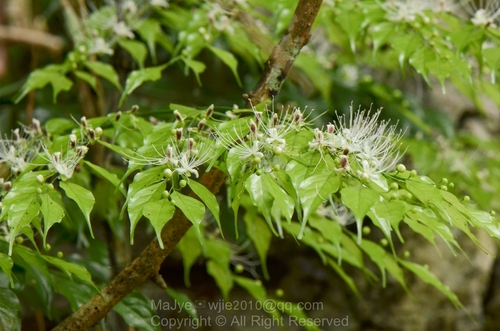
iNaturalist · cc-by-nc-nd
(c) fslpanttwo, some rights reserved (CC BY-NC-ND), uploaded by fslpanttwo
(c) fslpanttwo, some rights reserved (CC BY-NC-ND), uploaded by fslpanttwo

gbif · cc0
President and Fellows of Harvard College
President and Fellows of Harvard College

gbif · cc0
President and Fellows of Harvard College
President and Fellows of Harvard College
What to Eat
Edible parts: Leaves, Vegetable
The leaves are eaten as a vegetable and the plant is cultivated as a food crop.
Where to Find It
It is a tropical plant. It grows near streams and is often in limestone. It grows between 300-1,900 m above sea level in southern China. In Yunnan.
Asia, China, Laos, SE Asia,
Countries: United Arab Emirates, Afghanistan, Armenia, Azerbaijan, Bangladesh, Bahrain, Brunei, Bhutan, China, Georgia, Indonesia, Israel, India, Iraq, Iran, Jordan, Japan, Kyrgyzstan, Cambodia, North Korea, South Korea, Kuwait, Kazakhstan, Laos, Lebanon, Sri Lanka, Myanmar, Mongolia, Maldives, Malaysia, Nepal, Oman, Philippines, Pakistan, Qatar, Saudi Arabia, Singapore, Syria, Thailand, Tajikistan, Timor-Leste, Turkmenistan, Turkey, Taiwan, Uzbekistan, Vietnam, Yemen
How to Identify
A shrub. It grows 2.5 m tall. There are spines on the stems. The leaves are narrowly oval and 3-7 cm long.
Other Information
It is a cultivated food plant.
References (2)
- www.efloras.org Flora of China Volume 7
- Xu, You-Kai, et al, 2004, Wild Vegetable Resources and Market Survey in Xishuangbanna, Southwest China. Economic Botany. 58(4): 647-667.