Pluteus pellitus
(Pers.) P. Kumm.
PluteaceaeMushrooms

iNaturalist · cc-by
(c) Martin Cooper, some rights reserved (CC BY)
(c) Martin Cooper, some rights reserved (CC BY)
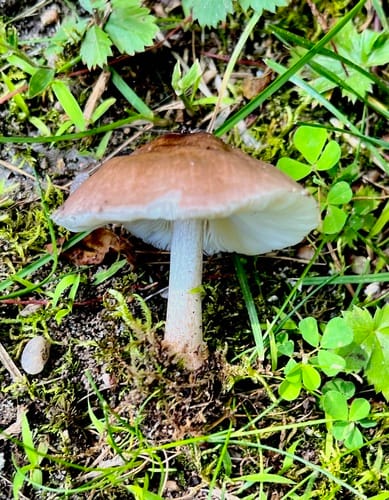
iNaturalist · cc-by-nc
(c) schmengy, some rights reserved (CC BY-NC)
(c) schmengy, some rights reserved (CC BY-NC)
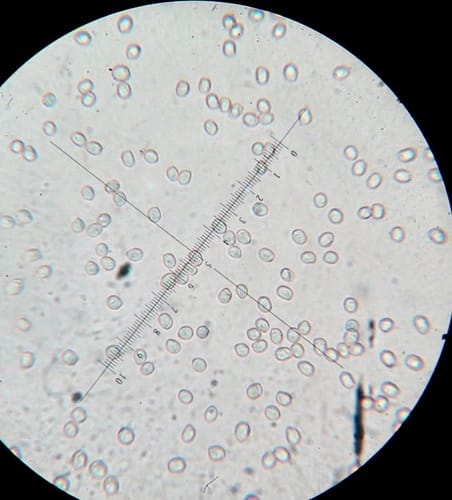
iNaturalist · cc-by-nc
(c) schmengy, some rights reserved (CC BY-NC)
(c) schmengy, some rights reserved (CC BY-NC)
What to Eat
Edible parts: Mushroom, Fungus
The mushroom fruiting body is edible.
Where to Find It
It is a temperate plant.
Asia, China, Hong Kong,
Countries: United Arab Emirates, Afghanistan, Armenia, Azerbaijan, Bangladesh, Bahrain, Brunei, Bhutan, China, Georgia, Indonesia, Israel, India, Iraq, Iran, Jordan, Japan, Kyrgyzstan, Cambodia, North Korea, South Korea, Kuwait, Kazakhstan, Laos, Lebanon, Sri Lanka, Myanmar, Mongolia, Maldives, Malaysia, Nepal, Oman, Philippines, Pakistan, Qatar, Saudi Arabia, Singapore, Syria, Thailand, Tajikistan, Timor-Leste, Turkmenistan, Turkey, Taiwan, Uzbekistan, Vietnam, Yemen
How to Identify
A mushroom in the family Pluteaceae found in temperate regions.
Wikipedia
Source ↗Pluteus pellitus, the ghost shield, is a species of mushroom-forming fungus belonging to the family Pluteaceae. It is a wood-dwelling mushroom that decomposes dead plant material. It produces fruiting bodies with a cap and stipe; the cap is whitish but pale brown towards the centre. The species can be distinguished from Pluteus petasatus by its pleurocystidia (specialized cells on the gill sides) that bear 2–4 hooks at their tips, and by the presence of clamp connections on the hyphae of the cap surface. It is widespread but rare in Europe.
References (1)
- Boa, E. R., Wild edible fungi and their importance to people. FAO Non Wood Forest Products Booklet 17


