Podabrella microcarpa
(Berk. & Broome) Singer
PluteaceaeMushrooms
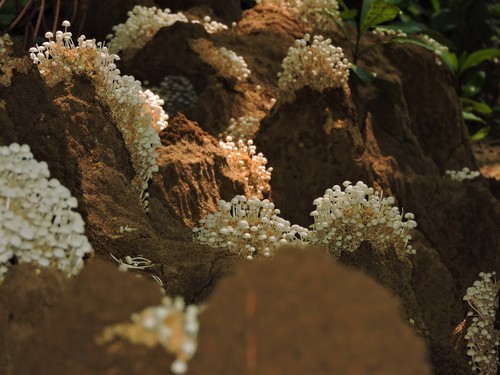
iNaturalist · cc-by-nc
(c) Mahathi Narayanaswamy, some rights reserved (CC BY-NC)
(c) Mahathi Narayanaswamy, some rights reserved (CC BY-NC)
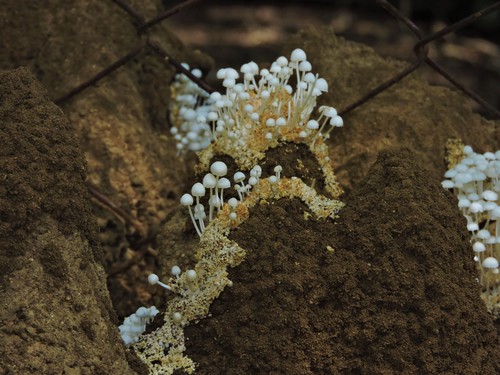
iNaturalist · cc-by-nc
(c) Mahathi Narayanaswamy, some rights reserved (CC BY-NC)
(c) Mahathi Narayanaswamy, some rights reserved (CC BY-NC)
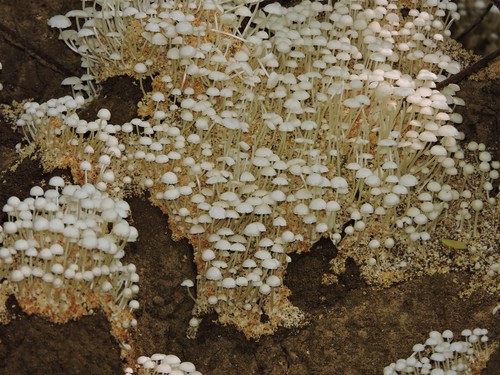
iNaturalist · cc-by-nc
(c) Mahathi Narayanaswamy, some rights reserved (CC BY-NC)
(c) Mahathi Narayanaswamy, some rights reserved (CC BY-NC)
What to Eat
Edible parts: Mushroom, Fungus
The mushroom fruiting body is edible.
Where to Find It
It is a tropical plant.
Africa, Asia, India, Uganda,
Countries: United Arab Emirates, Afghanistan, Armenia, Angola, Azerbaijan, Bangladesh, Burkina Faso, Bahrain, Burundi, Benin, Brunei, Bhutan, Botswana, Congo (DRC), Central African Republic, Congo (Republic), Cote d'Ivoire, Cameroon, China, Cape Verde, Djibouti, Algeria, Egypt, Eritrea, Ethiopia, Gabon, Georgia, Ghana, Gambia, Guinea, Equatorial Guinea, Guinea-Bissau, Indonesia, Israel, India, Iraq, Iran, Jordan, Japan, Kenya, Kyrgyzstan, Cambodia, Comoros, North Korea, South Korea, Kuwait, Kazakhstan, Laos, Lebanon, Sri Lanka, Liberia, Lesotho, Libya, Morocco, Madagascar, Mali, Myanmar, Mongolia, Mauritania, Mauritius, Maldives, Malawi, Malaysia, Mozambique, Namibia, Niger, Nigeria, Nepal, Oman, Philippines, Pakistan, Qatar, Rwanda, Saudi Arabia, Seychelles, Sudan, Singapore, Sierra Leone, Senegal, Somalia, South Sudan, Sao Tome & Principe, Syria, Eswatini, Chad, Togo, Thailand, Tajikistan, Timor-Leste, Turkmenistan, Tunisia, Turkey, Taiwan, Tanzania, Uganda, Uzbekistan, Vietnam, Yemen, South Africa, Zambia, Zimbabwe
How to Identify
A tropical mushroom in the family Pluteaceae, fruiting as a fungal body.
Names & Synonyms
Termitocytes microcarpus
References (2)
- Boa, E. R., Wild edible fungi and their importance to people. FAO Non Wood Forest Products Booklet 17
- Engola, A. P. O., et al, 2007, Ecology of Edible Indigenous Mushrooms of the Lake Victoria Basin (Uganda). Research Journal of Biological Sciences 2(1): 62-68


