Berberis pruinosa
Franch.

iNaturalist · cc-by
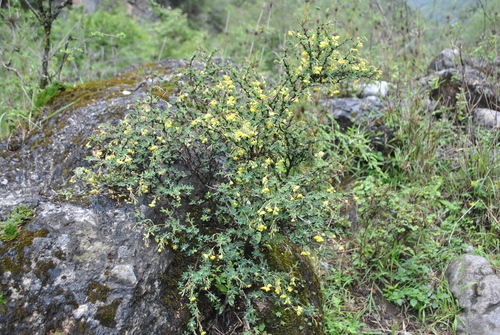
(c) Михаил Орлов, some rights reserved (CC BY), uploaded by Михаил Орлов
(c) Михаил Орлов, some rights reserved (CC BY), uploaded by Михаил Орлов
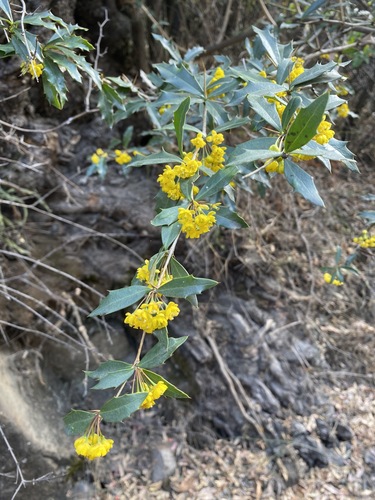
iNaturalist · cc-by-nc
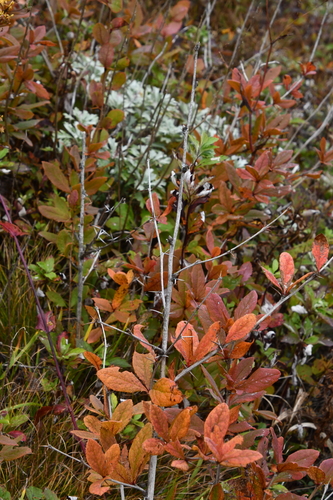
(c) Sheng-Yuan Qin, some rights reserved (CC BY-NC)
(c) Sheng-Yuan Qin, some rights reserved (CC BY-NC)

iNaturalist · cc-by-nc
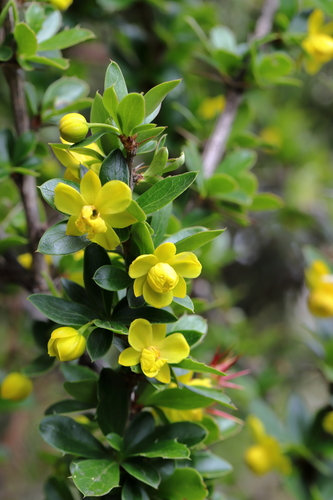
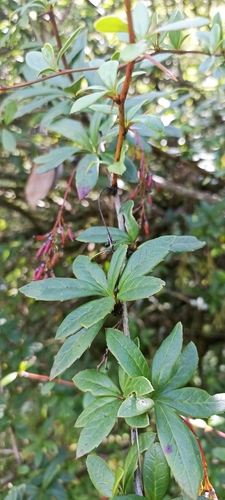
(c) 通通, some rights reserved (CC BY-NC)
(c) 通通, some rights reserved (CC BY-NC)
What to Eat
Edible parts: Stems, Leaves, Fruit, Flower
The young stems, leaves, and fruit are eaten fresh.
Where to Find It
It is a subtropical plant. It grows on the edges of forests between 1,800-4,000 m above sea level. It grows in wetlands. It grows in Sichuan and Yunnan in China.
Asia, China, Himalayas, Tibet,
Countries: United Arab Emirates, Afghanistan, Armenia, Azerbaijan, Bangladesh, Bahrain, Brunei, Bhutan, China, Georgia, Indonesia, Israel, India, Iraq, Iran, Jordan, Japan, Kyrgyzstan, Cambodia, North Korea, South Korea, Kuwait, Kazakhstan, Laos, Lebanon, Sri Lanka, Myanmar, Mongolia, Maldives, Malaysia, Nepal, Oman, Philippines, Pakistan, Qatar, Saudi Arabia, Singapore, Syria, Thailand, Tajikistan, Timor-Leste, Turkmenistan, Turkey, Taiwan, Uzbekistan, Vietnam, Yemen
How to Identify
A shrub. It grows 1-2 m tall. It keeps its leaves throughout the year. It has spines. The leaves are 2-6 cm long by 103 cm wide. The flowers are in groups of 10-20. The fruit are oval and 6-7 mm long by 5-5 mm wide.
Production
In Yunnan the plant is harvested from May to September.
Names & Synonyms
Qiesi
References (3)
- Ju, Y., et al, 2013, Eating from the wild: diversity of wild edible plants used by Tibetans in Shangri-la region, Yunnan, China, Journal of Ethnobiology and Ethno medicine 9:28
- Zhang, L. et al, 2013, An Ethnobotanical Study of Traditional Edible Plants Used by Naxi People in Northwestern Yunnan, China. - A Case Study in Wenhai Village. Plant Diversity and Resources. p 484
- Zhang, L., et al, 2016, Ethnobotanical study of traditional edible plants used by the Naxi people during droughts. Journal of Ethnobiology and Ethnomedicine. 12:39