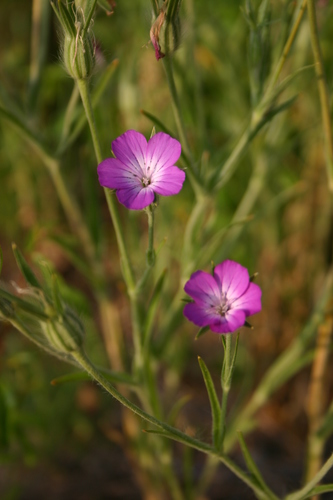
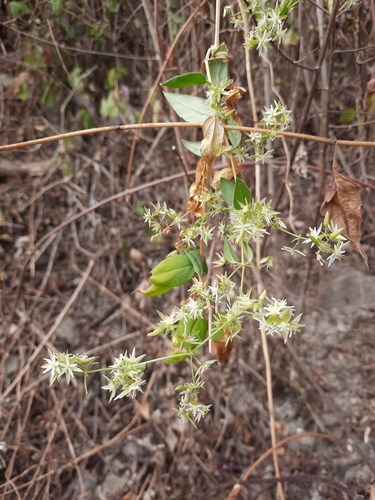
Lychnis senno
Siebold & Zucc.
CaryophyllaceaeLeaves
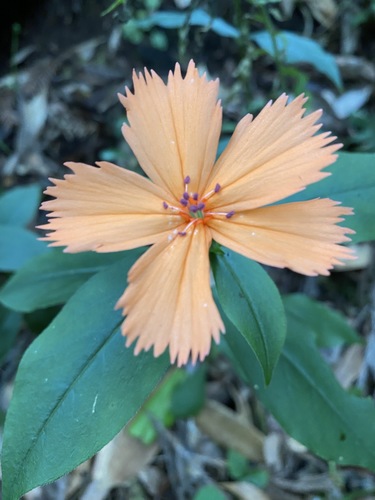
iNaturalist · cc-by-nc
(c) llareta, some rights reserved (CC BY-NC)
(c) llareta, some rights reserved (CC BY-NC)
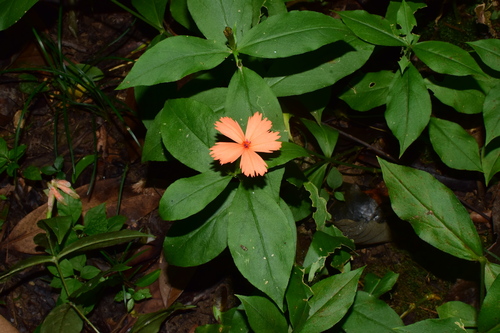
iNaturalist · cc-by-nc
(c) 江国彬, some rights reserved (CC BY-NC)
(c) 江国彬, some rights reserved (CC BY-NC)
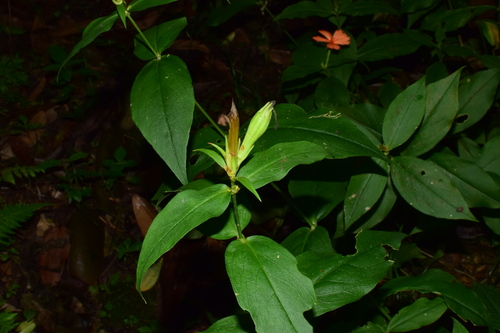
iNaturalist · cc-by-nc
(c) 江国彬, some rights reserved (CC BY-NC)
(c) 江国彬, some rights reserved (CC BY-NC)
What to Eat
Edible parts: Leaves
The leaves are eaten.
Where to Find It
It is a temperate plant. It grows between 100-2,000 m above sea level. In Sichuan and Yunnan.
Asia, China, Japan,
Countries: United Arab Emirates, Afghanistan, Armenia, Azerbaijan, Bangladesh, Bahrain, Brunei, Bhutan, China, Georgia, Indonesia, Israel, India, Iraq, Iran, Jordan, Japan, Kyrgyzstan, Cambodia, North Korea, South Korea, Kuwait, Kazakhstan, Laos, Lebanon, Sri Lanka, Myanmar, Mongolia, Maldives, Malaysia, Nepal, Oman, Philippines, Pakistan, Qatar, Saudi Arabia, Singapore, Syria, Thailand, Tajikistan, Timor-Leste, Turkmenistan, Turkey, Taiwan, Uzbekistan, Vietnam, Yemen
How to Identify
A herb. It keeps growing from year to year. It grows up to 1 m tall. The leaves are narrowly sword shaped and 8-12 cm long by 2-3 cm wide.
Other Information
It is cultivated.
Names & Synonyms
Honghuacai
Lychnis bungeana (D. Don) Fisch. ex Lindl.Silene bungeana (D. Don) H. Ohashi & H. Nakai
References (2)
- Flora of China @ efloras.org Volume 6
- Kang, Y., et al, 2012, Wild food plants and wild edible fungi in two valleys on the Qinling Mountains (Shaanxi, central China) Journal of Ethnobiology and Ethnomedicine; 9:26