Cerasus cerasoides
(Buch.-Ham. ex D. Don) S. Y. Sokolov
RosaceaeFruit
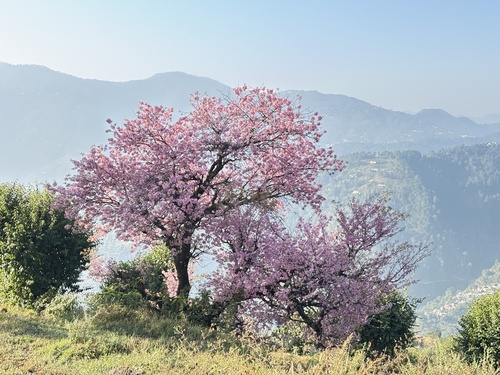
iNaturalist · cc-by-nc
(c) Anil Kumar Verma, some rights reserved (CC BY-NC)
(c) Anil Kumar Verma, some rights reserved (CC BY-NC)
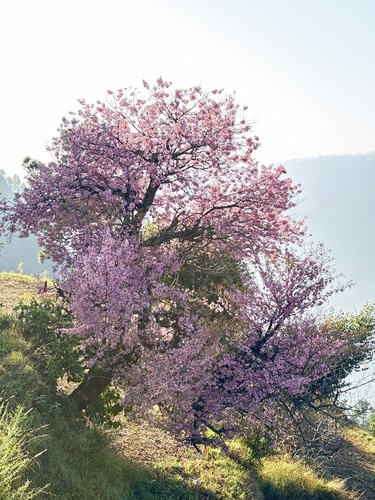
iNaturalist · cc-by-nc
(c) Anil Kumar Verma, some rights reserved (CC BY-NC)
(c) Anil Kumar Verma, some rights reserved (CC BY-NC)
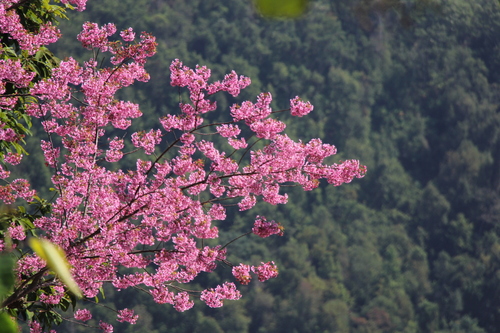
iNaturalist · cc-by-nc
(c) Ryan E. Gray, some rights reserved (CC BY-NC)
(c) Ryan E. Gray, some rights reserved (CC BY-NC)
What to Eat
Edible parts: Fruit
The fruit are eaten raw.
Where to Find It
It is a temperate plant. It grows in Yunnan in China.
Asia, China,
Countries: United Arab Emirates, Afghanistan, Armenia, Azerbaijan, Bangladesh, Bahrain, Brunei, Bhutan, China, Georgia, Indonesia, Israel, India, Iraq, Iran, Jordan, Japan, Kyrgyzstan, Cambodia, North Korea, South Korea, Kuwait, Kazakhstan, Laos, Lebanon, Sri Lanka, Myanmar, Mongolia, Maldives, Malaysia, Nepal, Oman, Philippines, Pakistan, Qatar, Saudi Arabia, Singapore, Syria, Thailand, Tajikistan, Timor-Leste, Turkmenistan, Turkey, Taiwan, Uzbekistan, Vietnam, Yemen
How to Identify
A temperate tree in the Rosaceae family, native to Yunnan in China. The fruit are eaten raw and represent the primary edible portion of this species.
References (2)
- Geng, Y., et al, 2016, Traditional knowledge and its transmission of wild edibles used by the Naxi in Baidi Village, northwest Yunnan province. Journal of Ethnobiology and Ethnomedicine. 12:10
- Ghorbani, A., et al, 2012, A comparison of the wild food plant use knowledge of ethnic minorities in Naban River Watershed Nature Reserve, Yunnan, SW China. Journal of Ethnobiology and Ethnomedicine; 8:17
More from Rosaceae

Acaena anserinifolia
Bidgee widgee, Buzzy, New Zealand Bur
No photo
Acaenia anserinifolia - (J.R.Forst.&G.Forst.)Druce.
Pirri-Pirri Bur

Adenostoma sparsifolium
Red shanks, Ribbonwood

Agrimonia eupatoria
Agrimony, Salt and Pepper

Agrimonia odorata
Adour agrimony, Liver-wort

Agrimonia pilosa
Indian chestnut, Agrimony