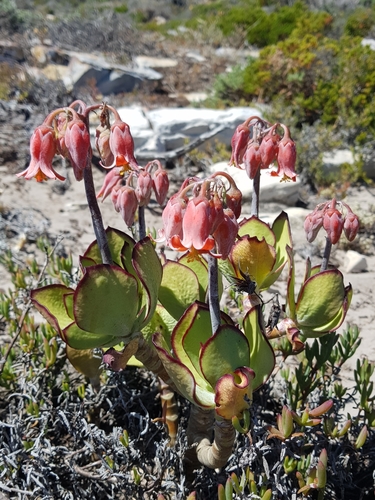
Sedum maximum
(L.) Suter
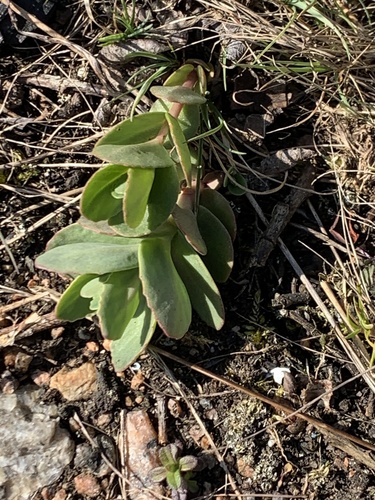
iNaturalist · cc-by-nc
(c) vesper, some rights reserved (CC BY-NC)
(c) vesper, some rights reserved (CC BY-NC)
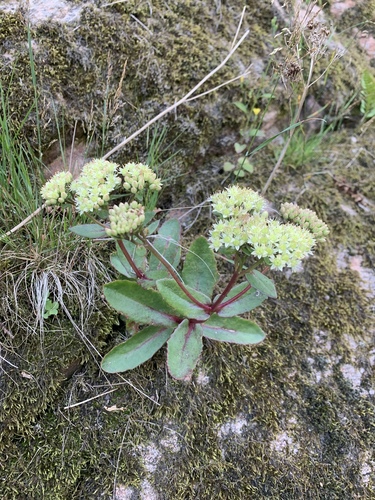
iNaturalist · cc-by-nc
(c) vesper, some rights reserved (CC BY-NC)
(c) vesper, some rights reserved (CC BY-NC)
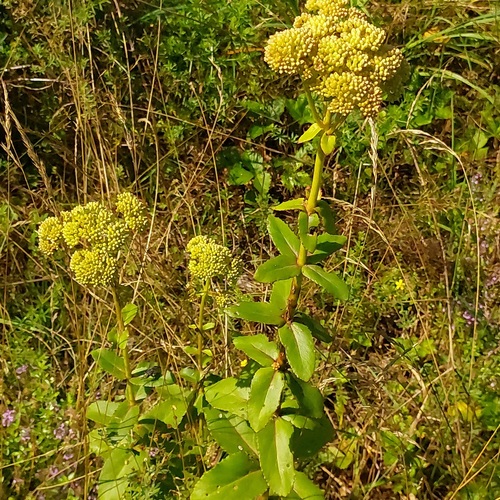
iNaturalist · cc-by-nc
(c) Alexander Baransky, some rights reserved (CC BY-NC)
(c) Alexander Baransky, some rights reserved (CC BY-NC)
What to Eat
Edible parts: Tuber, Root, Leaves, Shoots
The side tubers, leaves, and young shoots are cooked and eaten in soups and salads.
Where to Find It
It is a temperate climate plant.
Czech Republic, Estonia, Europe, Norway, Scandinavia, Slovenia,
Countries: Andorra, Albania, Austria, Bosnia & Herzegovina, Belgium, Bulgaria, Belarus, Switzerland, Cyprus, Czechia, Germany, Denmark, Estonia, Spain, Finland, France, United Kingdom, Greece, Croatia, Hungary, Ireland, Iceland, Italy, Liechtenstein, Lithuania, Luxembourg, Latvia, Monaco, Moldova, Montenegro, North Macedonia, Malta, Netherlands, Norway, Poland, Portugal, Romania, Serbia, Russia, Sweden, Slovenia, Slovakia, San Marino, Ukraine
How to Identify
A succulent herb in the stonecrop family (Crassulaceae) found in temperate climates, with tuberous roots and fleshy leaves and shoots.
Names & Synonyms
Hermelika, Rozehodnik velky, Smorbukk, Tuhkkartul
Anacampseros alpestris Jord. & Fourr.Hylotelephium maximum (L.) Holuband several others
References (5)
- Girard, N. J., 2020, Sustainable Foraging of Wild Edible Plants in Norway. A Biocultural Approach. M. Sc. thesis Norwegian University. p 130 (As Hylotelephium maximum)
- Hammer, K. & Spahillari, M., 1999, Crops of European origin. in Report of a networking group on minor crops. IPGRI p 46
- http://www.botanic-gardens-ljubljana.com/en/plants
- Kalle, R. & Soukand, R., 2012, Historical ethnobotanical review of wild edible plants of Estonia (1770s-1960s) Acta Societatis Botanicorum Poloniae 81(4):271-281
- Simkova, K. et al, 2014, Ethnobotanical review of wild edible plants used in the Czech Republic. Journal of Applied Botany and Food Quality 88, 49-67 (As Hylotelephium maximum)