Magnolia mediocris
(Dandy) Figlar

MBG
What to Eat
Edible parts: Seed - spice
The seeds are used as a spice.
Where to Find It
It is a tropical plant. It grows up to 1,000 m above sea level.
Asia, Cambodia, China, Indochina, SE Asia, Vietnam,
How to Identify
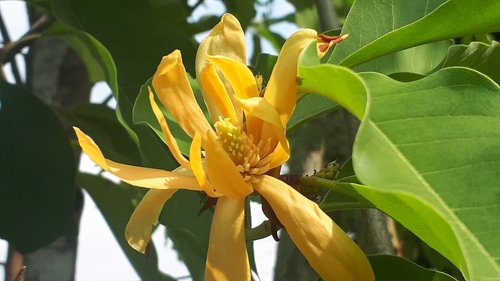
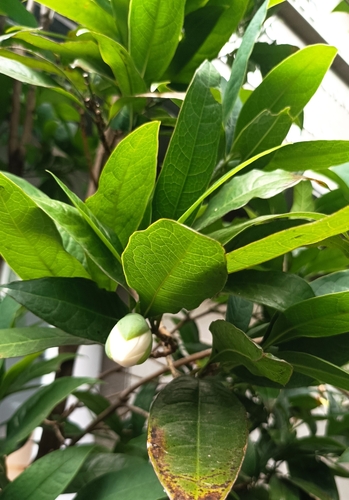
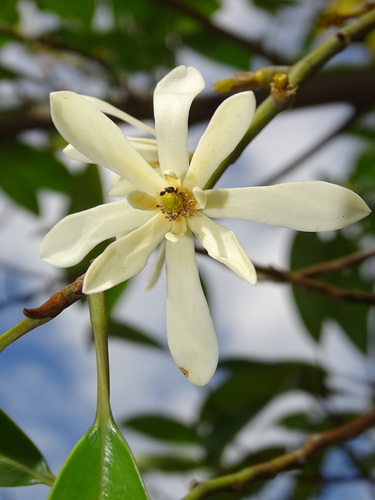
A tree. It grows 30 m tall. The trunk is 1 m across. The trunk is straight and cylinder shaped. The bark is greyish brown. Young twigs and leaves have white flattened hairs. The leaves are alternate and narrowly oval. They are 6-20 cm long by 3-8 cm wide. The flowers can be opposite the leaves, in the leaf axils of at the ends of branches. The fruit is compound with 3-7 separated follicles. These are 10 cm long. There are 3-5 seeds in each. The seeds are red when mature.
How to Grow
Requires a sunny position. A rather fast growing species. Natural regeneration is good under thin forest cover.
Medicinal Uses
The seeds are used as a medicine to treat fevers and stomach-aches.
Other Uses
The heartwood is brownish-yellow; clearly demarcated from the yellowish-beige sapwood. The wood is very hard, texture fine, easy to work. It is used for construction, boats, and making furniture[.
Names & Synonyms
Gioi tanh, Gioi xanh
References (2)
- Flora of China,
- Van Sam, H. et al, 2004, Trees of Laos and Vietnam: A Field Guide to 100 Economically or Ecologically Important Species. Blumea 29 (2004) 201-349 (As Michelia mediocris)