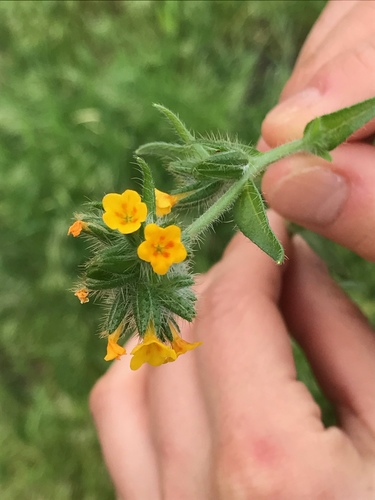
Cordia panamensis
L. Riley
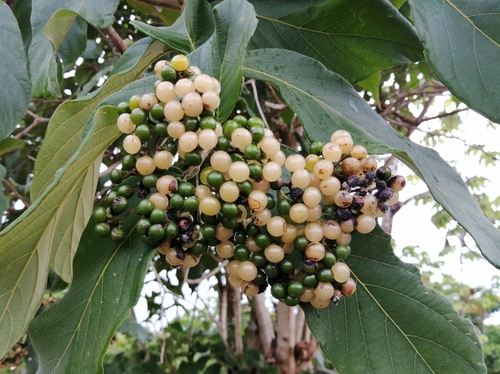
(c) edj_rivas, some rights reserved (CC BY-NC), uploaded by edj_rivas

(c) Leonardo Álvarez-Alcázar, some rights reserved (CC BY-NC), uploaded by Leonardo Álvarez-Alcázar
What to Eat
Edible parts: Fruit
The fruit are eaten raw.
Where to Find It
It is a tropical plant. It grows in dry and wet forest from sea level to 1,000 m above sea level.
Belize, Carribbean, Central America, Colombia, Costa Rica, Ecuador, El Salvador, Mexico, Nicaragua, North America, Panama, South America, Trinidad, Venezuela,
How to Identify
A small tree. It loses its leaves during the year. It grows 5-10 m tall. Male and female flowers occur on separate trees. The fruit are white and 1 cm across.
How to Grow
Plants can be grown from seeds.
Other Uses
The wood is used for fence posts and making tool handles. It is used in traditional house construction. The wood of most species in this genus is hard and, where the plants grow large enough, the wood is often harvested at least locally for use in construction etc and also for making charcoal.
Names & Synonyms
References (3)
- Fern, K., 2012, Tropical Species Database http://theferns.info/tropical/
- Kew Plants of the World onLine
- Roa, J. A. G. & Boada, D. S. G., 2018, Fundación para el Fortalecimiento de la Fruticultura y Plantas Alimenticias no Convencionales en Colombia.